Flash ignition transforms a quiet season
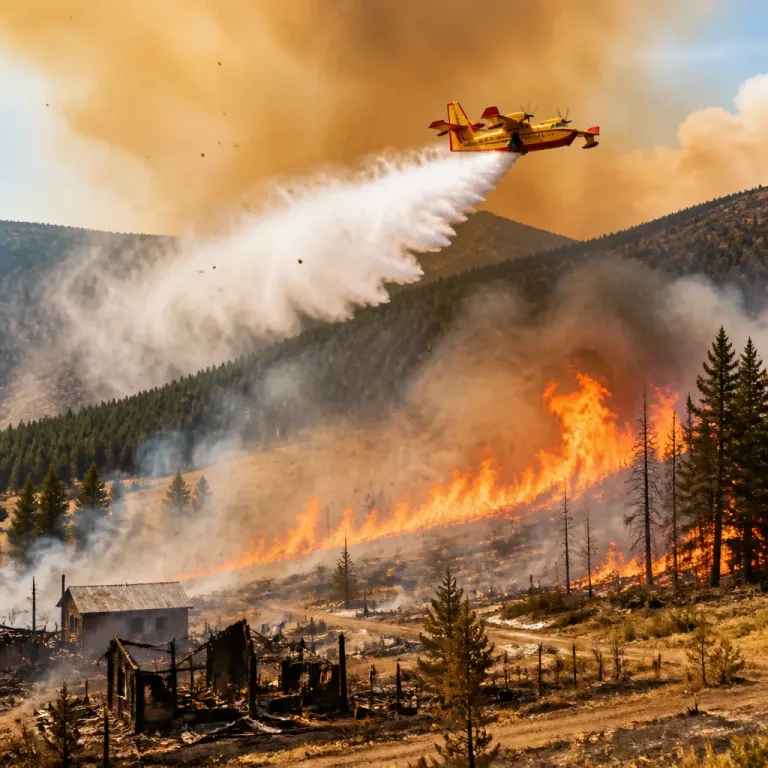
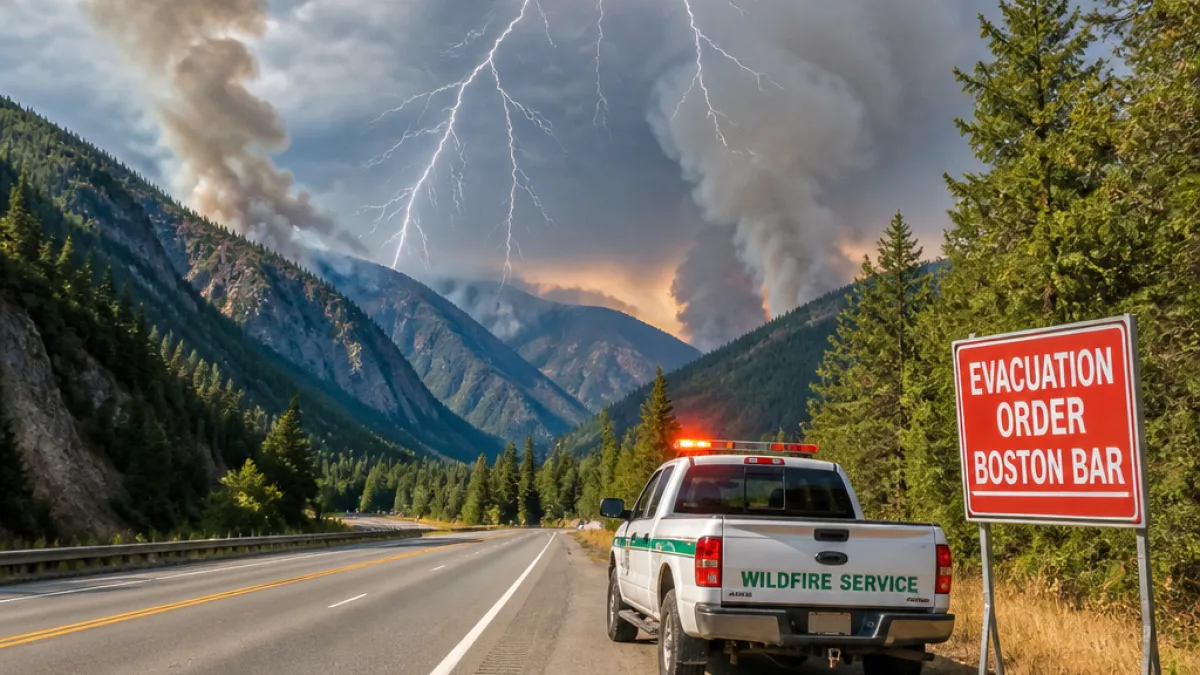
British Columbia’s wildfire season pivoted sharply this week after a wave of thunderstorms delivered roughly 4,000 lightning strikes, igniting dozens of new blazes and pushing the province’s active fire count past 100. What began Wednesday as a relatively calm stretch with about 20 fires escalated to approximately 114 by Saturday afternoon, with about 72 sparking in the previous 24 hours, according to the BC Wildfire Service.
Officials said two-thirds of active incidents were classified as out of control, with most of the new ignitions, evacuation orders and alerts concentrated across the southern Interior. The fast-changing conditions reflect the impact of dry lightning on receptive fuels after a period of warming weather.
Fraser Canyon under pressure
In the Fraser Canyon, the tiny community of Boston Bar — home to roughly 160 residents — came under an evacuation order Thursday as two significant fires grew nearby. The Brunswick Creek fire covered an estimated 40 square kilometres, while the Ainslie Creek fire had reached about 160 square kilometres by Saturday afternoon.
Some residents chose to remain despite the order. Local business owner Attila Banhegyi, who stayed to care for animals and keep two businesses afloat, described a community persisting under strain.
“It depends on the person, but the people who have stayed behind are in good spirits,” he said, adding conditions were “nice and quiet” and he could hear birds chirping.
Banhegyi said his wife and young children left ahead of the order, and he is prepared to depart on short notice. Essential services, including a restaurant and gas station, remained open, and a local motel was accommodating firefighting crews.
Provincial response ramps up
Forests Minister Ravi Parmar said the province anticipated the turn in weather earlier in the week and mobilized resources accordingly. As of Friday, more than 770 wildland firefighters were on the line, with additional crews on standby.
“Over the past 48 hours, we have seen the impact of those conditions,” the minister said in a statement Saturday. “To the communities dealing with the uncertainty and fear of an active wildfire, we are with you.”
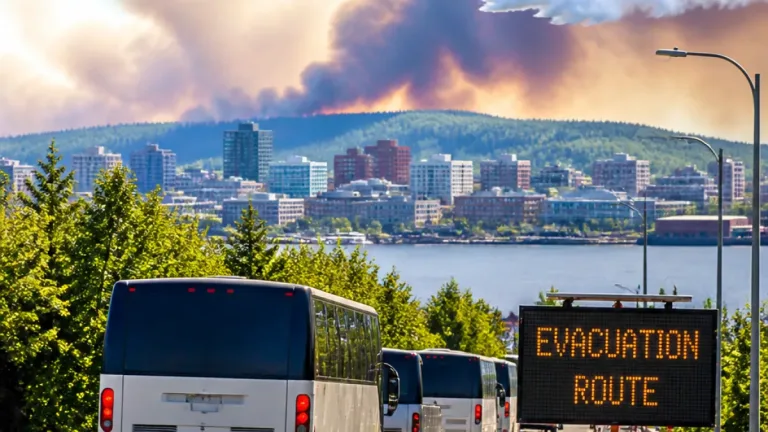
Evacuation orders covered about 575 properties across B.C. as of the most recent update. Authorities urged residents in high-risk corridors — particularly in the southern Interior and canyon communities — to be ready to act quickly if conditions change.
What has changed, at a glance
| Indicator | Latest figures |
|---|---|
| Total active wildfires | ~114 |
| New in last 24 hours | ~72 |
| Primary driver | ~4,000 lightning strikes on Wednesday |
| Control status | About two-thirds out of control |
Local impact and practical steps
With the sudden proliferation of fires, residents in affected regions can expect intermittent highway disruptions, smoky conditions and shifting air quality. In small communities like Boston Bar, the presence of firefighting crews can strain lodging and services while offering critical protection. Local businesses have remained open where safe to do so, supporting responders and evacuated residents passing through.
Authorities emphasize readiness. Households in at-risk areas should keep go-bags accessible, maintain fuel in vehicles, and monitor official channels for updated evacuation alerts and route information. People under an evacuation order should leave immediately and follow directions from local governments and First Nations authorities.
- Monitor official updates from the BC Wildfire Service and your local or regional government.
- Prepare essential documents, medications and supplies for rapid evacuation.
- Avoid non-essential travel near active fire zones to keep routes clear for responders.
Why lightning matters now
While B.C. had seen a comparatively subdued start to the season, mid-July thunderstorms delivered widespread dry lightning — strikes without substantial accompanying rain — over terrain that has been drying as temperatures rise. Such bursts can ignite multiple fires simultaneously, quickly taxing suppression resources and forcing triage decisions.
With hundreds of firefighters already deployed and more on standby, the province is bracing for additional starts as residual lightning holds emerge in coming days. Communities in the southern Interior and along canyon corridors remain on heightened alert as crews try to establish containment where terrain and weather allow.