A Florida man has been arrested in eastern North Carolina after investigators allege he demanded an extra US$5,200 to release a woman’s household goods during an interstate move, in a case authorities say mirrors a similar incident reported in Raleigh one day earlier.
Arrest at delivery site after alleged demand
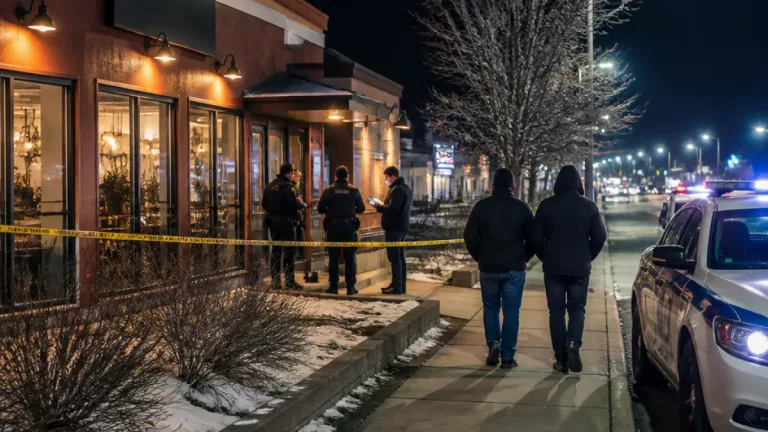
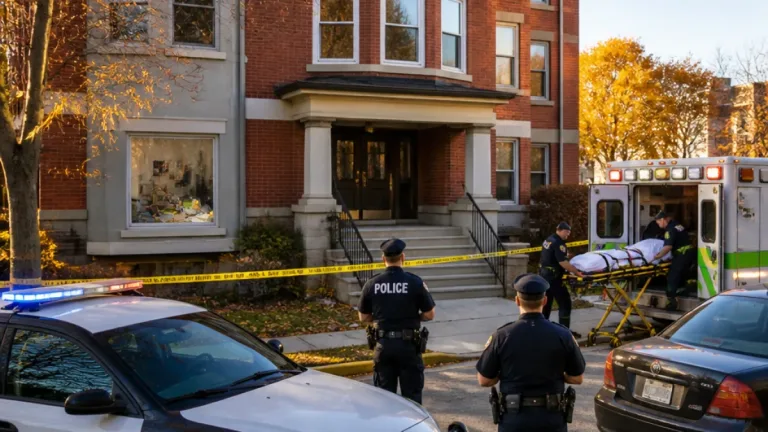
The Craven County Sheriff’s Office said its Criminal Investigation Bureau was present at the customer’s residence on July 16, 2026, when the suspect arrived. Deputies took the man into custody at the scene after the victim reported the moving crew would not unload her furniture unless she paid the additional fee.
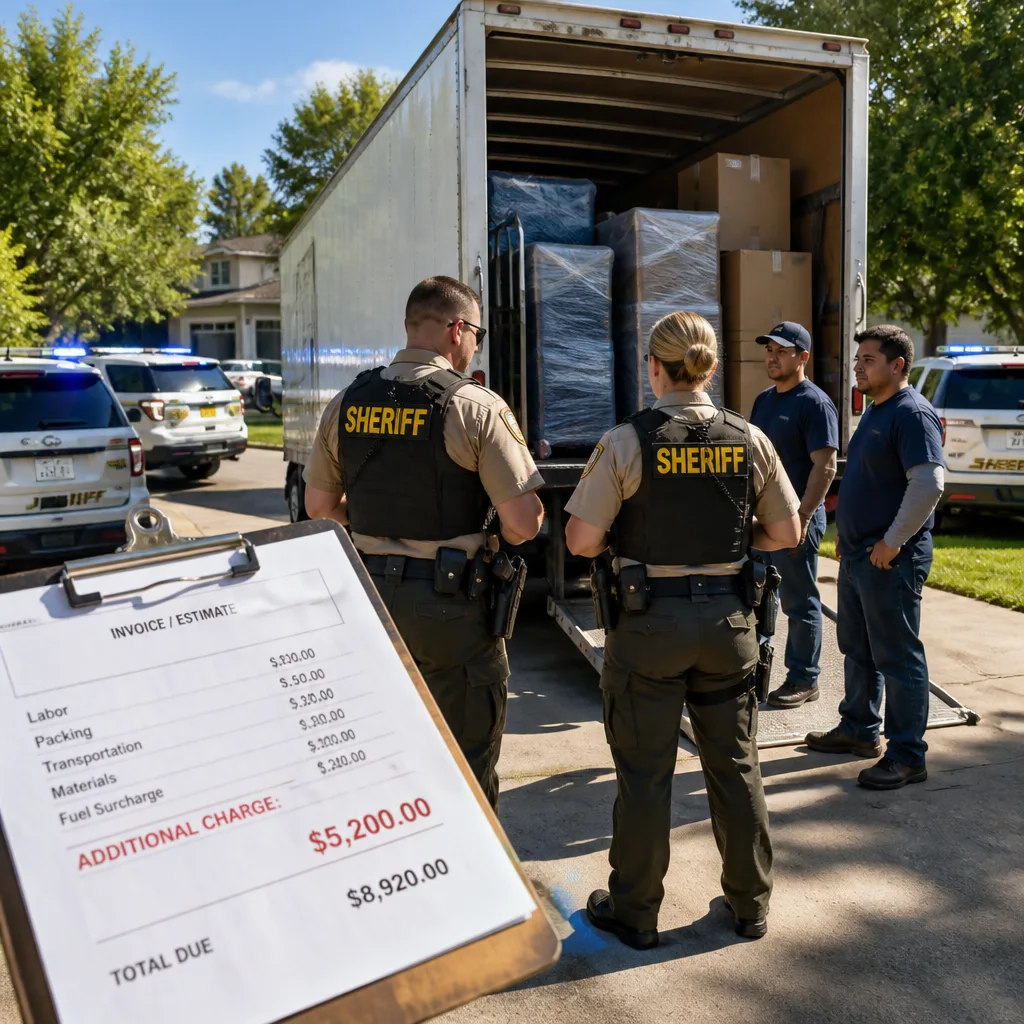
According to a news release, the woman had hired a company to transport her belongings to Craven County. When the delivery was made, investigators allege the company refused to unload without the added payment. Court filings cited by officials indicate the victim’s property was valued at about US$20,000. The sheriff’s office described the incident as an extortion attempt rather than a routine billing dispute.
“The victim stated they hired a company to move their furniture to Craven County, and the company was withholding their property until they paid additional money to have the furniture unloaded,” the sheriff’s office said.
Suspect charged; bond set and later posted
Authorities identified the suspect as Moshe Yzhari, 70, of Miami, Fla. He is charged with felony extortion, felony conspiracy to obtain property by false pretence, felony larceny, and felony exploitation of an elderly or disabled person, the sheriff’s office said. Investigators also linked Yzhari to a similar incident reported in Raleigh, N.C., on July 15.
Officials said both matters originated from Ohio, suggesting the bookings that led to the deliveries were arranged beyond North Carolina. A magistrate set bond at US$250,000. Jail records reviewed by the sheriff’s office indicate Yzhari has since been released. The presumption of innocence applies, and none of the allegations has been tested in court.
Parallel report in Raleigh; investigators see similarities
The sheriff’s office said information developed during the Craven County investigation connected the same individual to a comparable report in the state capital the previous day. Authorities did not release further details about the Raleigh case but described the conduct as a “similar scam.”
In both matters, officials allege a demand for unexpected payment at the point of delivery, with the customer’s goods retained until the fee was provided. The Craven County case proceeded when the victim called law enforcement rather than pay the additional sum.
Allegations outlined by investigators
- Demand for an extra US$5,200 at the time of unloading, according to court records.
- Threat to keep the customer’s belongings, valued at about US$20,000, if the fee was not paid.
- Arrest made when the suspect arrived at the victim’s residence on July 16.
Charges and alleged conduct
| Charge | Details (as stated by officials) |
|---|---|
| Felony extortion | Alleged demand for payment to release property at delivery |
| Felony conspiracy to obtain property by false pretence | Alleged scheme surrounding the additional payment |
| Felony larceny | Linked to control of belongings valued at about US$20,000 |
| Felony exploitation of an elderly or disabled person | Charge reflects the victim’s status as described by officials |
What investigators emphasized
The sheriff’s office framed the alleged conduct as a withholding of property to secure an immediate cash payment, rather than a legitimate dispute over service charges. Officials said the booking arrangements tied to both incidents were traced to Ohio, although no additional suspects were named in the release.
Authorities did not identify the moving company involved, and no court date information was provided in the materials released publicly. The investigation into the Raleigh report remains ongoing, according to officials. Anyone facing similar demands at delivery is urged by police in such circumstances to contact local law enforcement rather than engage in on-the-spot payments when they believe a crime is occurring.