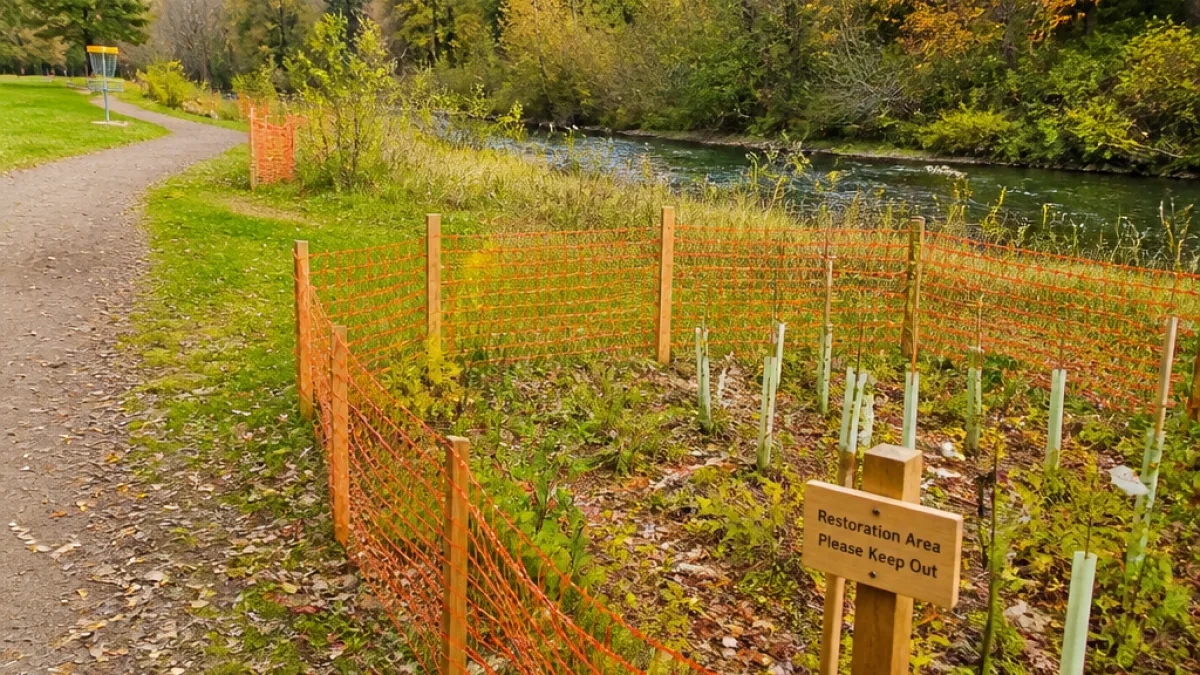
Work to restore forest habitat at Cornwall Memorial Park has begun, with parts of the park to be fenced off for several years while native plants establish, officials say.
What’s being done
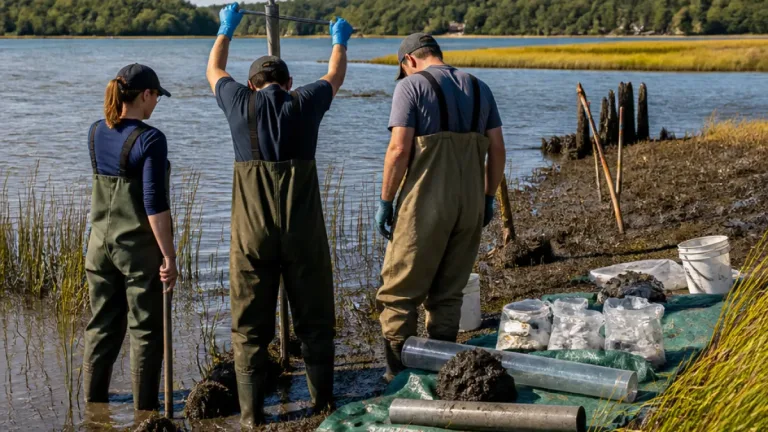
Parks and Recreation staff, volunteers and members of the Washington Conservation Corps have been installing native trees and shrubs since February. So far, 162 native trees and shrubs have been planted in the park’s southernmost zone. Park managers plan to continue plantings in the fall and winter seasons over the next three to five years.
- Priority forest-restoration areas will be fenced to protect new plantings.
- Limited access to fenced areas will be granted for disc-golf disc retrieval.
- Trails and park infrastructure are intended to remain open during restoration work.
Why the work is needed
Officials identified compacted soil and the loss of native plants and trees as threats to the park’s environmental health. The restoration aims to improve ecological functions, with stated benefits including:
| Intended benefit | Expected effect |
|---|---|
| Temperature regulation | Improved shading and microclimate control |
| Flooding and erosion mitigation | Greater soil stability and runoff absorption |
| Support for salmon populations | Enhanced riparian habitat for fish travelling through Squalicum Creek |
"Plantings will continue in fall and winter planting seasons for the next 3 to 5 years with priority forest restoration areas being fenced off to the public."
Access and recreation
Parks staff have said the fencing is intended to protect young vegetation while allowing the wider park to be used. Trails and other park infrastructure will remain open, and people who play disc golf will be allowed limited access to fenced areas to retrieve discs. The staged planting schedule is intended to build canopy and understory in phases to rehabilitate compacted soils and replace lost native plant communities.
Timeline and outlook
Work began with plantings this year and will continue through seasonal planting windows. The multi-year horizon reflects the time needed for trees and shrubs to become established and for soil conditions to improve. Park users should expect some fenced-off zones for the duration of the restoration, while much of the park remains accessible.
The project underscores a growing emphasis on active management of urban and suburban green spaces to address erosion, habitat loss and climate-related stresses. Park authorities say the measures will help protect natural systems linked to Squalicum Creek and improve long-term resilience of the park.