Rising cases prompt renewed concern about Regina's elm canopy
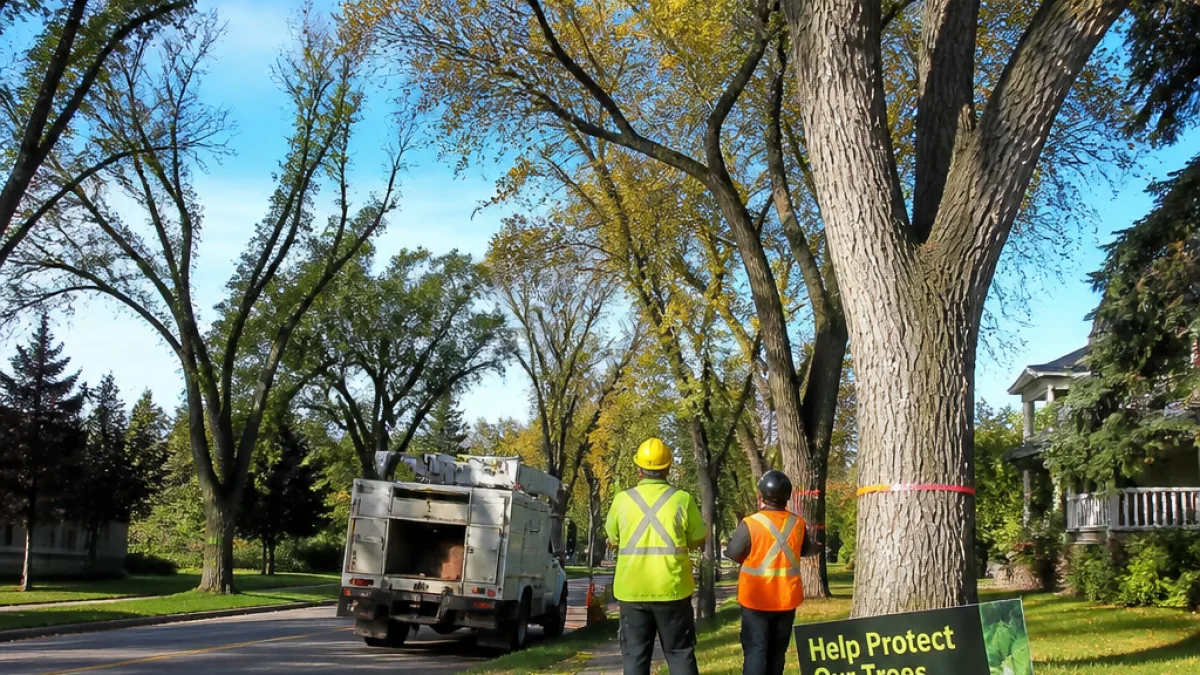
Cases of Dutch elm disease are increasing in Regina, and city officials expect the trend to continue, according to recent reporting. The development, while preliminary in detail, signals potential stress for a species that for decades has been a defining element of many neighbourhood streetscapes.
The initial report does not provide a detailed count of infected trees or identify neighbourhoods most affected, but the indication of a rise in cases is notable because Dutch elm disease can spread rapidly where susceptible elms are common and beetle vectors or root‑graft transmission are present.
- What is at stake: Mature elm trees contribute shade, stormwater mitigation and property‑value benefits to neighbourhoods across the city.
- Potential municipal impacts: A rise in infections can increase demands on city forestry staff for monitoring, removal, disposal and replacement planning.
- Public information needs: Residents typically rely on clear guidance about identifying symptoms and reporting suspected cases to municipal crews.
Because the public report quotes city officials saying the trend is expected to continue, planning and response measures will be important in the weeks and months ahead. Without more granular data in the initial account, the scale and geographic distribution of infections remain unspecified.
"Dutch elm disease cases are climbing in Regina, and city officials expect the trend to continue."
Municipal responses to outbreaks elsewhere usually include enhanced surveillance, advisories to homeowners on identification and management, selective removals of dead or infected trees, and considerations for replanting with alternative species. The exact mix of actions taken in Regina has not been detailed in the initial reporting.
For residents, the immediate practical concerns are recognising symptoms and knowing how to report concerns. Typical signs associated with Dutch elm disease include wilting or yellowing canopy foliage that progresses rapidly; however, residents should consult official city guidance or the provincial plant health authority for diagnostic steps before arranging any removal or treatment.
Below is a brief reference to the initial reporting timeline:
| Item | Detail |
|---|---|
| Report published | July 15, 2026 |
| Source | CTV News (Mick Favel) |
As further information becomes available from city staff or provincial plant‑health officials, residents can expect more specific direction on reporting suspected cases, timelines for municipal response, and any recommended precautions for property owners. For now, the notice that cases are rising serves as an early warning for homeowners, neighbourhood associations and city services to be alert to the disease's signs and implications for Regina's urban forest.