Saskatchewan has opened a limited, two-year approval for the use of strychnine in designated rural areas as the province and neighbouring Alberta respond to mounting losses attributed to Richardson’s ground squirrels.
Approval window and conditions
The restricted-use approval permits the application of strychnine in specified rural municipalities and counties beginning July 15 and running through Sept. 1. The measure is in place for 2026 and 2027, and provincial officials say it is intended to give producers an additional tool to address damage to crops and forage caused by escalating gopher populations.
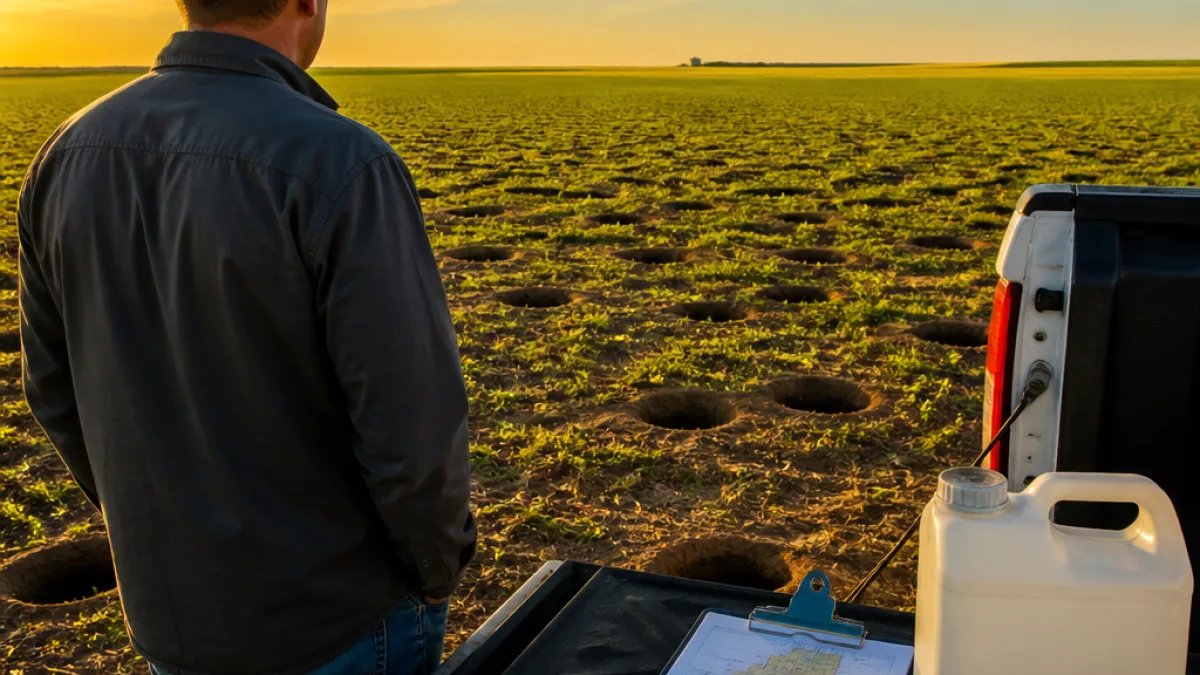
Saskatchewan Agriculture Minister David Marit said access to the product is a response to concerns from farmers and ranchers over losses and safety risks tied to extensive burrowing.
"I've seen some damage that the gophers are causing, and it's unbelievable. It really is on how quickly they can destroy a crop or a hay field,"
Marit acknowledged the approval arrived later than many producers would have preferred for this growing season but argued that having the option available is preferable to not having it at all.
Training and compliance
The approval includes specific application rules. Producers operating in designated areas must complete an approved training program to use the pesticide. Those who have not finished training must register before an Aug. 1 deadline to be eligible during this window.
- Designated application period: July 15 – Sept. 1.
- Training registration deadline for new users: Aug. 1.
- Approval duration: 2026–2027 (restricted-use in specified jurisdictions).
Provincial statistics at the end of June show roughly 1,900 Saskatchewan participants had completed the training, including about 1,530 producers and approximately 360 rural municipality administrators or staff. Alberta reported more than 1,400 participants who had completed the same program.
| Jurisdiction | Trained participants |
|---|---|
| Saskatchewan | ~1,900 |
| Alberta | >1,400 |
Long-term view and stewardship
Marit stressed that adherence to the application rules will be crucial for maintaining access to the pesticide beyond the two-year period. Farm groups in both provinces have argued for an effective option to manage rodents that reduce yields and pose hazards to livestock through burrowing.
The provincial government framed the approval as a targeted response to an identifiable agricultural threat, combined with training and oversight to mitigate risks. Producers in affected areas should contact their rural municipality or the provincial agriculture department for information on whether their RM or county is designated, how to register for training and how to comply with label and application requirements.
Enforcement and proper application will be under scrutiny as officials balance producers’ needs for effective pest control with environmental and public-safety considerations.