Evacuees placed in city hotels face new risks, leaders warn
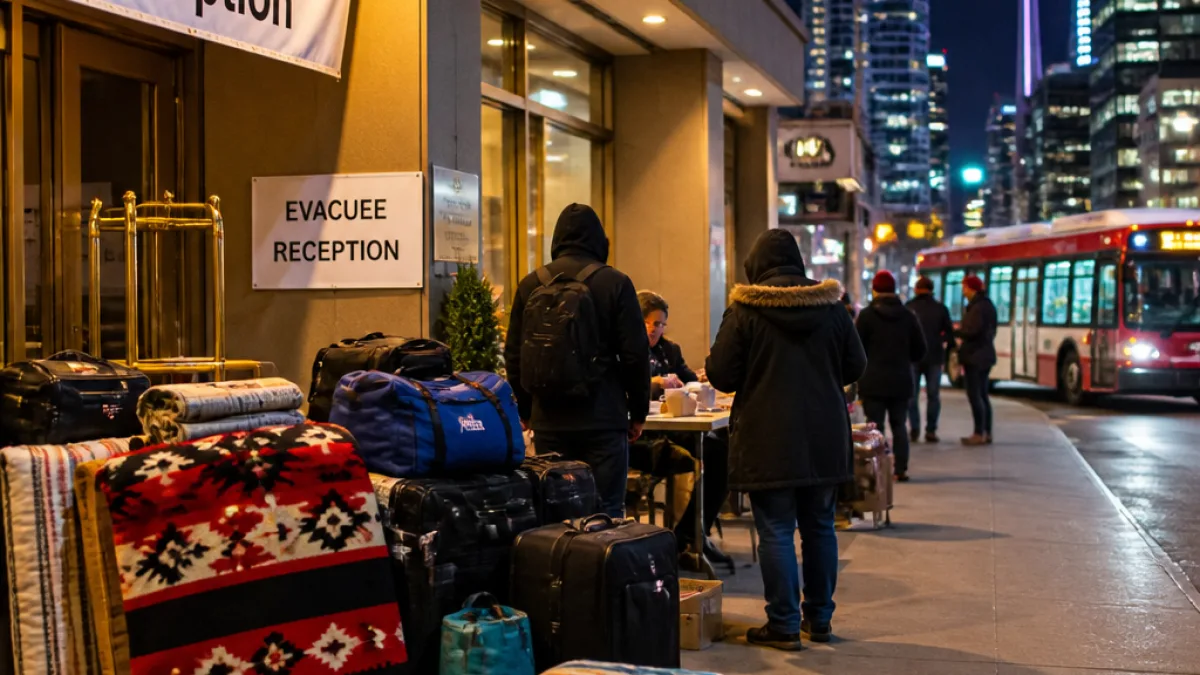
First Nation chiefs and community support workers are urging provincial and municipal authorities to address safety issues and culturally appropriate care after more than 450 people from Cat Lake First Nation and members of other remote communities were moved to Toronto because of wildfires in northern Ontario.
Leaders say decisions about where evacuees were sent were made without meaningful local control, producing what one chief described as a mounting "social cost" as residents confront unfamiliar urban settings, exposure to drugs and alcohol and concerns about exploitation.
"The social cost of not having the power to manage our own evacuations has been laid bare," said Cat Lake Chief Russell Wesley.
Community workers report sleepless nights worrying about residents' safety inside and outside hotel shelters. At one Highway 401-area hotel where Cat Lake residents are staying, staff and social workers say security guards have already had encounters with individuals they describe as "predators." A separate delegation from Neskantaga First Nation, also displaced by wildfire smoke and interruptions to food and water deliveries, reported a security incident involving a young mother who was approached by someone in a vehicle — a development that heightened concern about potential human trafficking.
- 450+ people from Cat Lake First Nation evacuated to Toronto.
- 12 of 13 communities affected by evacuations are First Nations.
- Nearly 180 wildfires were reported in northern Ontario.
Support organisations offering wraparound services stressed the need for culturally informed care as community members cope with intergenerational trauma, including the continuing impacts of the residential school system. Some evacuees are using alcohol to cope, workers said, and those behaviours can be magnified when people are removed from their home environment and supports.
| Figure | Detail |
|---|---|
| 450+ | Cat Lake residents evacuated to Toronto |
| 12 of 13 | Evacuated communities that are First Nations |
| ~180 | Active wildfires in northern Ontario |
First Nation leaders say they would have preferred keeping evacuees closer to home to preserve access to traditional practices such as fishing and hunting and to reduce disruption. They call for greater Indigenous authority over evacuation decisions and for the provincial and municipal agencies coordinating sheltering to work with Indigenous-led emergency management groups providing culturally appropriate supports.
City officials and provincial authorities have a role to play in ensuring hotel shelters provide adequate security, health supports and culturally safe programming while communities remain displaced. For Toronto residents and service providers, the situation underlines the need for coordinated responses when large numbers of evacuees arrive in the city during an emergency.