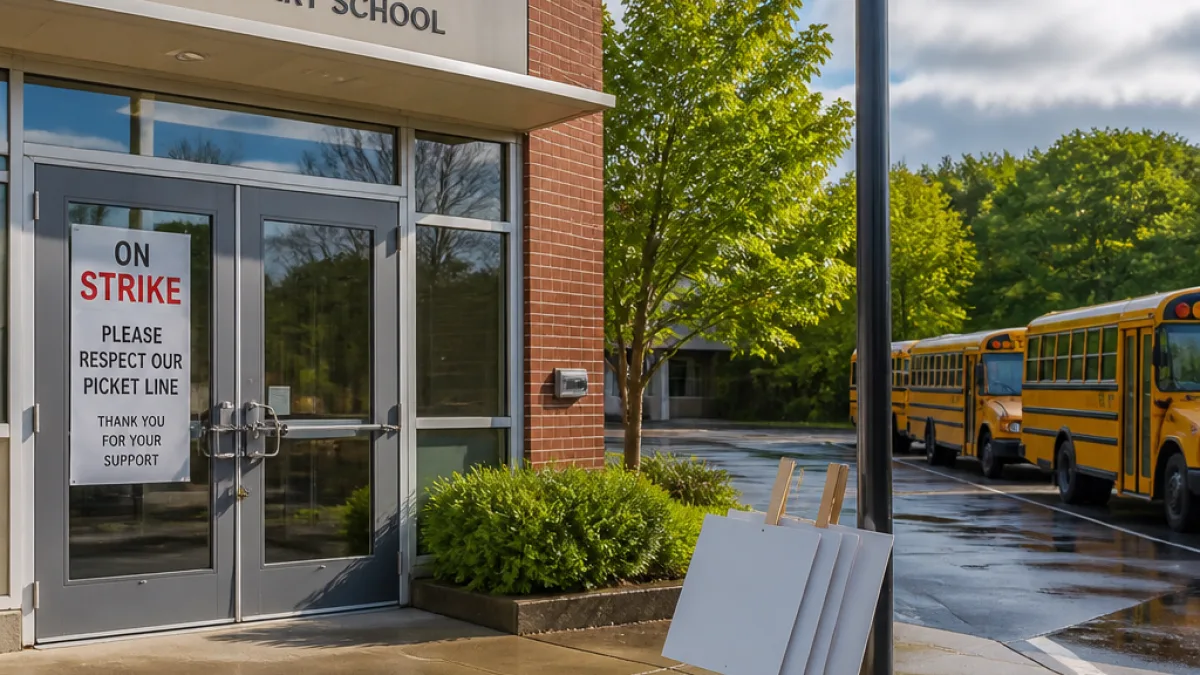
Nova Scotia's school support workers will be in a legal position to strike beginning Monday, provincial school boards and the union confirmed, although any actual walkout would need at least 48 hours' advance notice and therefore could not start until Wednesday at the earliest.
Who is involved and what they do
The Canadian Union of Public Employees represents roughly 5,500 workers who provide a range of services in the province's public schools. The bargaining unit includes:
- Educational program assistants
- Early childhood educators working in pre‑primary
- Bus drivers
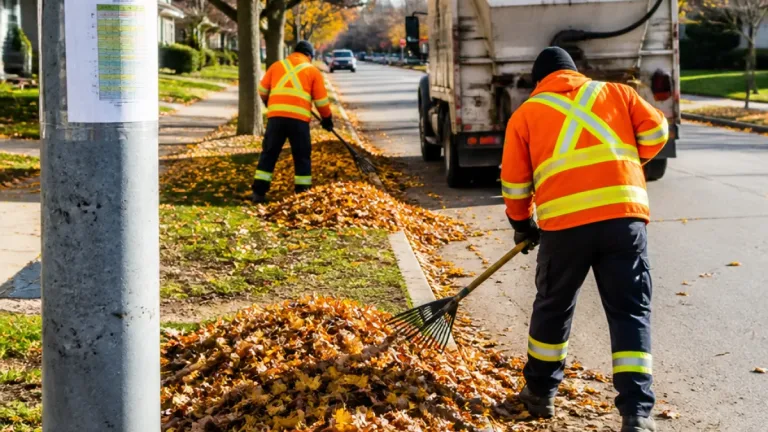
- Janitorial staff
- Library support specialists
- Black and Mi'kmaw student support workers
A conciliation meeting on Friday did not produce an agreement, and the union said there was insufficient movement from the employer side during negotiations.
"[There was] not significant movement," a union spokesperson told CBC News following the meeting.
Why the dispute matters to families and schools
Support staff perform essential functions beyond classroom instruction. They are responsible for student transportation, early childhood programming, in‑school supports for vulnerable students and maintaining school facilities. A strike would therefore affect school operations unevenly across the province.
Some regional centres for education have indicated a mixed response plan that could include a combination of in‑person, at‑home and online learning if staff withdraw their services. Others have said they would fully close school buildings and shift to remote learning models; Cape Breton‑Victoria Regional Centre for Education has already signalled it would close schools and rely on at‑home and online instruction during any work stoppage. Several pre‑primary programs could be paused entirely.
Core bargaining issues
While each local bargaining unit raised particular concerns, key provincial issues cited by the union include:
- Wages and benefits
- School safety
- Staffing levels
- Training and professional development
| Worker group | Role examples |
|---|---|
| Educational program assistants | In‑class support for students with additional needs |
| Early childhood educators | Province's pre‑primary classrooms |
| Transportation and facilities | Bus drivers, janitors |
Negotiations between the union and the provincial regional education authorities have been ongoing for several months. Public updates from both sides have been limited as talks continued, but Friday's conciliation session left the parties without a deal.
What parents and caregivers should expect
Families should prepare for potential service interruptions beginning as early as Wednesday if union locals provide the required 48‑hour strike notice. The exact impact will differ by region:
- Some districts may keep select schools open with reduced services or blended learning options.
- Others, including Cape Breton‑Victoria, have said they would close school buildings and provide at‑home or online instruction.
- Pre‑primary and certain extracurricular or wraparound programs may be suspended.
Parents and caregivers are advised to monitor communications from their child’s regional centre for education or the Conseil scolaire acadien provincial for up‑to‑date information about local plans. School boards typically publish contingency plans and frequently asked questions on their websites during labour disruptions.
As negotiations continue, both sides may return to the bargaining table or seek additional mediation. For now, families, school staff and administrators are being asked to prepare for the possibility of a short‑notice labour disruption that could affect transportation, classroom supports and early learning programs.