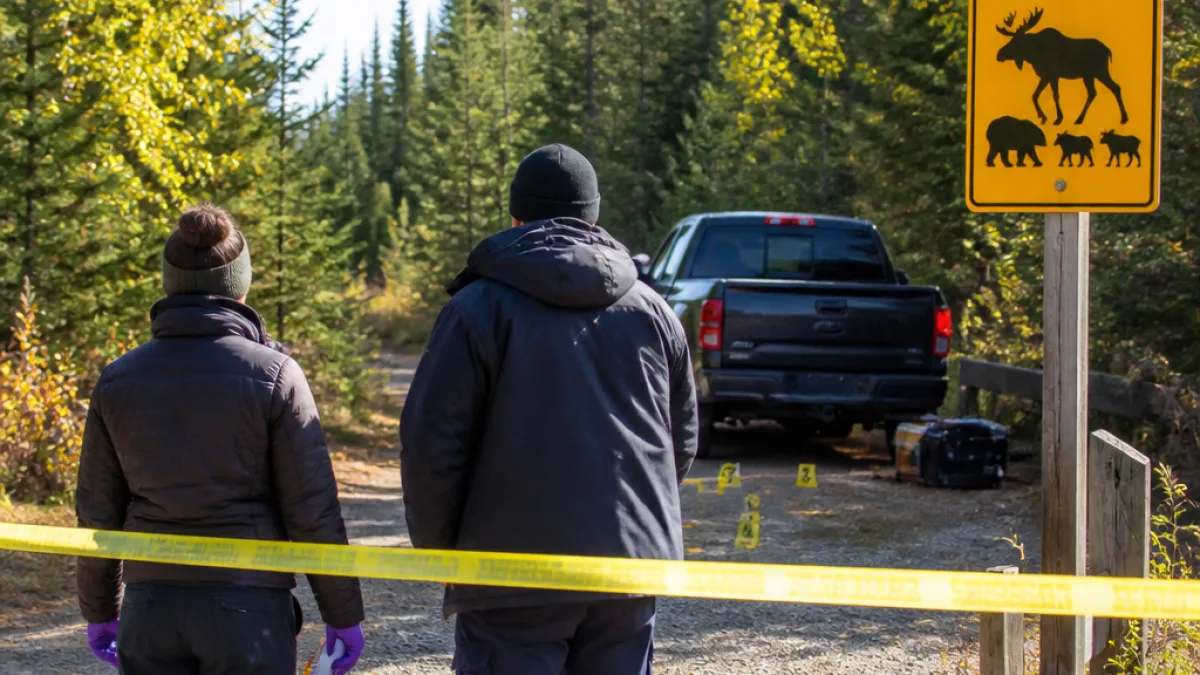
Probe launched after two fatalities in the North
Provincial authorities are examining the deaths of two people in northern Saskatchewan that are believed to have resulted from a wildlife encounter. The investigation was confirmed over the weekend, with officials indicating that work is underway to determine exactly what happened and which species may have been involved.
While few specifics have been released publicly, the incident has drawn the attention of both investigators and community leaders. A Saskatchewan reverend, speaking about the victims, described the couple as people of strong faith and generous spirit — comments that reflect a broader sense of loss in the region.
Community grief, limited details
Authorities have not provided identifying information for the victims or pinpointed the location beyond referring to the broader northern area of the province. Officials have also not yet confirmed the animal involved. As is typical in serious incidents of this nature, investigators are likely gathering physical evidence and witness accounts, if available, and coordinating with conservation officers.
In communities across the North, where residents share the landscape with bears and other large wildlife, news of the suspected attack has weighed heavily. Clergy and neighbours have spoken of the victims’ character, noting their kindness and commitment to their faith community. The province has not indicated when further information will be made public, citing the need to complete investigative steps.
What is known so far
| Element | Status |
|---|---|
| Number of deceased | Two |
| Location | Northern Saskatchewan (exact site not released) |
| Suspected cause | Wildlife encounter (species unconfirmed) |
| Investigation | Ongoing by provincial authorities |
Context: living alongside wildlife
Northern Saskatchewan’s forests and lake country are home to bears and other wildlife. Encounters typically remain at a distance, but authorities emphasize caution during peak outdoor seasons. While the precise circumstances surrounding this incident remain under review, it serves as a reminder of the importance of safety planning, especially for those travelling or camping in remote areas.
- Plan trips with awareness of local conditions and seasonal wildlife behaviour.
- Store food and attractants securely when spending time outdoors.
- Remain alert on trails and in camps, and give wildlife ample space.
Public agencies generally advise reporting aggressive wildlife and any incidents to authorities so they can assess risk and respond where needed. In serious cases, investigations typically involve site assessment, collection of biological evidence and consultation with specialists to determine cause and inform any follow-up measures.
Next steps and information for residents
As the probe continues, officials are expected to share updates when they can confirm key facts. Until then, community members in the North are focusing on supporting those close to the victims and on practical safety considerations as peak summer activity continues across the region.
Anyone with direct knowledge of the event or relevant observations in the area is encouraged to cooperate with investigators. For residents and visitors alike, staying informed about current advisories, adhering to posted signage and practising routine precautions remains the most effective way to reduce risk in the backcountry.