Homicide in nearby North York draws regional attention
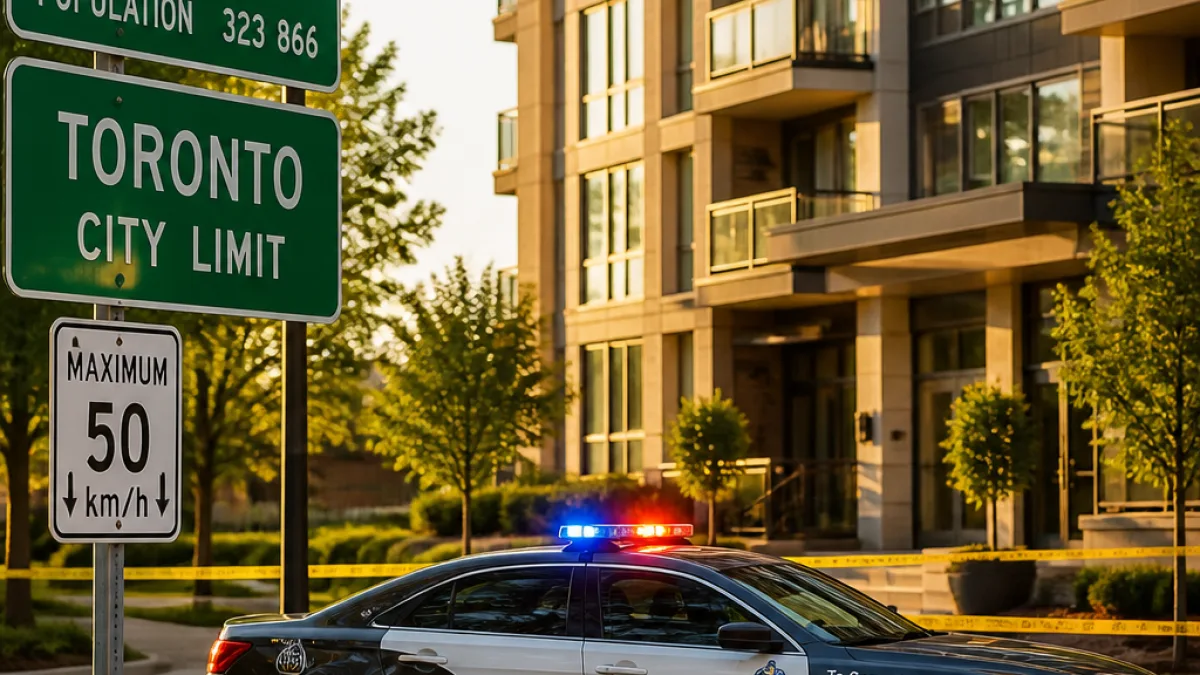
Toronto police have confirmed that the identity of a woman killed in a stabbing at a North York building has been released, and that her husband has been charged with her murder. The update, published on July 19, 2026, places the fatal incident in a community adjacent to Vaughan, where many residents commute, shop, and access services across the municipal boundary.
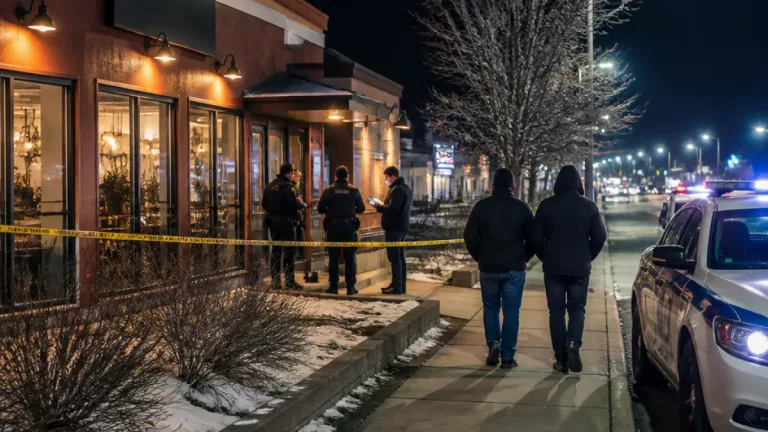
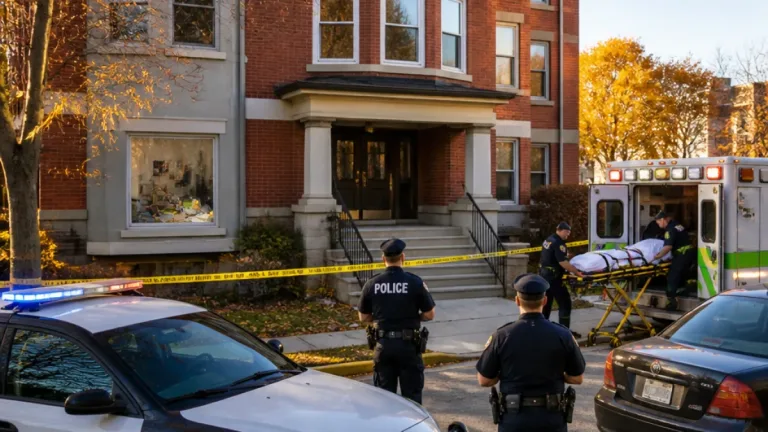
Police have released the identity of a victim who was fatally stabbed in a building in North York.
The brief police update did not provide further public details in the cited report beyond the confirmation of the victim’s identification and the husband’s charge in her death. North York borders Vaughan to the south, and major corridors linking the two communities see daily foot and vehicle traffic. The proximity means violent incidents, even when they occur outside York Region, can resonate for residents and workplaces north of Steeles Avenue.
What is known so far
According to the published account, the fatal stabbing occurred inside a building in North York. Toronto police subsequently identified the victim and laid a murder charge against her spouse. No other particulars — such as the precise address, timing of the arrest, or further investigative steps — were available in the same source summary.
| Detail | Information (as reported) |
|---|---|
| Location | Building in North York (City of Toronto) |
| Victim | Identity released by police |
| Accused | Husband of the victim |
| Charge | Murder |
| Publication date | July 19, 2026 |
Why Vaughan residents are paying attention
While the case is under Toronto police jurisdiction, Vaughan and North York share busy borders, including residential neighbourhoods and commercial hubs. For York Region commuters and families with ties on both sides of Steeles Avenue, the incident highlights the interconnected nature of public safety across municipal lines. Local schools, workplaces, and community services regularly support people who live in one city and spend substantial time in the other.
Vaughan residents should be aware that criminal investigations in adjacent jurisdictions can impact traffic, transit, and community programming when police activity intensifies near the border. Public safety messaging and victim supports can also involve cross-referrals between agencies in Toronto and York Region.
How homicide cases typically proceed
In Ontario, after a murder charge is laid, the matter moves through the courts where evidence disclosure, bail determinations, and future hearing dates are addressed. Police services continue parallel investigative steps, which may include forensic analysis and witness outreach. Identities of victims are often shared publicly to aid transparency and, when appropriate, to encourage additional information from the community.
Because this case involves family members, it underscores the sensitive nature of domestic-related violence investigations. Police and community agencies commonly remind the public that help is available to individuals facing unsafe situations at home. While the original report does not list specific resources, residents can contact 911 in emergencies and seek assistance from recognized victim services and domestic violence supports in both Toronto and York Region.
What residents can do now
- Follow official updates from Toronto police for verified information on the North York case.
- Use 911 in any immediate-risk situation; for non-urgent concerns, contact your local police non-emergency line.
- Seek confidential support from trusted community and health agencies if you or someone you know is experiencing violence at home.
As more details become available from law enforcement, Vaughan residents can expect clarifications on timelines and next steps in court. Until then, authorities typically refrain from releasing information that could compromise an active prosecution or the privacy and safety of those involved.
This neighbouring case serves as a reminder that violence in one part of the region can affect perceptions of safety and service demand across municipal borders. Continued coordination between Toronto police and York Region agencies remains central to how the wider community responds and supports those impacted by serious crime.