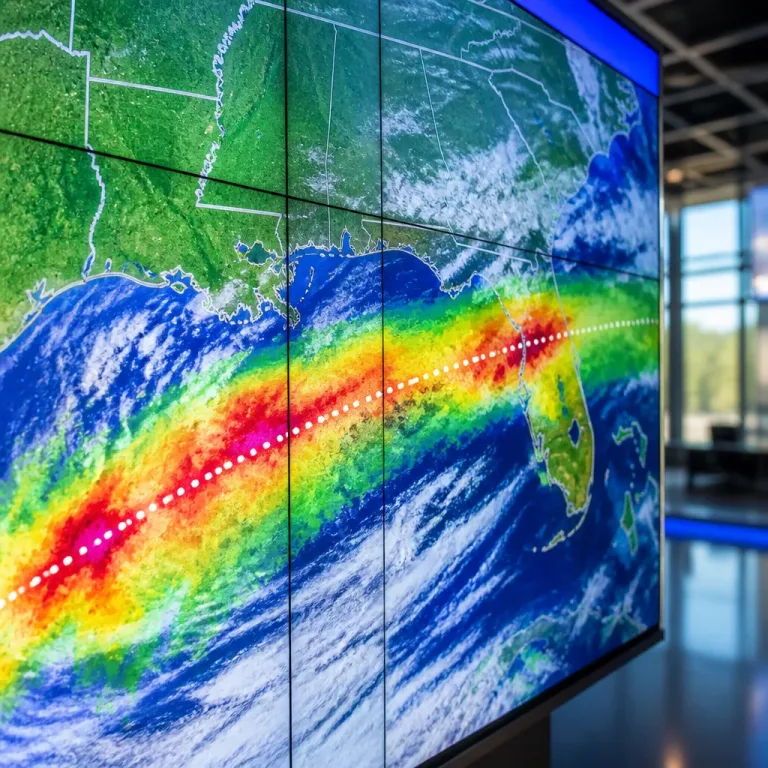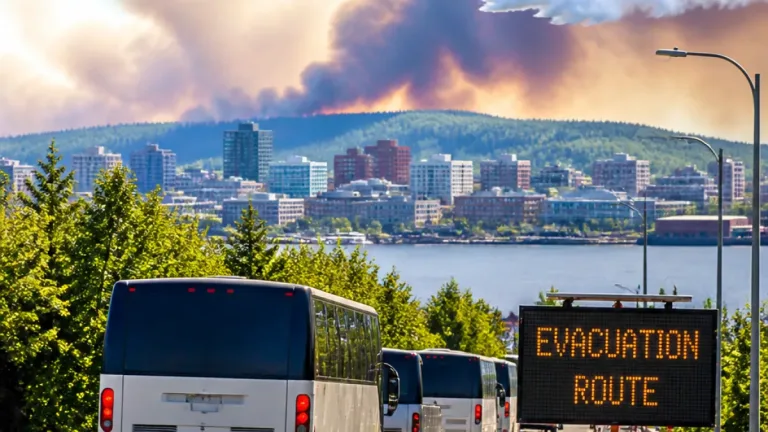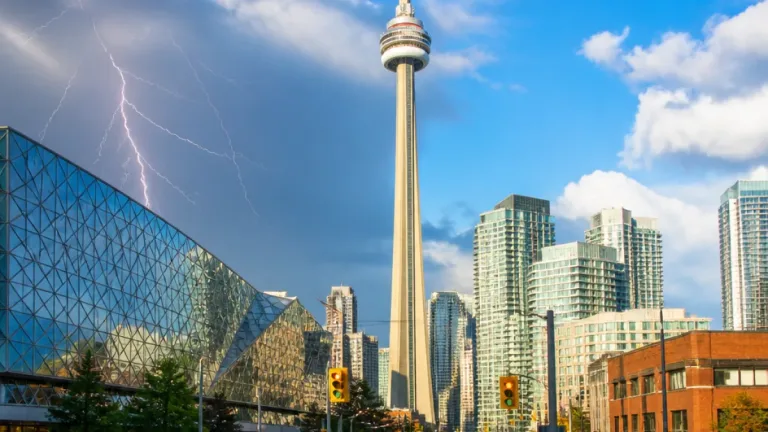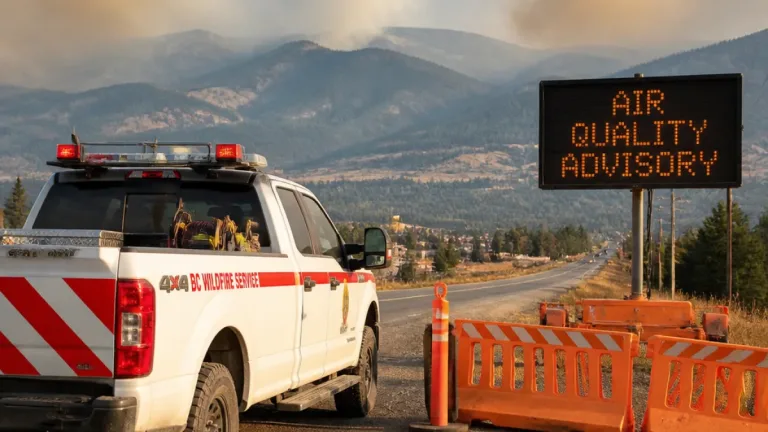
Southern Manitoba’s spring and summer have delivered a string of extreme events that are testing Winnipeg businesses and residents. Torrential rain, tornadoes, intense heat and smoky skies have struck in quick succession, forcing outdoor-facing operations to adjust schedules and, in some cases, close early.
Outdoor businesses feel the impact
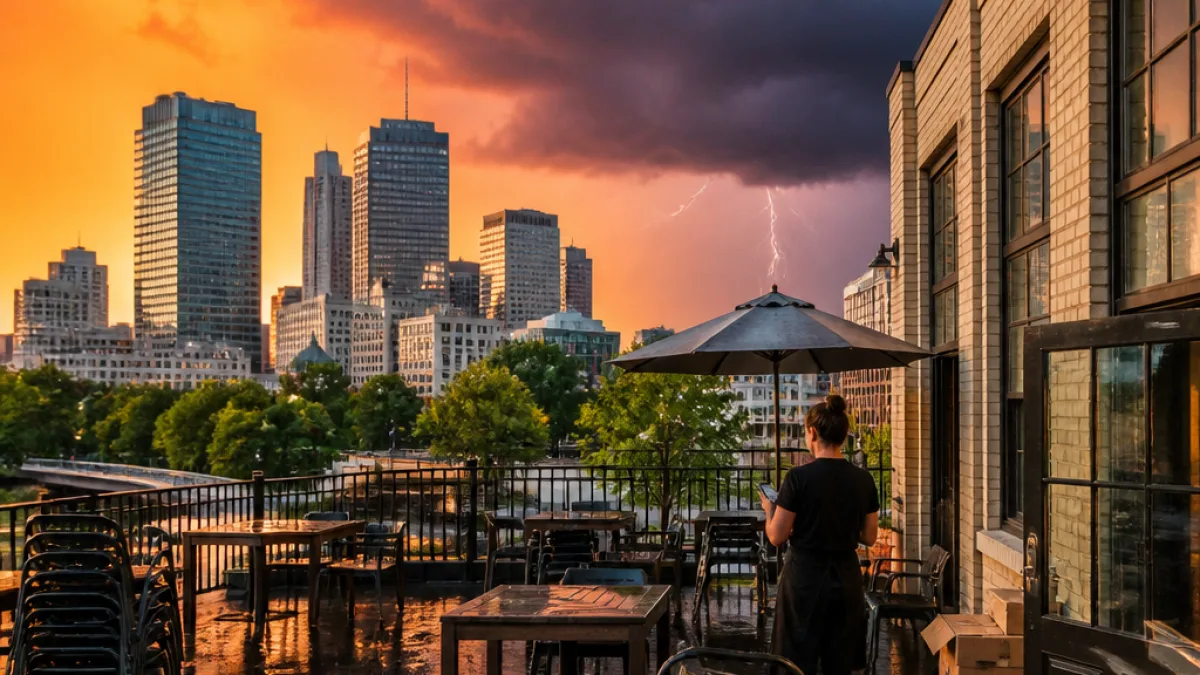
A popular summer patio beside the Granite Curling Club, known as the Beer Can, shut its doors early on a recent Thursday after a thunderstorm moved through the city. Earlier the same week, a blanket of wildfire smoke drifting in from Ontario reduced air quality and visibility.
“We’re just keeping (staff) on standby and adapting to the weather as the days come,” said supervisor Kisis Angeconeb.
Local operators say the volatility is complicating staffing, supply delivery and customer service. Businesses that rely on consistent outdoor conditions — patios, market vendors and event organizers — must now prepare for sudden changes that can force last-minute cancellations or capacity reductions.
Series of extreme events this season
Winnipeg and the surrounding region have experienced several notable episodes this year:
- Early June: a major storm producing hail, tornadoes and flash flooding in parts of southern Manitoba.
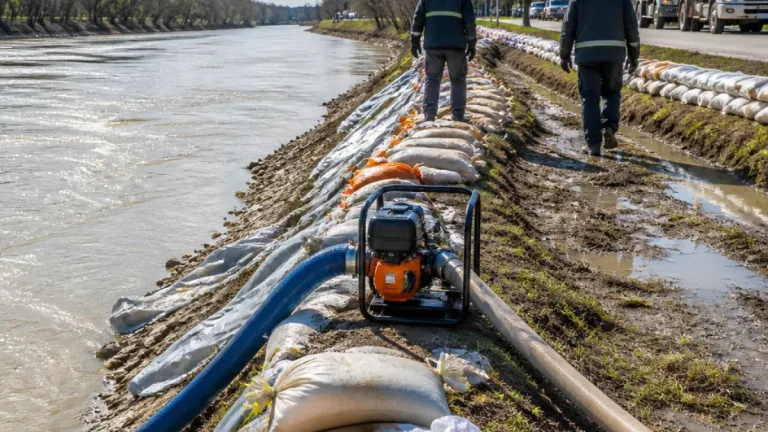
- Late June: another storm causing widespread flooding in the Parkland area.
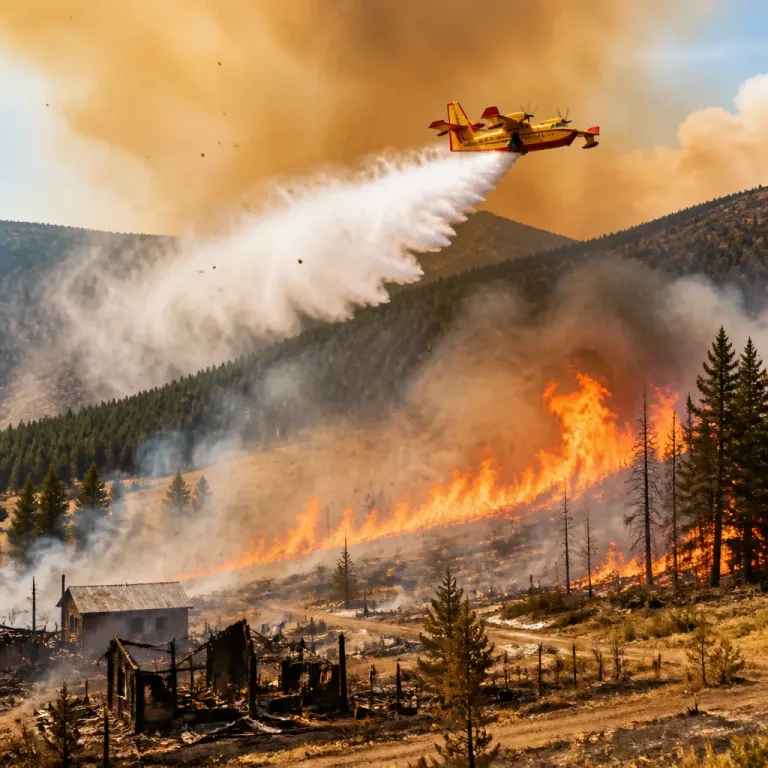
- Recent days: wildfire smoke moving in from northwestern Ontario, cutting visibility in the city.
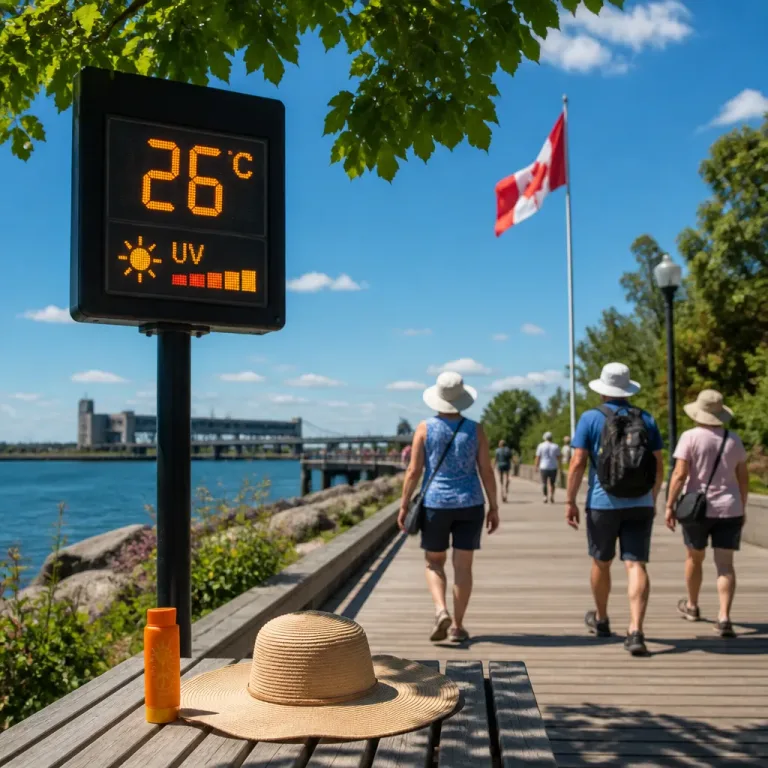
- Heat waves: a spell of high humidity that pushed humidex values into the mid-40s ahead of the cooler weekend.
Environment Canada forecasts for the city show a short break in the heat: Saturday’s high was about 30 C, with Sunday expected to reach 32 C.
| Day | Forecast high |
|---|---|
| Saturday | 30 C |
| Sunday | 32 C |
Photographs from local vantage points such as Garbage Hill in Westview Park captured a hazy skyline as smoke from distant forest fires lingered over Winnipeg. The combination of smoke and heat raises concerns for vulnerable populations, including older residents and those with respiratory conditions.
Practical consequences for the city
City services, event planners and businesses may need to maintain more flexible operations as this pattern continues. That includes contingency staffing plans, revised outdoor-event policies and clearer guidance for patrons when air quality deteriorates or storms approach. For now, many small businesses are managing disruptions day to day, balancing customer service with staff safety.
The cycle of extreme weather this season underlines the importance of preparedness for both sudden storms and prolonged episodes such as wildfire smoke or heat waves — hazards that are increasingly shaping how Winnipeggers go about daily life.