Argentina’s standing in world rugby is driving a wave of grassroots and semi-professional growth across the country, head coach Felipe Contepomi says, as the Pumas’ deep runs at recent Rugby World Cups spark broader interest beyond their historical heartlands.
Momentum from international success
The Pumas’ appearances in the latter stages of global tournaments — including a run to the final in 2007 and semi-final finishes in 2015 and 2023 — have helped lift the profile of the sport in a nation long dominated by football. Contepomi, who featured in that breakthrough 2007 campaign, told BBC Sport that the ripple effects are visible in clubs and communities across Argentina.
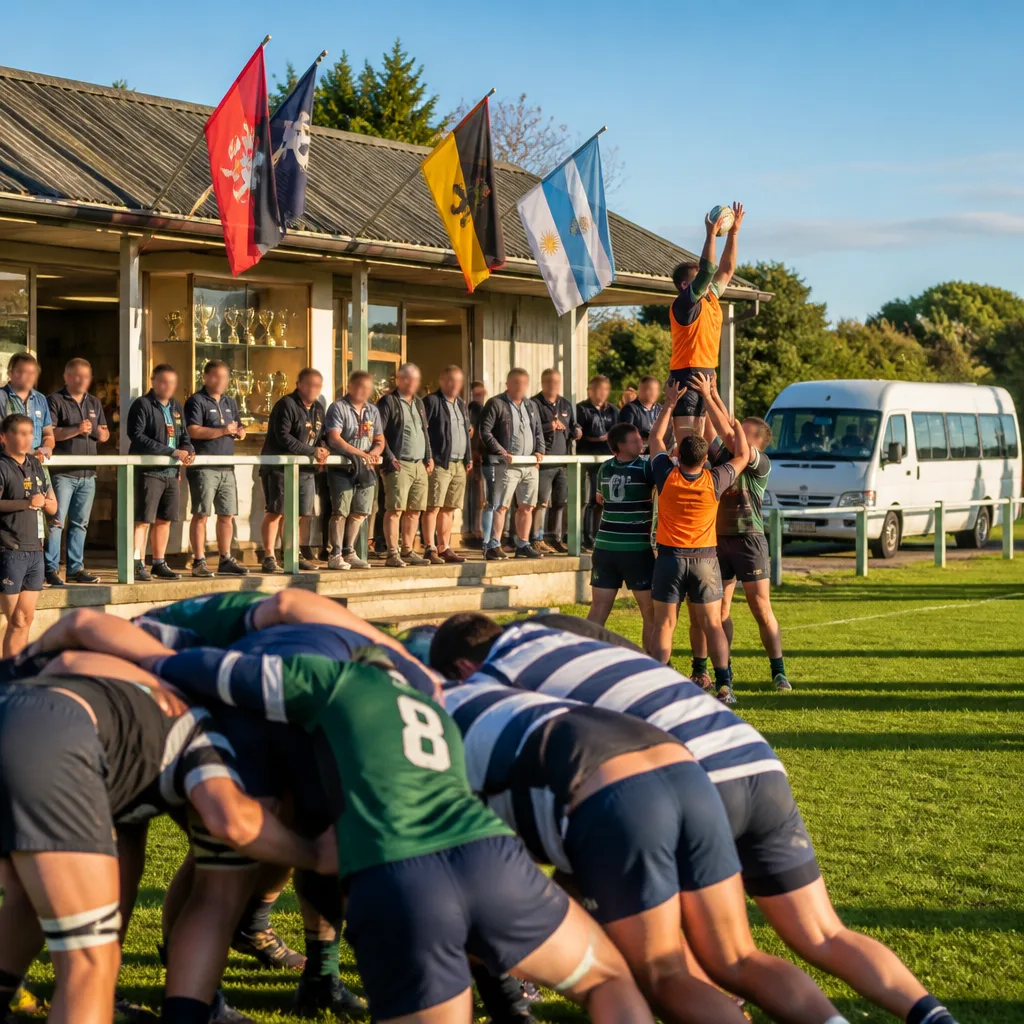
"Amateur rugby here in Argentina is booming. It's very community-based rugby and the clubs are growing. We have more and more people every year."
Contepomi tempered comparisons with football, noting the cultural difference in scale — "football is a religion" — but stressed that rugby’s footprint is broadening. Once concentrated in private schools and urban hubs such as Buenos Aires, the sport is now drawing participants from diverse social backgrounds and provinces, including Tucumán, where Contepomi suggested rugby can even eclipse football in local importance.
Pathways without a domestic professional league
Argentina’s international accomplishments are notable given the absence of a fully professional club structure. The Jaguares, who competed in Super Rugby from 2016 until financial difficulties led to their folding in 2020, no longer provide a domestic professional bridge to the international game.
In place of that model, the semi-professional Super Rugby Americas and other development routes have started to supply emerging talent to higher levels of competition. The movement of players from domestic setups into stronger leagues is already producing tangible examples: Leicester Tigers back-row Joaquín Moro arrived from Pampas XV and made an immediate impact, starting a Premiership semi-final in his debut season in England.
- Growth: Community and club participation are expanding nationwide.
- Pathway: Super Rugby Americas and Pampas XV feed talent abroad.
- Legacy: World Cup performances continue to raise the sport’s profile.
| Year | Argentina milestone |
|---|---|
| 2007 | First Rugby World Cup final appearance |
| 2015 | Semi-final appearance |
| 2023 | Semi-final appearance |
| 2016–2020 | Jaguares competed in Super Rugby |
Contepomi pointed to a shift in recruitment patterns as rugby spreads through more communities: where internationals once largely emerged from elite schools, now players are coming from every province and social class. That democratisation of talent, combined with increased visibility on the world stage, offers Argentina a deeper base from which to sustain international competitiveness.
For Canadian and international observers, Argentina’s model is a reminder that elite performance on the global stage can stimulate domestic growth even without a fully professional league — provided there are semi-professional pathways and opportunities for players to progress. How the Pumas' governing bodies capitalise on that momentum will be key to turning short-term interest into lasting structures.