Barrie rescues absorb animals amid Thunder Bay-area wildfire disruptions
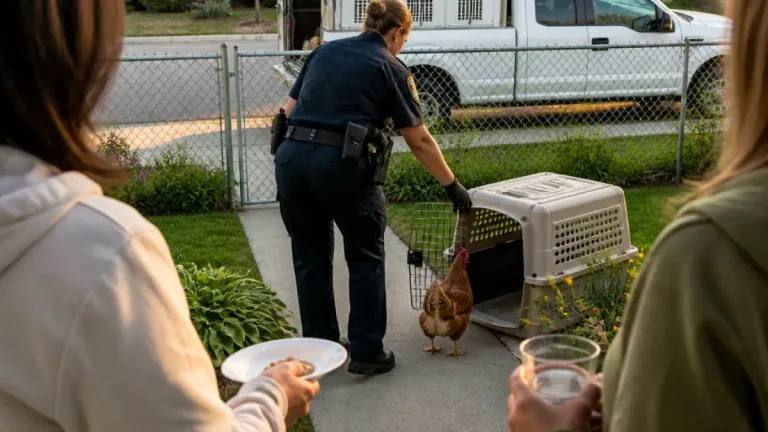
Rescue organizations in Barrie and surrounding communities have taken in 111 animals that were moved from northern Ontario as wildfires around the Thunder Bay region force widespread disruption. The transfers, arranged in recent days, are part of a broader effort to relocate animals to safer facilities while northern communities focus on emergency response.
Local groups say the goal is to stabilize care for animals that could not remain in place as the wildfire situation intensified. The arrivals reflect a north-to-south shift in animal welfare needs during a period when emergency management officials continue to prioritize evacuation logistics, fire control and public safety.
What is confirmed so far
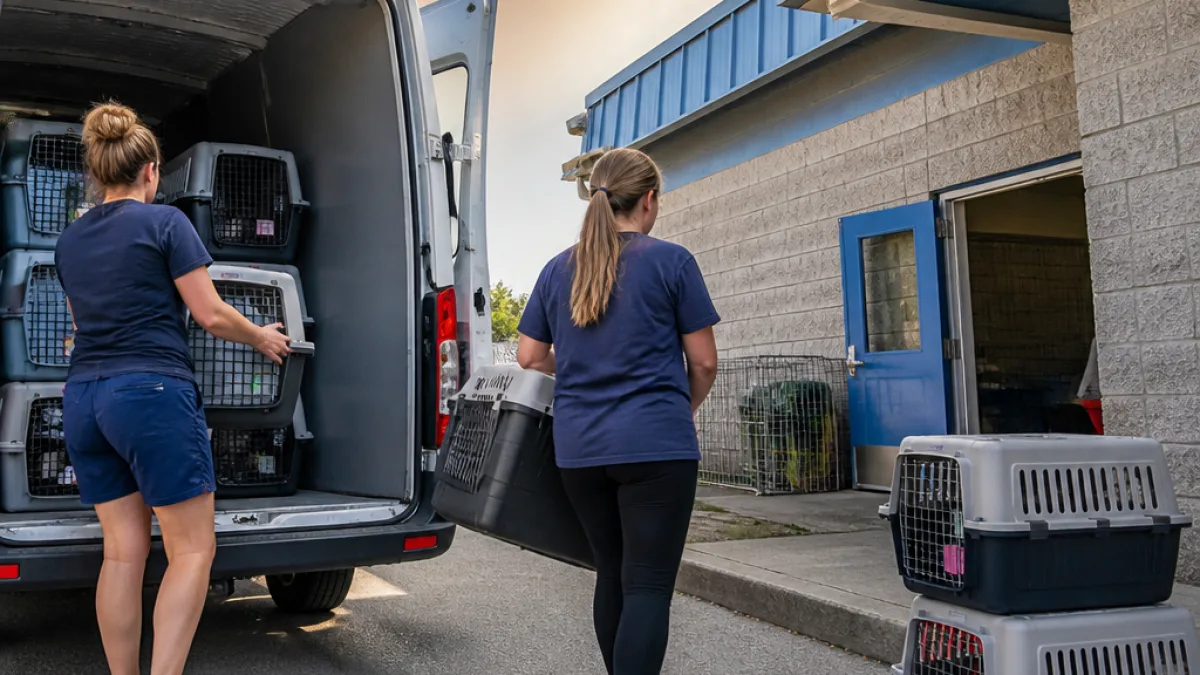
According to multiple rescue organizations involved in the effort, animals were moved out of the Thunder Bay area to Barrie and nearby communities due to wildfire conditions. The confirmed figure stands at 111. While detailed breakdowns of species and originating facilities were not immediately available, the intake represents a significant, sudden increase for local shelters and fosters.
| Origin | Receiving area | Reason | Animals received |
|---|---|---|---|
| Thunder Bay area (northern Ontario) | Barrie and surrounding area | Wildfire-related disruption | 111 |
The transfers align with common emergency practices: when disasters threaten facilities, animals are moved to regions with available space and established networks of fosters, veterinarians and transport support. In this case, Barrie’s proximity to major transportation corridors and its established rescue community made it a practical receiving point.
Why the animals were moved
Wildfires in northern Ontario, including around Thunder Bay, have prompted evacuations and strained local resources. When fire activity escalates, the priority is human safety and maintaining essential services. Animal relocations help free up personnel and space in affected communities while ensuring that pets and shelter animals receive ongoing care away from immediate risk.
Emergency moves of this kind typically involve coordination across multiple organizations to manage transportation, temporary housing and veterinary checks. While those operational details were not released publicly for this transfer, the overall objective is to spread capacity demands across regions that can accommodate them quickly.
What it means for Barrie
The immediate impact in Barrie is a spike in demand for space, supplies and care. An intake of 111 animals can rapidly increase the need for kennels, crates, food, and routine veterinary services, even when animals are healthy on arrival. The shift also concentrates adoption and fostering activity in the short term, as organizations look to keep animals moving into stable placements.
Local rescues typically balance day-to-day intakes from the region with periodic transfers tied to emergencies elsewhere. A surge tied to wildfire response can compress timelines for assessments and placements. It may also prompt organizations to recalibrate how they accept new local surrenders while they manage the transferred population.
- Short-term pressure on shelter space and foster networks as the 111 animals are processed
- Potential delays for non-urgent local intake while transferred animals are stabilized
- Increased need for supplies and veterinary time to support the arrivals
Residents who are watching the wildfire situation may see more posts from local rescues communicating about available animals and general resource needs. Adoption events and online listings can accelerate placement during a capacity crunch, particularly when organizations aim to reduce length of stay.
Community context and next steps
While northern Ontario communities address fire behaviour and air quality, southern centres like Barrie often become hubs for temporary animal care. That role carries practical considerations for the local sector: staffing, transport scheduling, and maintaining isolation protocols when animals arrive from different locations. Even under routine conditions, rescues stagger intakes to manage disease prevention and behavioural assessments; larger emergency transfers add volume to that standard workflow.
Members of the public who plan to assist can look for direct, up-to-date instructions from the specific organizations receiving animals. Needs change quickly as intakes are processed. Common forms of support in these situations include adopting animals already cleared for placement, fostering where appropriate, and providing general-purpose supplies as requested by the organizations themselves.
The northern wildfire season can create rolling operational challenges for animal services across Ontario. Moves like the one that brought 111 animals to Barrie and nearby communities illustrate how the sector redistributes workload as conditions change. For residents, the most immediate effect is a larger selection of adoptable animals across local platforms and potential calls for targeted support while rescues balance this surge with ongoing regional demand.
Further information about individual animals, adoption processes and specific resource requests is expected to be published directly by the receiving organizations as they complete intake and assessment.