For anyone who grew up in the late ’80s, ’90s and early 2000s, the images were everywhere: impossibly narrow waists, angular cheekbones and chiselled frames held up as the default ideal. In response, a countercurrent took hold. The body positivity movement asked society to challenge that template and to decouple a person’s worth from how closely they matched it. Now, as the conversation matures, there’s a fresh question on the table: how do we protect the movement’s inclusive core while remaining clear-eyed about health?
The latest discussion, drawn from reporting on evolving standards and the science of body diversity, underscores what many have long known intuitively: bodies are not one-size-fits-all. As the source material notes,
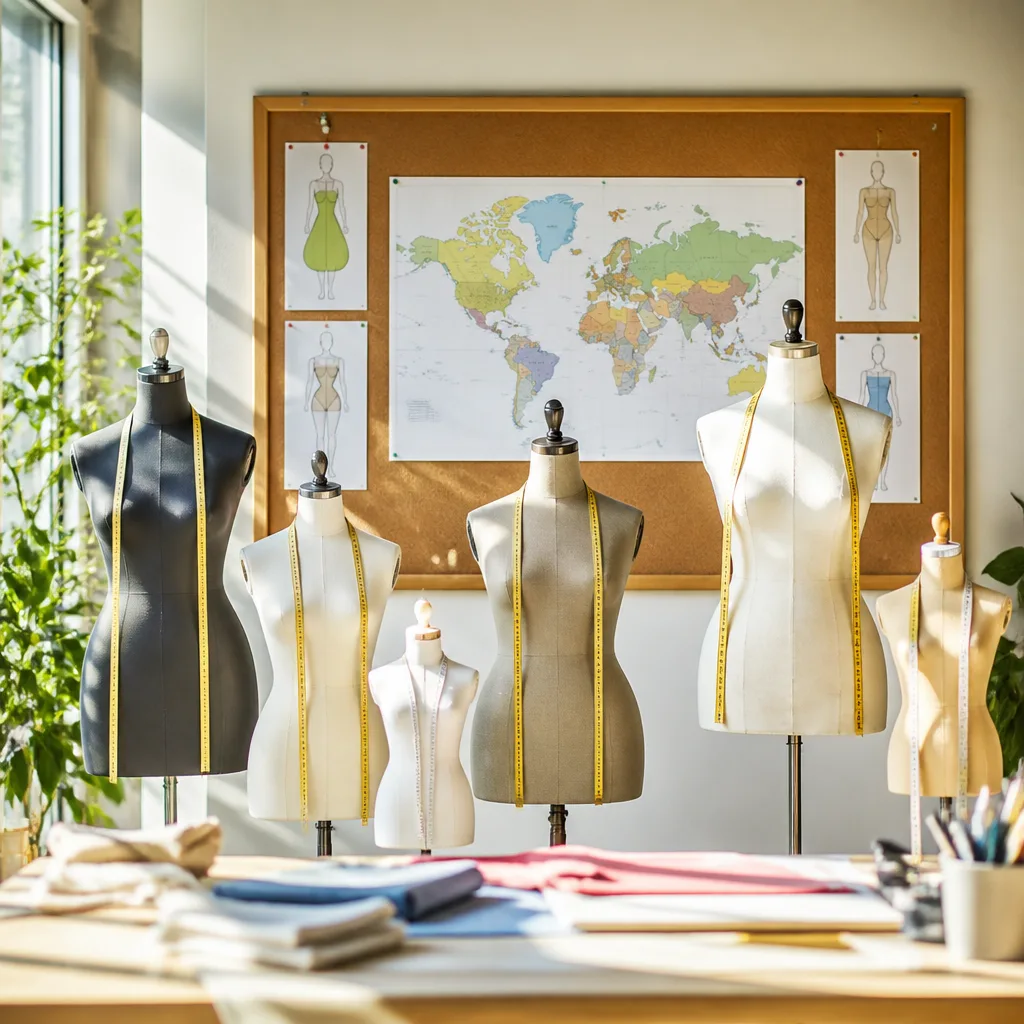
“Humans come in all shapes and sizes by nature.”Skeletal proportions, weight distribution and stature have always varied, shaped by centuries of geographic and ethnic adaptation. In an increasingly global media environment, those differences are more visible—and more meaningful—than ever.
Research points to real-world diversity
Findings cited in the coverage highlight how populations differ in measurable ways. A November 2023 publication from the Textile Institute reports that people in Europe and the United States tend to be larger on average, with overall body dimensions that include wider torsos. Meanwhile, comparative work referenced by the National Institutes of Health (NIH) observes notable distinctions among Koreans, Mainland Chinese, Japanese and Taiwanese populations—even with shared regional proximity—across factors like height, build and limb length.
| Population group | Highlighted characteristics |
|---|---|
| Europe & United States | Larger overall dimensions; wider torsos (Textile Institute, Nov. 2023) |
| Koreans, Mainland Chinese, Japanese, Taiwanese | Differences in height, build, limb length (NIH comparative observations) |
For fashion and media—industries that shape how we see ourselves—those details matter. Standard sizing, camera framing and the faces we put on magazine covers or stream onto screens all signal who belongs. The reporting emphasizes that visibility fuels a sense of identification: when audiences recognise themselves in popular culture, it builds connection and boosts participation.
Keeping the heart of body positivity
Body positivity emerged to counter harm caused by narrow ideals. It encouraged self-acceptance, called out exclusion and broadened the definition of beauty. But the movement’s evolution hasn’t been linear. As highlighted in the source, some interpretations strayed into territory that critics argue may underplay health considerations. The challenge now is to maintain a message that welcomes diverse bodies without sliding into extremes in any direction.
That balance starts with representing the full spectrum of bodies—across sizes, ages and backgrounds—while resisting the urge to collapse complex health conversations into one-size-fits-all slogans. The research referenced above supports a simple truth: diversity isn’t a trend; it’s the baseline. Recognising that baseline helps media makers, brands and audiences align expectations with reality.
Why this matters for audiences and creators
Canadians consuming global content are part of this shift. Inclusive imagery can translate into tangible benefits: more comfortable shopping experiences, less pressure to chase a single ideal and stronger engagement from people who finally feel seen. For creators—from stylists and editors to casting directors and marketers—data on body morphology can inform decisions that meet audiences where they are, not where outdated templates say they should be.
- Representation builds belonging: Seeing a wider range of bodies encourages participation and reduces stigma.
- Data supports design: Insights on body proportions can guide better sizing, fit and accessibility.
- Balance is key: Uphold inclusivity while keeping conversations about health thoughtful and nuanced.
The through-line is practical and hopeful: broaden the frame, update the defaults and keep nuance in the conversation. The ideals of the past era were never universal. Today’s audience is, and our cultural mirror should reflect that.