Prime Minister Mark Carney has indicated he will not re-establish a Liberal caucus in the Senate but could move to shore up the Conservative presence there, the government’s representative in the upper chamber said.
Senate composition and executive discretion
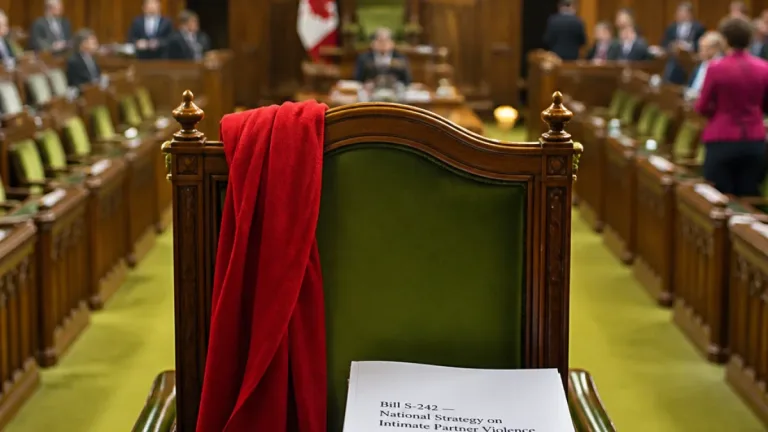
Pierre Moreau, who represents the government in the Senate, said Conservatives — who secured just over 41 per cent of the vote in the most recent election — should not see their influence in the upper house diminish. At the same time, the prime minister has announced a new independent advisory body intended to provide recommendations for Senate appointments.
“constitutional prerogative”
Government officials stress that the advisory panel is consultative: while it will offer guidance on potential nominees, the prime minister retains the final authority to make appointments. The announcement, made last Wednesday, frames the panel as a mechanism to inform future selections while leaving open traditional executive discretion.
Political and institutional implications
The comments by the government’s Senate representative underline a dual approach: an ostensible move toward impartial vetting through the advisory body, paired with an explicit readiness to use the prime minister’s appointment power for partisan balancing. That stance raises questions about how appointments will be reconciled with the panel’s recommendations and what criteria the prime minister will prioritise when exercising his appointment authority.
- Advisory board: Established to advise on Senate appointments; described as independent but advisory in role.
- Executive power: The prime minister retains the constitutional authority to appoint senators and may choose partisan nominees.
- Partisan balance: The government’s representative signalled a willingness to bolster Conservative numbers despite rejecting a return to a Liberal Senate caucus.
Observers will watch closely whether the advisory mechanism alters the character of appointments in practice or becomes a formal check that changes how the upper chamber is filled. The government’s stated intent to avoid reviving a Liberal caucus, coupled with a possible increase in Conservative senators, suggests a deliberate recalibration of Senate dynamics rather than a move toward strictly non-partisan appointments.
| Element | Stated position |
|---|---|
| Advisory board | Independent, will inform future appointments |
| Prime minister’s authority | Remains the final decision-maker |
| Senate caucuses | No plan to revive Liberal caucus; possible increase in Conservative numbers |
How the government balances the advisory board’s input against its prerogative to appoint will be a practical test of how Ottawa interprets the distinction between consultation and decision-making. The outcome will directly affect the Senate’s composition and its role in reviewing federal legislation.