Two of the largest U.S. airlines have doubled down on a strategy that emphasises premium customers and higher-yield services, a development that could reverberate for travellers and businesses in Delta and across Metro Vancouver.
Airline strategy and what changed
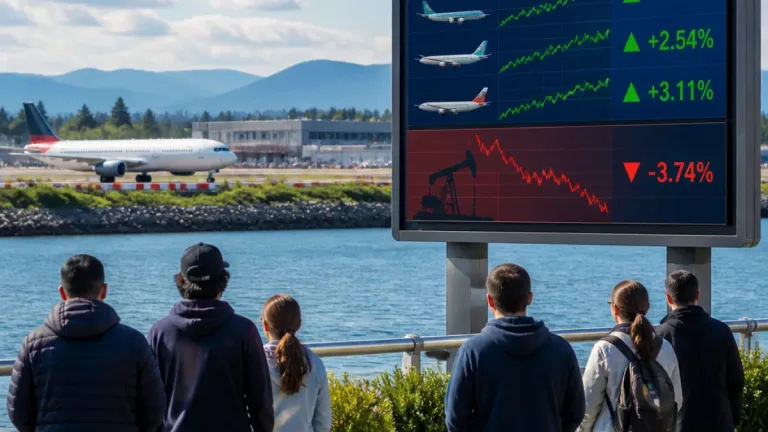
Delta Air Lines and United Airlines reported results showing continued strength in both premium and economy cabins, according to industry analysis. The firms have focused on differentiating their products toward higher-paying customers and have been able to maintain demand even as costs have risen.
"Both carriers have been pursuing similar strategies and have found them to remain successful,"
The analysis notes the current environment is the first quarter to fully show the impact of higher fuel prices following the outbreak of conflict near Iran late in the prior quarter. That increase in operating costs has pushed airlines to raise fares, but the industry had room to do so because ticket prices had been rising more slowly than overall inflation.
Local consequences for travellers and businesses
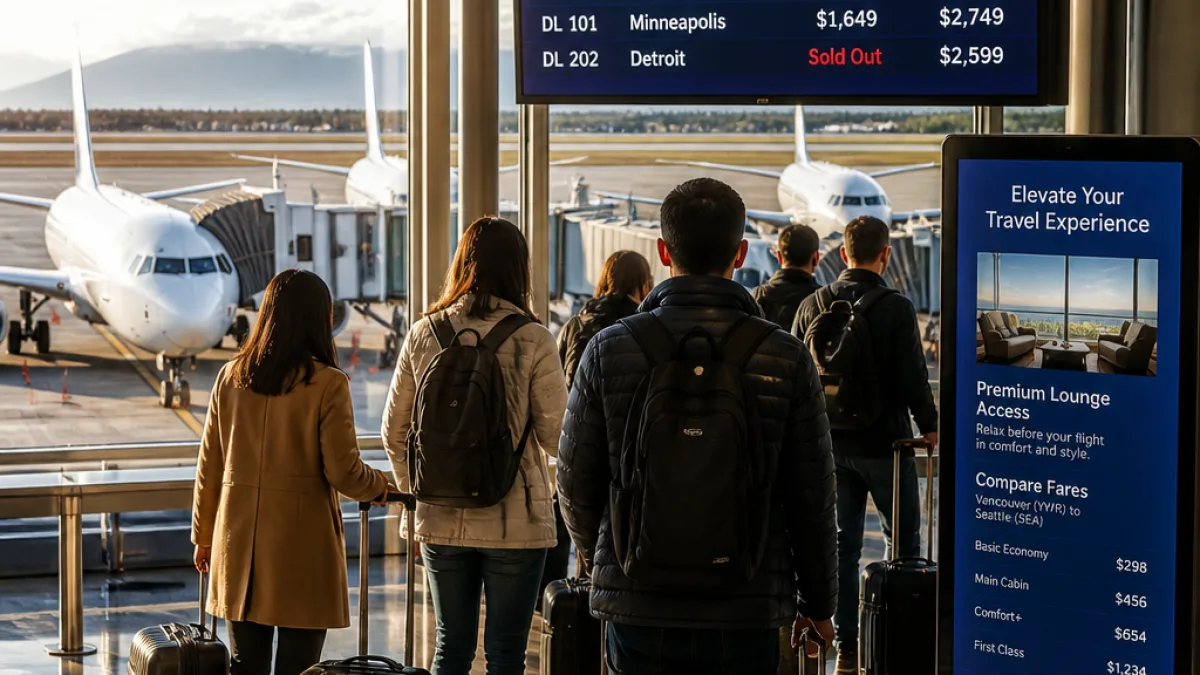
For Delta residents who travel for work or leisure, the shift has practical consequences. Higher fares driven by fuel costs and carrier pricing strategies may raise the cost of trips and change choices around routing and cabin class. Local tourism operators, travel agents and small businesses that rely on visitor flows could see revenue effects if travellers alter plans or spend less.
- Higher fares: Airlines are raising prices to offset rising fuel expenses.
- Product focus: Emphasis on premium cabins may improve amenities for those who can pay more, while affecting value options.
- Demand resilience: Despite fare increases, demand has remained stronger than in some previous high-cost periods.
How these shifts translate into schedules, capacity or connections that directly serve the region will depend on carrier network choices and competitive dynamics at nearby hubs. Industry analysts cited in the report suggest the recovery from fuel-cost shocks has been faster than in past cycles, which may limit longer-term disruption.
Data at a glance
| Factor | Effect noted in analysis |
|---|---|
| Fuel-price shock | Higher operating costs; fares increased |
| Pricing strategy | Focus on premium customers; sustained demand |
Residents and local firms that rely on air travel should monitor fare trends and carrier announcements that could affect availability and pricing. Travel-planning flexibility — such as booking earlier, comparing carriers and monitoring fare alerts — remains a practical response for consumers facing a changing airline marketplace.