Evacuees detail urgent departures as fires advance
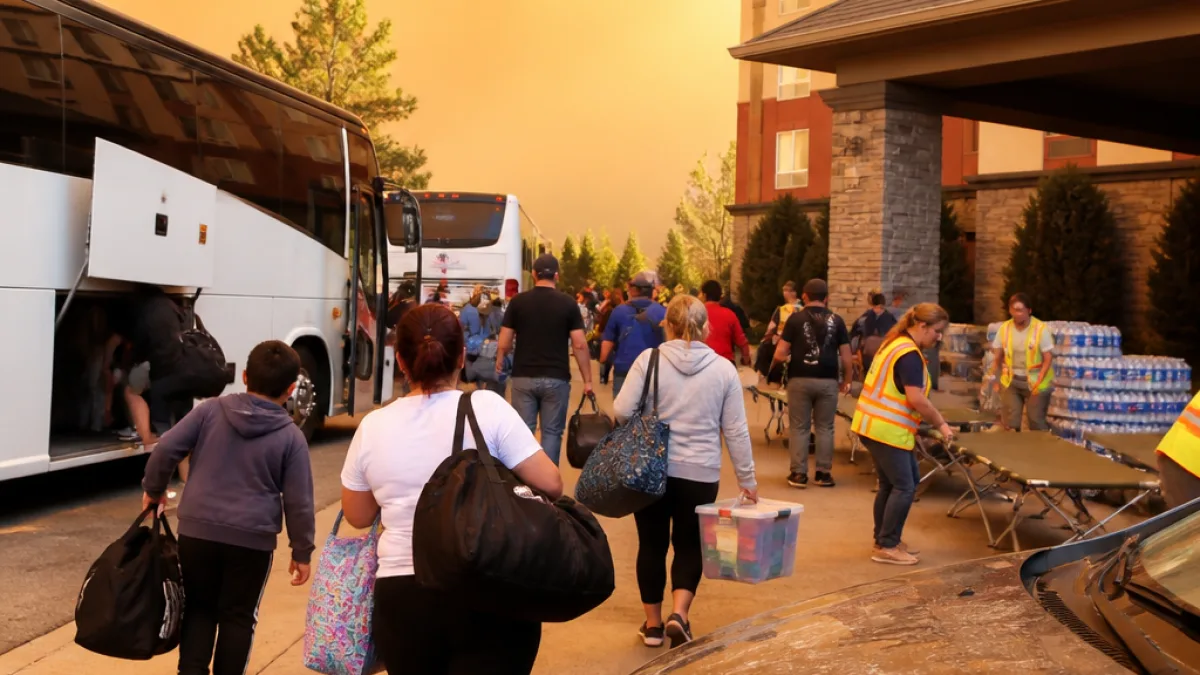
Residents from Whitesand First Nation and the neighbouring unincorporated communities of Armstrong and McKenzie Lake have been moved to a hotel in Thunder Bay as wildfires continue to rage across northern Ontario. Evacuees described a rapid deterioration in conditions, from thickening smoke to falling debris, that left little time to gather belongings before leaving.
Community members reported the air turning darker and more caustic within hours, prompting local leaders and family members to urge immediate departures. One resident recalled warning neighbours that the situation could quickly spiral beyond control and encouraging people to pack what they could and get on the road without delay.
“I went back around town telling people we got to get out of here,” one evacuee said, describing the push to help others leave as the smoke closed in.
The group now in Thunder Bay includes nearly 350 people from Whitesand, Armstrong and McKenzie Lake. Many more from other communities — notably Collins First Nation — have also arrived in the city as officials track nearly 200 active fires across the region. According to evacuees, this year’s blazes have already consumed more land in Ontario than was burned in all of last season, with smoke hazards drifting well beyond the North and across provincial and international boundaries.
Road out under falling ash
Conditions on escape routes were difficult. Long fuel lineups formed along highways as smoke dimmed the sky. Several evacuees described glowing horizons and ash falling amid erratic winds. One resident who left with only a small bag of clothes and basic supplies said they could see embers landing around them.
“There were hot ashes landing on my new truck,” another evacuee said, recalling the drive. “Hot, cold ashes landing from the sky.”
Some evacuees debated returning for personal items or to take protective steps around their homes, but many decided the risks were too high. Another resident said they left a pet behind in the rush and worried about the animal’s safety as conditions worsened around the community.
Blackened daylight and power disruptions
Reports from McKenzie Lake indicated the smoke grew so dense that the sky resembled midnight in the middle of the day. With electricity down after a tree fire took out a line, people packed by flashlight to make night-time departures.
“All day it was so black with smoke, it was like midnight,” an evacuee from McKenzie Lake said, describing the hours before leaving late at night.
Evacuees in Thunder Bay said the move happened quickly, leaving limited opportunity to collect medication, clothing or key documents. Families arriving at the hotel were focused on immediate needs and monitoring the fire situation from afar, uncertain about what they will find when they return.
Scale of the emergency
Ontario is contending with a widespread wildfire emergency in the North, with nearly 200 blazes active. Evacuation flights and ground movements have been ongoing in recent days as communities face fast-changing smoke and fire behaviour. Thunder Bay has emerged as a central reception point, with local services coordinating to accommodate displaced residents.
Evacuees described the following conditions and challenges:
- Rapidly worsening smoke, with acrid air and low visibility
- Falling ash and debris along access roads
- Power disruptions and night-time packing by flashlight
- Limited time to gather medication, clothing and essentials
Communities and numbers at a glance
| Community | Status | Notes |
|---|---|---|
| Whitesand First Nation | Evacuated to Thunder Bay | Part of ~350 evacuees with nearby communities |
| Armstrong (unincorporated) | Evacuated to Thunder Bay | Travel hindered by smoke and ash |
| McKenzie Lake (unincorporated) | Evacuated to Thunder Bay | Power line downed by a burning tree |
| Collins First Nation | Evacuees in Thunder Bay | Community affected by wildfire damage |
| Northern Ontario | ~200 active wildfires | Area burned exceeds last year’s total |
What comes next
Displaced residents in Thunder Bay are monitoring updates while authorities continue suppression efforts and assess community safety. The timing of any return will depend on fire behaviour, air quality and critical infrastructure checks. For many, the focus remains on health and safety after exposure to heavy smoke during departure.
Evacuees say their priorities are straightforward: staying informed, maintaining access to medication and essential supplies, and staying connected to family and neighbours. With winds and weather influencing fire activity, officials and community leaders are expected to update residents as conditions shift.