Evacuation orders expand as heat intensifies wildfire conditions
Emergency officials have directed residents in parts of northwestern Ontario to leave their homes as advancing forest fires trigger immediate safety concerns. The Ontario Provincial Police (OPP) and Emergency Management Ontario (EMO) say mandatory evacuations are now in effect for Armstrong, Cushing Lake, Collins First Nation, Whitesand First Nation and Lac des Mille Lacs First Nation. People in those communities are instructed to move south to Thunder Bay.
Authorities also warn that nearby areas may soon face the same direction to leave. Residents of Ignace, Crystal Lake and the Highway 633 corridor have been told to prepare for possible evacuations as conditions evolve.
Where orders stand
The following communities have been identified by OPP and EMO based on current alerts:
| Community/Area | Status | Direction |
|---|---|---|
| Armstrong | Evacuate | Head south to Thunder Bay |
| Cushing Lake | Evacuate | Head south to Thunder Bay |
| Collins First Nation | Evacuate | Head south to Thunder Bay |
| Whitesand First Nation | Evacuate | Head south to Thunder Bay |
| Lac des Mille Lacs First Nation | Evacuate | Head south to Thunder Bay |
| Ignace | Be ready to evacuate | Await local instructions |
| Crystal Lake | Be ready to evacuate | Await local instructions |
| Highway 633 area | Be ready to evacuate | Await local instructions |
Compounding heat raises risk
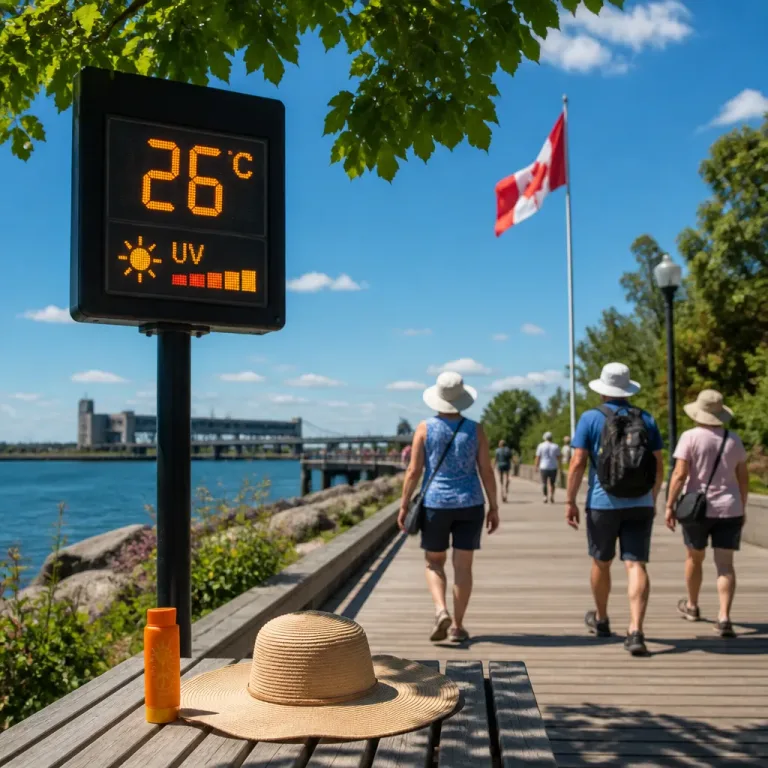
Environment Canada has placed much of northern Ontario under a severe heat warning, with daytime highs forecast near 36 C and humidex values around 40 or higher. Such conditions can dry fuels and increase fire intensity, complicating firefighting efforts and evacuation logistics. The sweltering temperatures also heighten health risks for residents who are travelling or sheltering, particularly older adults and those with pre-existing conditions.
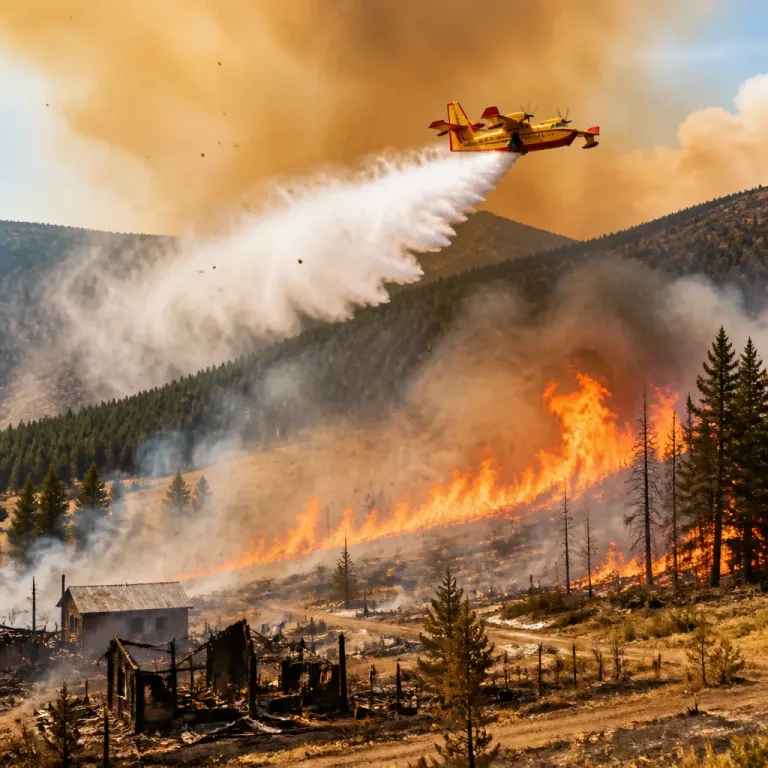
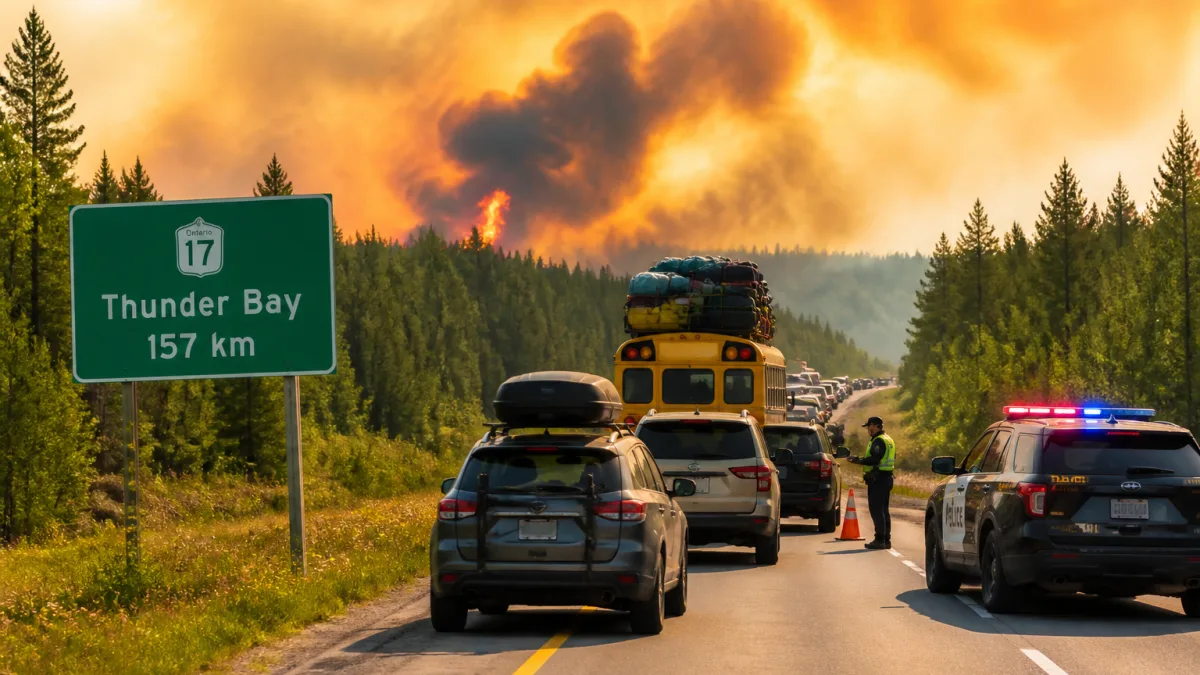
Images shared on social media show thick smoke columns and visible flames, underscoring the unpredictable behaviour of the fires and the urgency behind the evacuation decisions. Local police and provincial emergency officials are directing residents to follow real-time instructions and to move quickly when ordered to leave.
What residents should know now
- Evacuate immediately if you are in communities under an order and proceed south to Thunder Bay as directed by EMO.
- Stay prepared in Ignace, Crystal Lake and the Highway 633 area; conditions may change with limited notice.
- Monitor official channels from OPP and EMO for updates on routes, reception centres and changing fire activity.
Authorities have not provided timelines for lifting the orders. The combination of dry fuels and elevated temperatures means fire growth can accelerate rapidly and smoke may significantly reduce visibility. Residents moving along regional highways should expect potential delays and changing conditions, and should follow instructions from police and emergency personnel they encounter on the route.
Regional context and next steps
Northwestern Ontario communities are accustomed to seasonal wildfire threats, but extended heat can amplify the pace and severity of fire spread. With multiple communities already under evacuation and others on notice, municipal and First Nations leadership, along with provincial agencies, are coordinating sheltering and support in Thunder Bay and surrounding centres.
Officials emphasize that directives can shift as weather forecasts and fire behaviour evolve. Anyone in affected zones should keep communication devices charged, rely on authoritative updates, and be prepared to move quickly if conditions worsen. The priority, they say, is to keep people safely out of the path of the fires while crews contend with active fronts and heavy smoke.