Western Manitoba campground gutted by repeated flooding
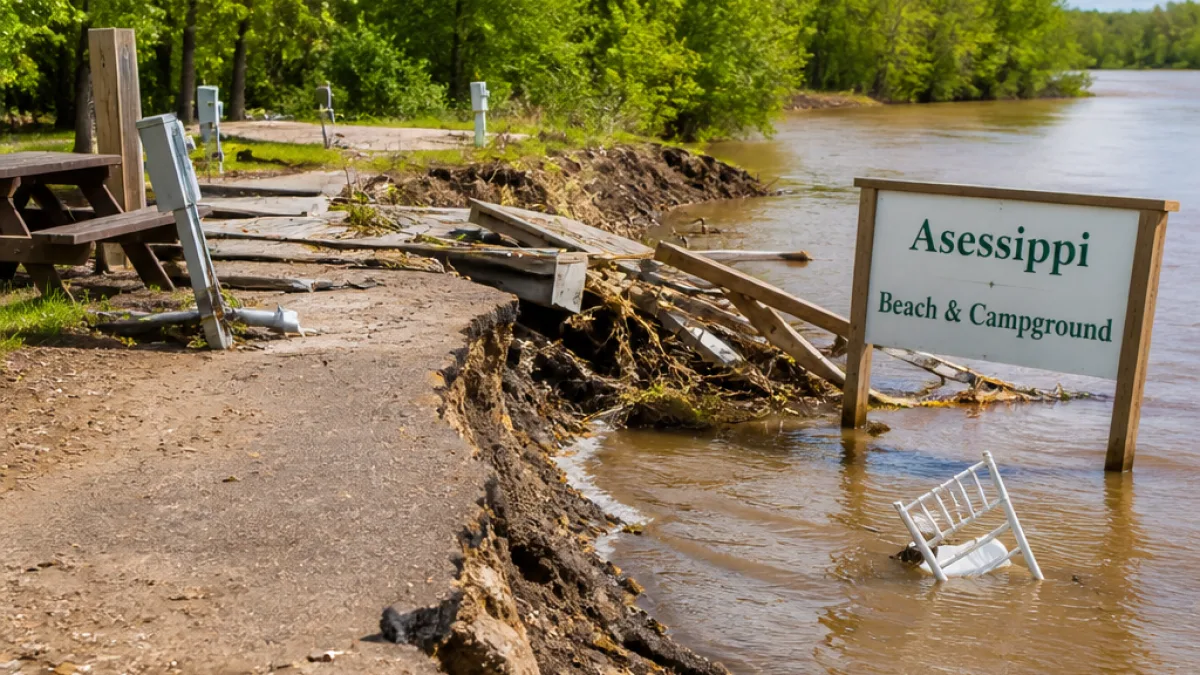
Asessippi Beach & Campground, situated along the Shell River north of Russell, has suffered catastrophic damage after two separate flooding events within a month, leaving most of its sites destroyed and the season effectively cancelled. The co-owners say water from successive storms scoured away the beach area and a large portion of their campground, while access roads have been compromised by washouts.
The devastation is rippling through community plans. One couple, expecting about 200 guests next month, is now weighing a last-minute change of venue. The campground’s operators say they never truly opened for the season before a second surge of water hit at the end of June.
Access cut and sites lost
Owner Karen Goraluk said floodwaters stripped out 14 of the 22 campsites, erasing much of the developed area that drew visitors each summer. She described a first storm on June 7 that inundated the Parkland region, followed by another wave of heavy rain June 30–July 1 that struck before recovery could begin. The Shell River, fed by runoff from the Duck Mountains, runs directly through the campground.
“It’s just, you know, what do you do? You can’t control it, so you just gotta figure out what to do,”
Goraluk told CBC Manitoba’s Radio Noon. She added that after the first flood, they had hoped to dry out and carry on, but the second surge arrived quickly, lingered longer and “took away some land.” With road washouts between the highway and the site, vehicles cannot currently drive in.
Community events upended
For Darius Bomback and his partner Megan, the venue’s sudden loss leaves little time to rework logistics for their late-August celebration. Their gathering was planned for the campground’s beach and sites — now largely gone.
“It’s been really wrecked because of this,”
Bomback said. He added that, based on what’s left on the ground, holding the event there no longer appears feasible.
Back-to-back storms compound damage
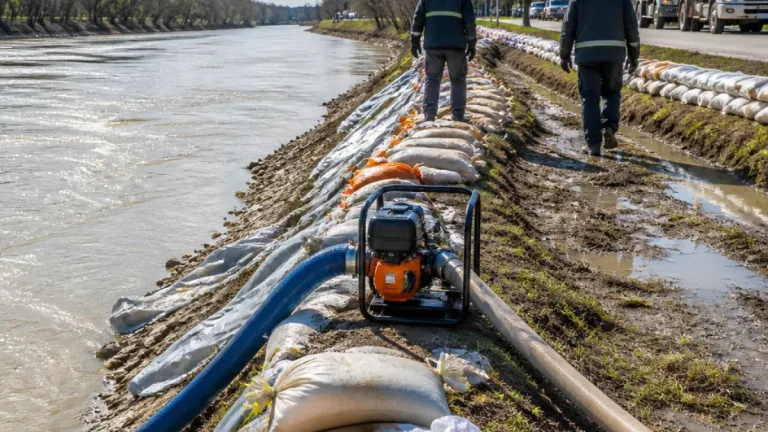
The Parkland region absorbed severe rainfall twice in less than four weeks. According to the campground’s owners, the initial deluge on June 7 caused notable damage but seemed survivable with repairs. The late-June storms then drove a second flood that cut deeper, complicating any chance to reopen. Across the area, dozens of local emergencies were declared, roads were torn out and some homes and businesses took on water.
| Date | Event | Reported impact at Asessippi |
|---|---|---|
| June 7 | Regional flooding | Initial damage; owners hoped to repair and resume |
| June 30–July 1 | Second storm system | Faster, longer flood; 14/22 sites lost, land eroded, access roads washed out |
What this means for visitors and residents
- Campground operations: The owners say they were never able to open this season and, after the late-June flooding, do not expect to host campers.
- Access constraints: Washouts between the highway and the site currently prevent vehicle access.
- Event disruptions: Private bookings — including a large late-summer wedding — are being reconsidered as the venue’s beach area and most sites have been washed away.
While operators and would-be guests wait for conditions to stabilize, the challenge ahead is clear: road repairs are needed before vehicles can reach the property, and the campground’s footprint has been physically reduced by the river’s force. Goraluk noted that the Shell River’s path through the grounds leaves the site especially exposed when runoff surges from the surrounding highlands.
Regional context
The Parkland’s twin flood events stretched local capacity throughout June and early July. Officials across the region issued multiple states of emergency as heavy rain pushed rivers beyond their banks, damaged transportation corridors and triggered localized evacuations in some communities. For tourism businesses dependent on a short Prairie summer, the lost weeks are significant; for families and event planners, the uncertainty is immediate.
For the Asessippi campground and those who rely on it, the focus now turns to assessing what can be salvaged once waters fully recede — and how to rebuild a shoreline that has literally shifted.