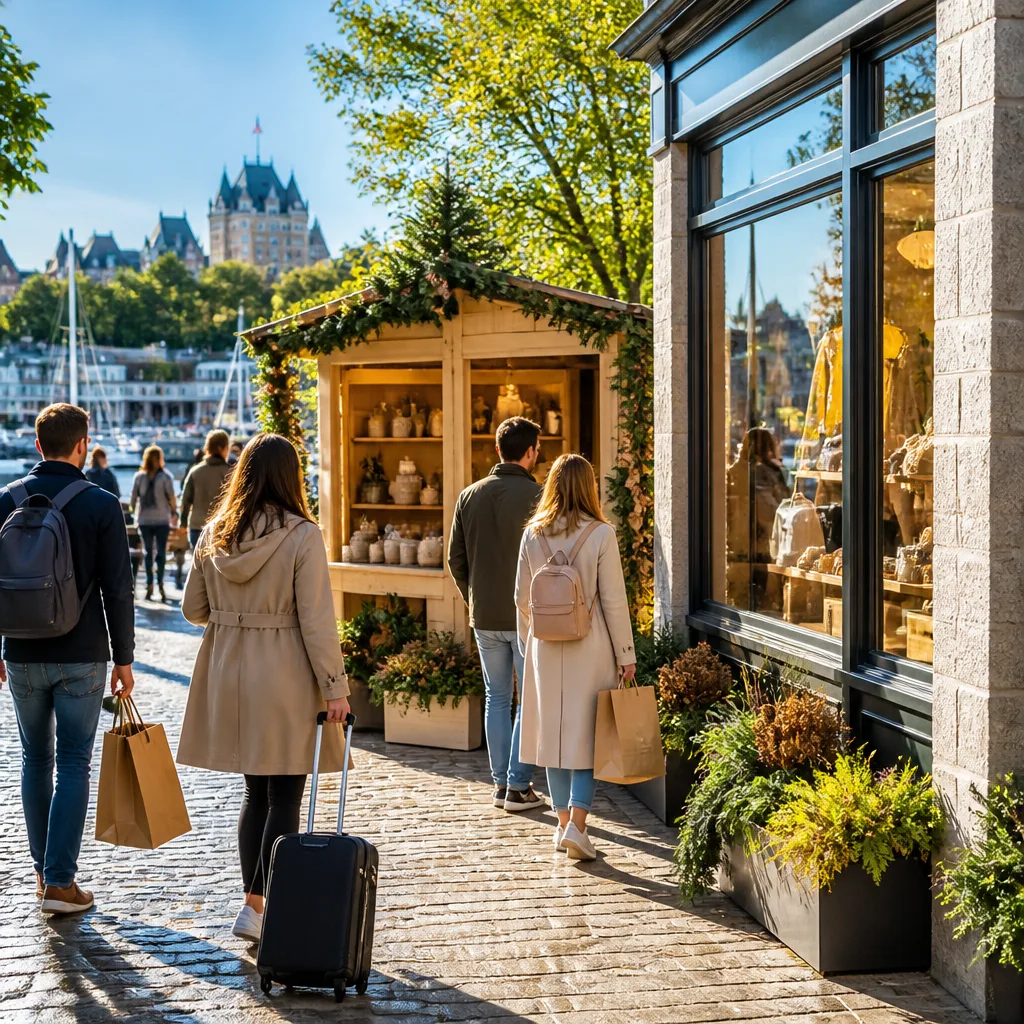
Shopping is no longer a peripheral activity for many travellers — it has become a primary reason to visit a destination. The move from postcards and magnets to designer pieces bought on holiday reflects a wider shift known as retail tourism, where flagship boutiques, limited collections and pop-up activations are treated as travel attractions in their own right.
From memento to memory
Fashion purchases bought abroad are often framed as souvenirs with emotional value: a silk scarf from Paris, a Loewe basket from Ibiza or sunglasses bought beside the Mediterranean carry stories of place and moment. That association — where an object recalls a specific trip, meal or afternoon — is a key reason shoppers prefer buying in person rather than online.
Brands designing destination experiences
Luxury houses are deliberately linking product and place. Seasonal concepts such as Dior Riviera and capsule moments like Loewe Paula’s Ibiza create collections and events that celebrate a locale’s lifestyle and seasonality. Other labels stage highly visual activations in holiday hotspots: Jacquemus is known for photogenic pop-ups and beach events, while Louis Vuitton continues to leverage its travel heritage with resort boutiques and curated travel accessories.
- Purchases are framed as experiential: the object is secondary to the memory it carries.
- Brands use limited or location-only lines to drive foot traffic and exclusivity.
- Retail activations can influence where visitors go and how long they stay.
What travellers and planners should know
For consumers, retail tourism reshapes packing, budgets and itineraries: souvenir shopping may now warrant a shopping list as much as a museum visit. For travel and hospitality sectors, boutiques and branded activations are new drivers of visitation and spending, requiring coordination with local tourism calendars and event schedules.
| Type of retail experience | Typical example |
|---|---|
| Flagship / resort boutique | Louis Vuitton resort stores |
| Seasonal capsule | Dior Riviera collection |
| Destination pop-up | Jacquemus beach activations |
As shopping increasingly anchors travel decisions, the relationship between place and purchase is changing. For travellers, that can mean a more curated, memory-driven approach to buying; for destinations and brands, it presents both an opportunity to attract visitors and a responsibility to manage the environmental and cultural impacts of consumption and tourism growth.