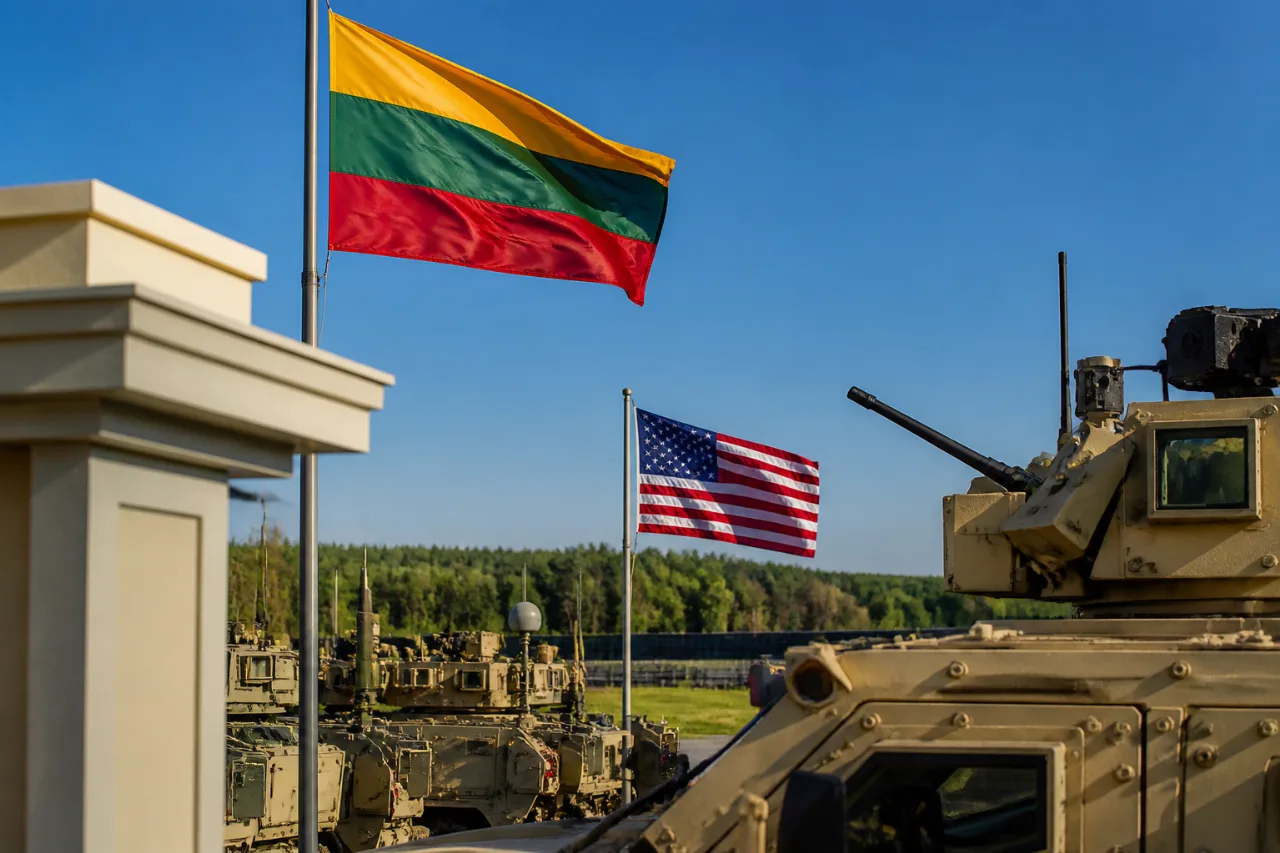
Lithuania’s parliament has confirmed a new government led by Saulius Sinkevičius, who pledged to keep defence spending above 5% of GDP and to seek a continued U.S. troop presence in the Baltic nation. The policy priorities, endorsed by the Seimas on Tuesday, position Lithuania to maintain one of the highest defence burdens in NATO as Russia’s war against Ukraine grinds on.
The new administration replaces prime minister Inga Ruginienė, who stepped aside for the Social Democratic Party leader amid turbulence within the governing bloc. Sinkevičius’ platform commits not only to sustaining elevated military expenditures but also to continued support for Ukraine, underscoring Vilnius’s insistence that deterrence on NATO’s eastern flank depends on credible capability and allied presence.
“It would be a mistake to believe that Russian military threat is subsiding due to the large losses it is now taking,”
Sinkevičius told lawmakers as he presented the government’s manifesto, framing the security environment as durable rather than transitory. The stance reflects Lithuania’s geography—bordering both Russia and Belarus—and its historical reading of Moscow’s intent.
Mandate and coalition arithmetic
The three-party, centre-left coalition—comprising the Social Democrats, For Lithuania, and the Farmers and Green Union—secured a narrow majority. In the confidence and programme vote, 72 members backed the platform, 29 opposed, and 4 abstained, with the remainder absent. The Nemunas Dawn party, whose leader faces charges of incitement to hatred against Jews and belittling the Holocaust, is not part of the new cabinet.
| Indicator | Figure |
|---|---|
| Estimated 2026 defence spend (share of GDP) | 5.33% |
| Coalition parties | Social Democrats; For Lithuania; Farmers and Green Union |
| Parliamentary vote on platform | 72 for; 29 against; 4 abstentions |
| Next national election | October 2028 |
Defence posture and allied presence
Lithuania is currently the top NATO defence spender as a share of economic output, at an estimated 5.33% of GDP this year. The new government seeks to keep spending above the 5% threshold, signalling long-term planning for procurement, readiness, and infrastructure. A continued U.S. military footprint is cast as a key pillar of deterrence alongside Lithuania’s own investments and sustained assistance to Kyiv.
By binding itself to this course at the outset, the coalition is betting that hard-power commitments and visible allied backing will reduce the risks of coercion or miscalculation in the region. The manifesto’s emphasis on Ukraine support further ties Lithuania’s security to the outcome of the conflict and to collective Western policy coherence.
Institutional implications
The cabinet’s narrow majority may test its capacity to keep defence funding at exceptional levels as broader fiscal and political pressures mount. However, framing the policy as a response to a persistent threat suggests continuity is likely through the current parliamentary term, with the next election scheduled for October 2028. The exclusion of Nemunas Dawn from government indicates an attempt to stabilise the coalition’s profile and avoid disputes that could distract from its security priorities.
- New PM Saulius Sinkevičius anchors policy on elevated defence outlays and allied presence.
- Lithuania seeks to maintain its position as NATO’s top defence spender by GDP share.
- Parliament granted a mandate with a modest majority, setting a course through 2028.
For allies, the signal is clear: Lithuania intends to remain a front-line contributor within NATO, aligning resources, political will, and allied deployments to deter further Russian aggression while sustaining material and political support for Ukraine.