NBA commissioner Adam Silver says the controversy surrounding Indiana Fever star Caitlin Clark has transcended refereeing and become entangled in wider political and cultural debate in the United States.
Silver: discourse beyond whistles and calls
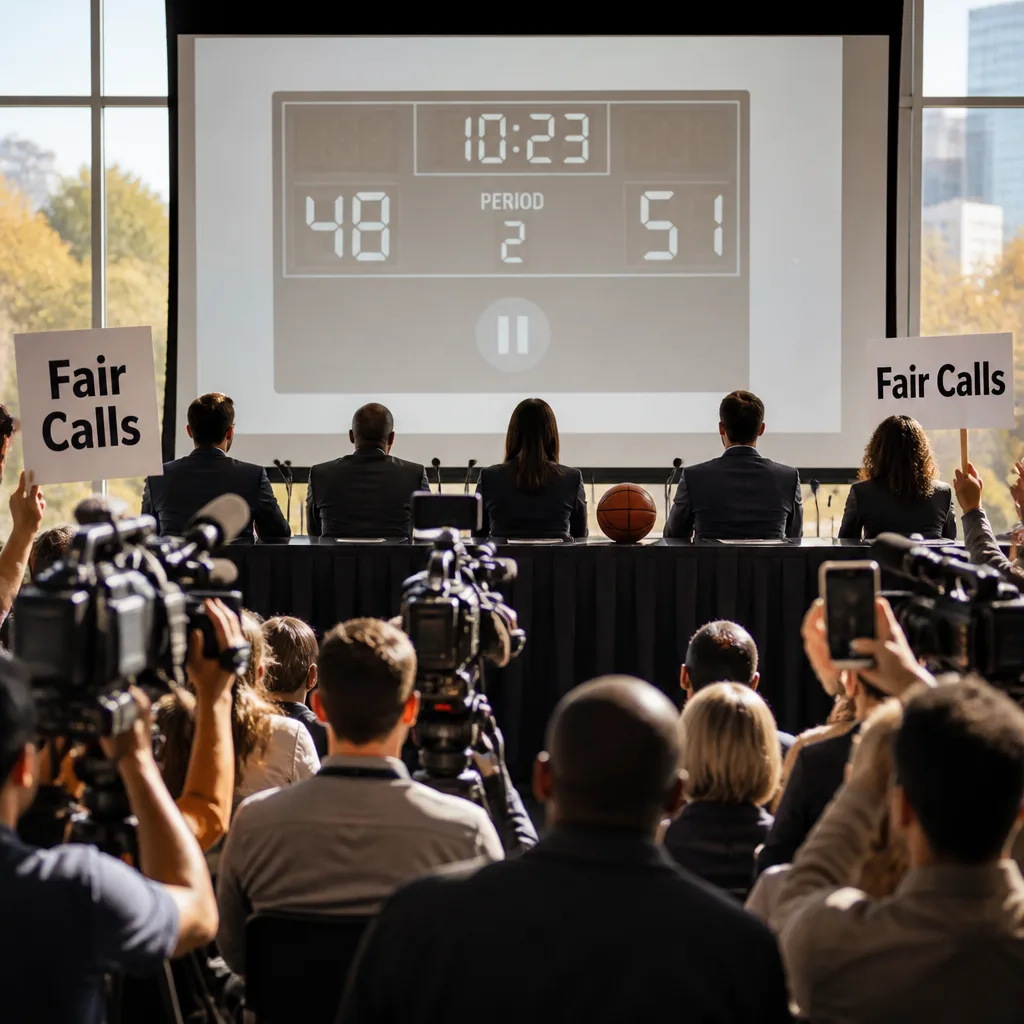
Speaking on a New York panel, Silver framed recent attention on how Clark is treated on court as more than a question of foul calls or postgame reviews. The commissioner, who has followed Clark's rise since she was selected first overall in the 2024 draft, said the scrutiny directed at the young guard has assumed a political dimension that is unfair to the player.
"That particular incident is not about whether a foul should have been called at the time of the game or whether that was ultimately a flagrant non-review,"
Silver added he has come to know Clark and called her both an "incredible player" and an "incredible person," saying she simply wants to concentrate on her on-court development. He said the broader debate has become "a bit of a political football in this country," a label he described as unjust to Clark.
Incident, reaction and fallout
The recent controversy stems from an altercation in which Phoenix Mercury forward Alyssa Thomas was later handed a one-game suspension and a US$1,000 fine for conduct that included what league review determined to be contact with Clark. That decision followed intense reaction from multiple quarters — from Clark's coach and teammates to political figures — amplifying questions about how the WNBA polices physicality and protects star players.
- Thomas received a retrospective one-game ban and a US$1,000 penalty.
- Fever coach Stephanie White publicly criticised officiating in games involving Clark.
- A group of U.S. Republican lawmakers sought accountability from WNBA leadership, citing concerns about possible racial motivation.
Silver declined to confirm media reports that he personally pressured WNBA commissioner Cathy Engelbert regarding Thomas's punishment. He said the episode is rooted in broader social and political conversations rather than stemming solely from routine officiating calls.
What this means for the sport
The episode highlights how rapidly on-court incidents involving high-profile players can escalate into national conversations about race, gender and political bias. For the WNBA, the situation presents a governance challenge: balancing transparent disciplinary processes with the need to manage public narratives and protect players from abuse off the court. For Clark, the attention — both supportive and hostile — risks distracting from a formative period in her professional career.
| Element | Detail |
|---|---|
| Player involved | Caitlin Clark (Indiana Fever) |
| Responding official | Adam Silver, NBA commissioner |
| Disciplinary action | Alyssa Thomas: one-game ban, US$1,000 fine |
The debate underscores how modern professional sport — especially women’s basketball at a moment of surging popularity — can quickly intersect with national politics and media ecosystems. As the WNBA navigates public pressure and internal discipline, league officials and team leaders will need to weigh both the letter of competition rules and the broader social consequences of their decisions.