Fire activity concentrated in northwest as communities prepare to leave
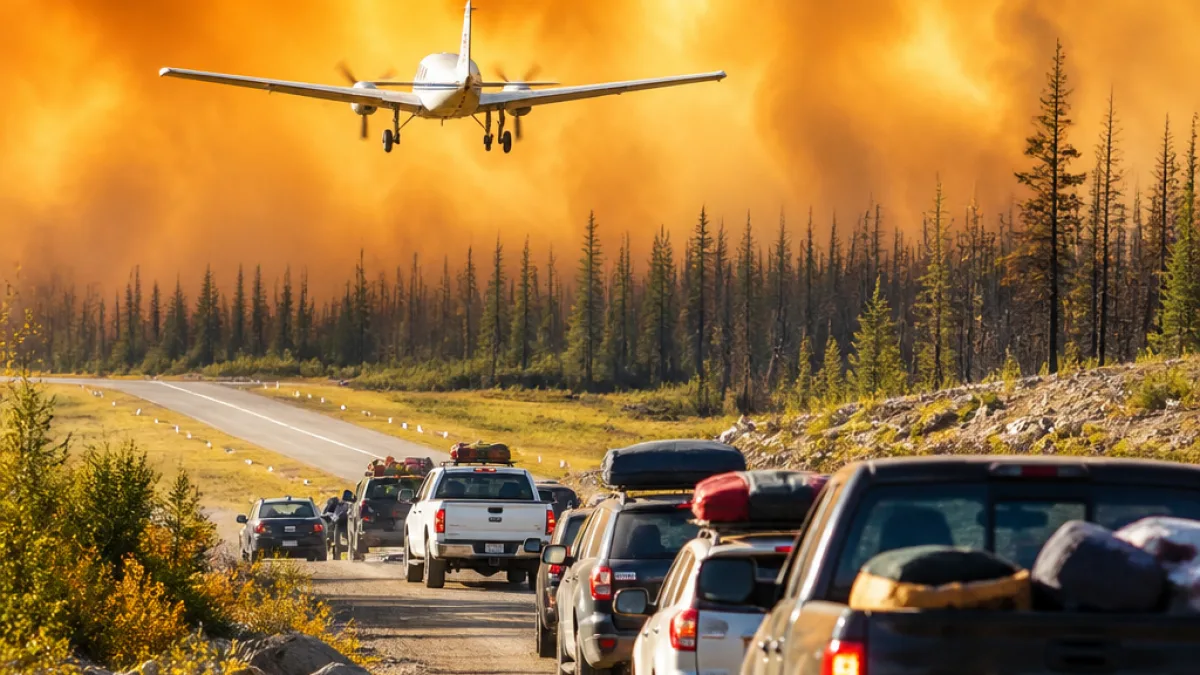
Nearly 200 wildfires are currently active across Northern Ontario, with officials reporting that 57 of those blazes are out of control. The majority of the fires are concentrated in the province's northwest and have prompted emergency measures, including evacuation flights for remote communities.
Recent precipitation has eased some flames but authorities caution that only sustained rainfall will substantially reduce the overall danger. In the meantime, officials say firefighting crews remain focused on protecting lives, property and critical infrastructure.
| Metric | Reported figure |
|---|---|
| Active wildfires | Nearly 200 |
| Fires out of control | 57 |
Evacuations and community impacts
Several northern communities are preparing for, or already underway with, evacuations. Neskantaga First Nation scheduled another evacuation flight as residents leave for southern destinations, with some evacuees headed to Toronto. Officials in Thunder Bay noted limited hotel availability as pressure mounts on accommodation for displaced people.
Reports from Whitewater Lake First Nation describe extensive damage to homes, possessions and essential infrastructure, underscoring the severe local consequences in some remote areas.
- Evacuation flights are being used to move residents from remote communities.
- Open-air burning bans and restricted fire zones remain in effect across the northwest.
- Smoke is affecting air quality and disrupting supplies in some communities.
Response and public guidance
Fire crews have said their priorities are clear: rescue and protect people first, then safeguard residences and critical services. Provincial and local authorities have imposed burning restrictions to limit further spark-caused starts while they concentrate resources on containment and protection.
Officials warn that while some blazes have slowed after rainfall, the overall situation could deteriorate. Residents in affected areas are advised to heed evacuation orders and local notices, monitor air quality reports, and prepare for disruptions to supplies and services if fires approach infrastructure corridors.
At present, there are no comprehensive counts released publicly of the total number of evacuees or the full scope of property losses beyond individual community reports. Recovery needs and longer-term impacts will depend on whether the fires can be contained and whether additional weather shifts bring sustained relief.
Coverage of the ongoing incident continues as agencies update conditions. Local authorities remain the best source for immediate evacuation instructions and information on supports for displaced residents.