
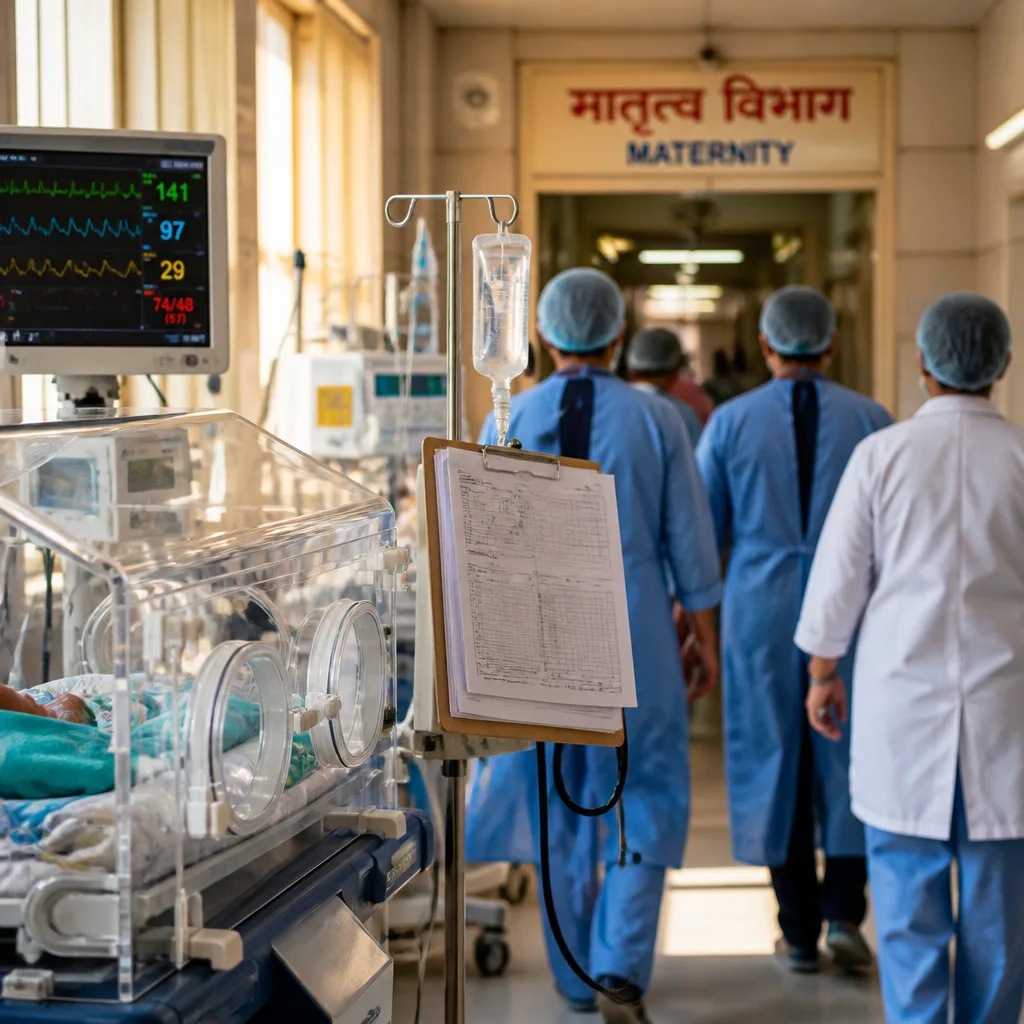
About one in four women who delivered at a Delhi tertiary-care hospital over the past eight years required care for a pregnancy classified as high risk, hospital officials said — a sign of changing maternal health patterns driven by lifestyle illness, delayed childbearing and chronic disease.
What the hospital found
Aakash Healthcare, which began maternity services in 2017 and has since recorded roughly 10,000 deliveries, reported that around 25 per cent of those births needed specialised, cross-department management because of complications that could endanger mother or baby. The hospital said these cases demanded input from multiple specialist teams during pregnancy and delivery.
“We are seeing more women entering pregnancy with conditions such as obesity, diabetes, hypertension, thyroid disorders and polycystic ovary syndrome (PCOS),” said Dr. Madhulika, senior consultant in obstetrics and gynaecology at Aakash Healthcare.
Common contributors to higher risk
The hospital's observations echo wider medical research suggesting complex pregnancies are on the rise globally. Contributing factors listed by clinicians include:
- delayed motherhood and increased use of assisted reproductive technologies,
- chronic conditions present before pregnancy such as diabetes and hypertension,
- lifestyle-related conditions including obesity and metabolic disorders,
- pregnancy-specific problems like gestational diabetes and pregnancy-induced hypertension, and
- other issues such as severe anaemia, thyroid disease, multiple pregnancy and repeat caesarean sections.
Implications for care and outcomes
Clinicians warn that pregnancies complicated by these conditions carry greater risks of maternal morbidity, premature birth and neonatal complications if not detected and managed early. The hospital emphasised that careful antenatal monitoring and timely intervention can often allow women with higher-risk profiles to achieve healthy outcomes.
| Metric | Reported figure |
|---|---|
| Deliveries since 2017 | ~10,000 |
| Proportion requiring specialised care | ~25% |
What this means for expectant parents
For people planning pregnancy or already pregnant, the takeaways are practical: maintain regular antenatal visits, manage chronic conditions with specialist input, and discuss lifestyle changes with care providers. Health teams are increasingly coordinating across specialties to address multifaceted risks, meaning earlier referrals and customised care plans are becoming standard practice.
The Delhi hospital's findings add to a growing body of evidence that maternal health services worldwide must adapt to more complex patient needs as demographics and disease patterns evolve. For expectant families, that adaptation can translate into closer monitoring — and, when necessary, more intensive care — aimed at protecting both mother and infant.