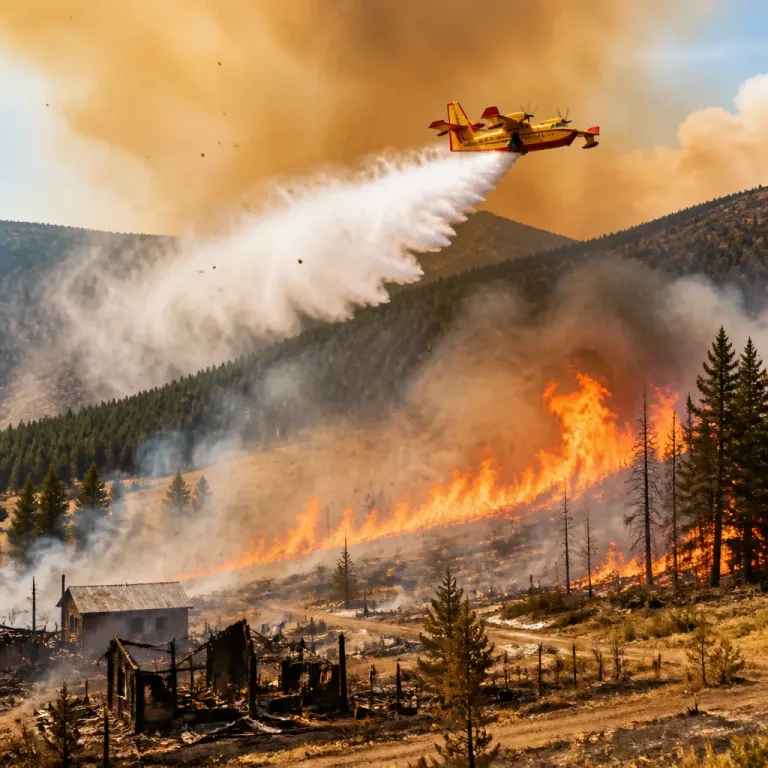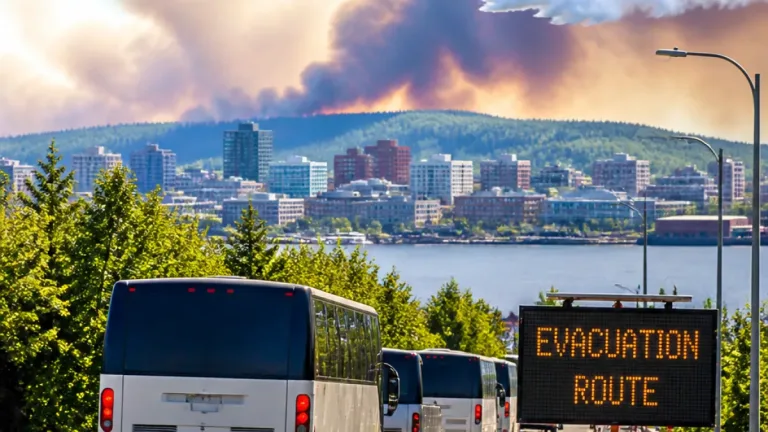
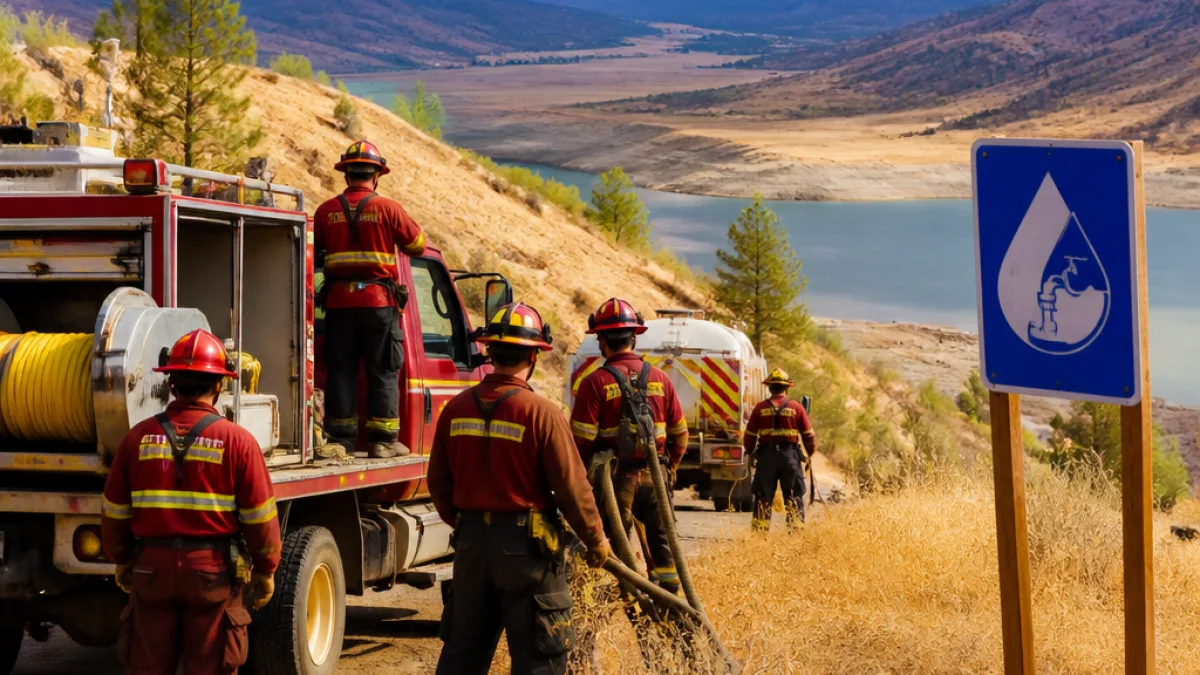
British Columbia officials say the province must prepare for the possibility of a major increase in wildfire activity in the coming days as critically dry conditions meet a forecast of lightning, particularly across the southern two-thirds of the province.
Dry fuels and lightning create a volatile mix
The director of wildfire operations for the BC Wildfire Service warned that vegetation and other fuels are exceptionally dry, leaving large swaths of the province highly vulnerable to ignition and rapid fire spread. The service is mobilizing crews and placing resources on alert to respond to new starts.
"What dry lightning means is that we will see high winds, lightning hitting the ground, and it will come with very little or no precipitation leading to a very high potential of wildfire starts and wildfire spreads," Cliff Chapman said.
Chapman said the combination of low moisture and lightning with little accompanying rain — commonly referred to as "dry" lightning — could spark multiple outbreaks over a short period, complicating suppression efforts.
Regional risks and water stresses
Officials flagged the greatest near-term concern for southern areas of the province, including zones close to the Canada–U.S. border. Drought conditions are already putting pressure on water supplies and aquatic ecosystems in several regions.
- Southern two-thirds of B.C. flagged at elevated risk for ignition and spread.
- Vancouver Island, the Lower Mainland and southern Interior showing stress on water systems and stream flows.
- Okanagan registering record-low stream flows in some locations.
Water Minister Randene Neill stressed the link between low stream levels, warmer water temperatures and strain on fish and other aquatic life. She said local authorities generally set water restrictions but the province can issue temporary protection orders if scientific and local evidence indicate a risk to juvenile salmon or other species.
"Any decision to issue a temporary protection order is guided by science, local knowledge and Indigenous knowledge," Neill said.
What residents should know
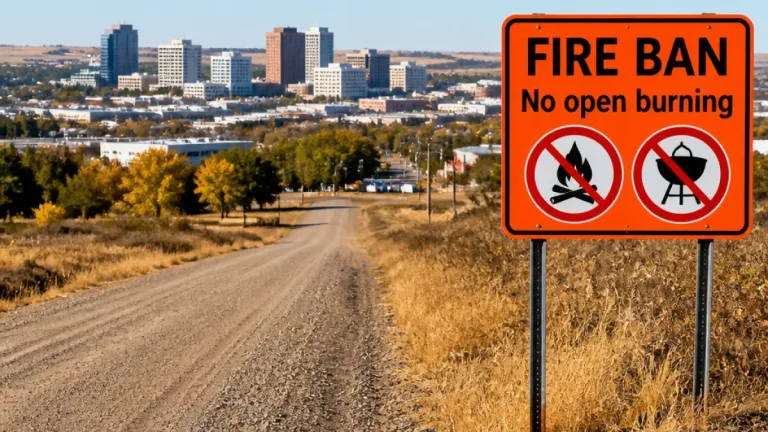
Officials urged residents to be diligent in the coming 48 hours: avoid activities that could start fires, follow local fire restrictions, and conserve water where local measures are in place. The BC Wildfire Service said crews are on heightened alert and prepared to respond, but rapid multiple ignitions could strain capacity.
| Area | Primary concern |
|---|---|
| Southern B.C. (near U.S. border) | Dry lightning strikes and rapid spread |
| Vancouver Island & Lower Mainland | Low stream flows and drought pressure |
| Okanagan | Record-low stream flows in places |
Provincial officials emphasised they will monitor conditions closely and coordinate with local governments and Indigenous partners. The public is advised to follow updates from the BC Wildfire Service and local authorities as the situation develops.