Emergency departments left to manage psychiatric crises with limited tools
Hospitals in smaller communities are frequently the point of first contact for people in mental-health crisis — and, in many cases, they end up detaining those patients under involuntary admission rules because there are few other options available. Data from two cottage-country hospitals operated by Muskoka Algonquin Healthcare illustrate this trend: of 295 psychiatric admissions in 2024–25, 291 — about 99 per cent — were involuntary.
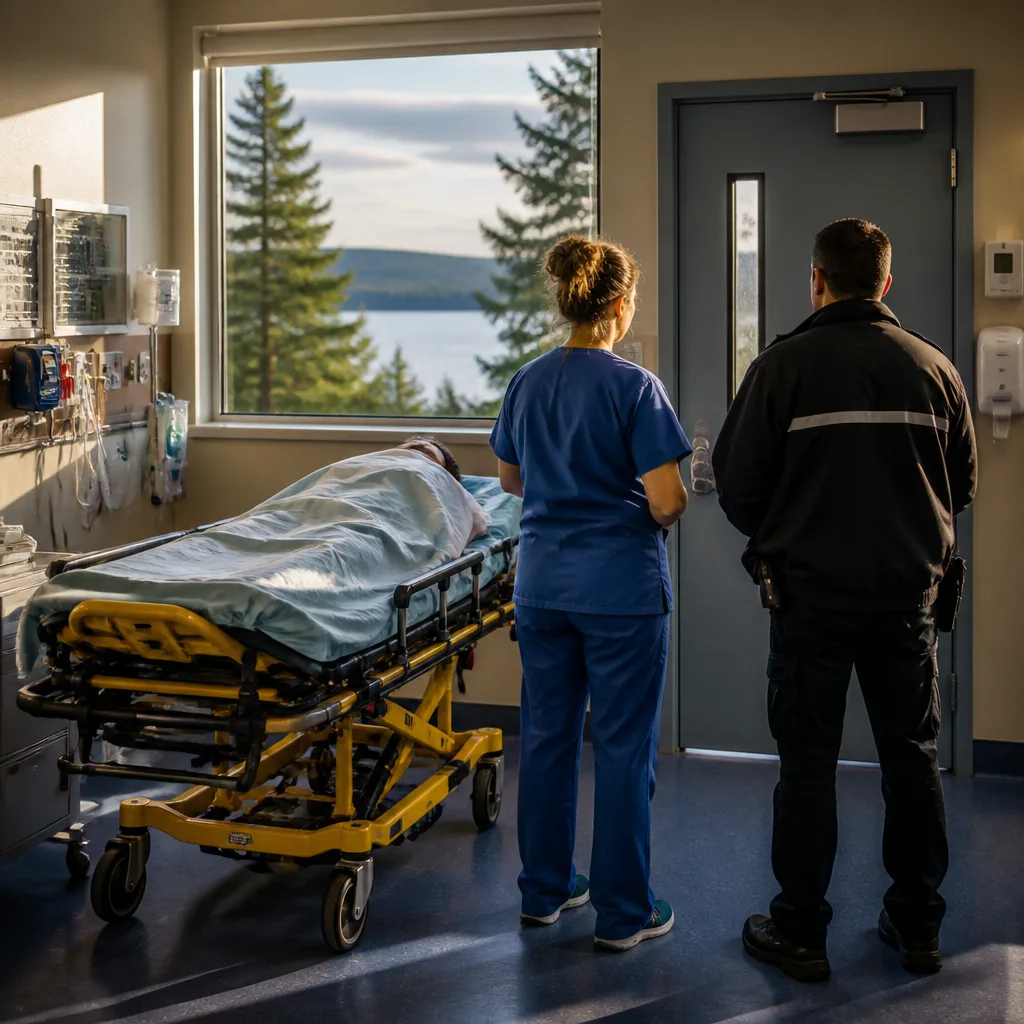
These facilities, like many rural and small-town hospitals, were not specifically built or staffed to provide ongoing psychiatric treatment, yet their emergency departments must respond when people arrive in acute distress. The absence of on-site psychiatrists or psychiatric nurses at many of these hospitals means staff rely on emergency protocols and involuntary admission provisions to keep patients in the system until higher-level care can be arranged.
Numbers from two Northern Ontario communities
| Location | Total psychiatric presentations (2024–25) | Involuntary admissions |
|---|---|---|
| Muskoka Algonquin Healthcare (two hospitals) | 295 | 291 (99%) |
| Parry Sound | 161 | 158 |
Staff at these hospitals report routinely having to admit psychiatric patients under involuntary status because alternatives are limited or distant. That pattern can leave emergency departments functioning as temporary psychiatric wards, sometimes for extended periods while transfer or outpatient resources are sought.
Implications for patients and services
- Patients may be held in settings not designed for therapeutic psychiatric care.
- Emergency departments and general hospitals expend scarce resources on prolonged psychiatric stays.
- Communities without local specialist services face delays in accessing appropriate psychiatric assessment and treatment.
Health-system planners and provincial authorities will need accurate data and local engagement to determine whether investments in community mental-health teams, telepsychiatry, or targeted staffing can reduce reliance on involuntary admissions. Until such measures are widely available, small hospitals will continue to shoulder the responsibility for immediate crisis management despite limitations in design and specialised personnel.
This report summarises figures and conditions drawn from regional hospital records and local reporting on emergency mental-health care in smaller Ontario communities. It does not provide clinical guidance; decisions about care and legal status remain the responsibility of treating clinicians and provincial legislation governing psychiatric admissions.