Air-quality warning persists as Signal Hill fire status improves
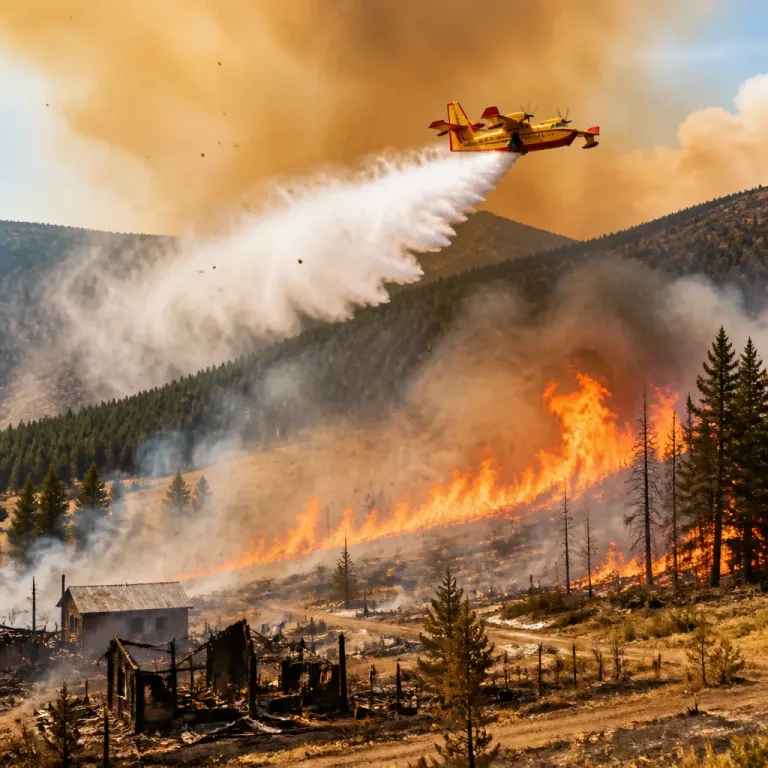
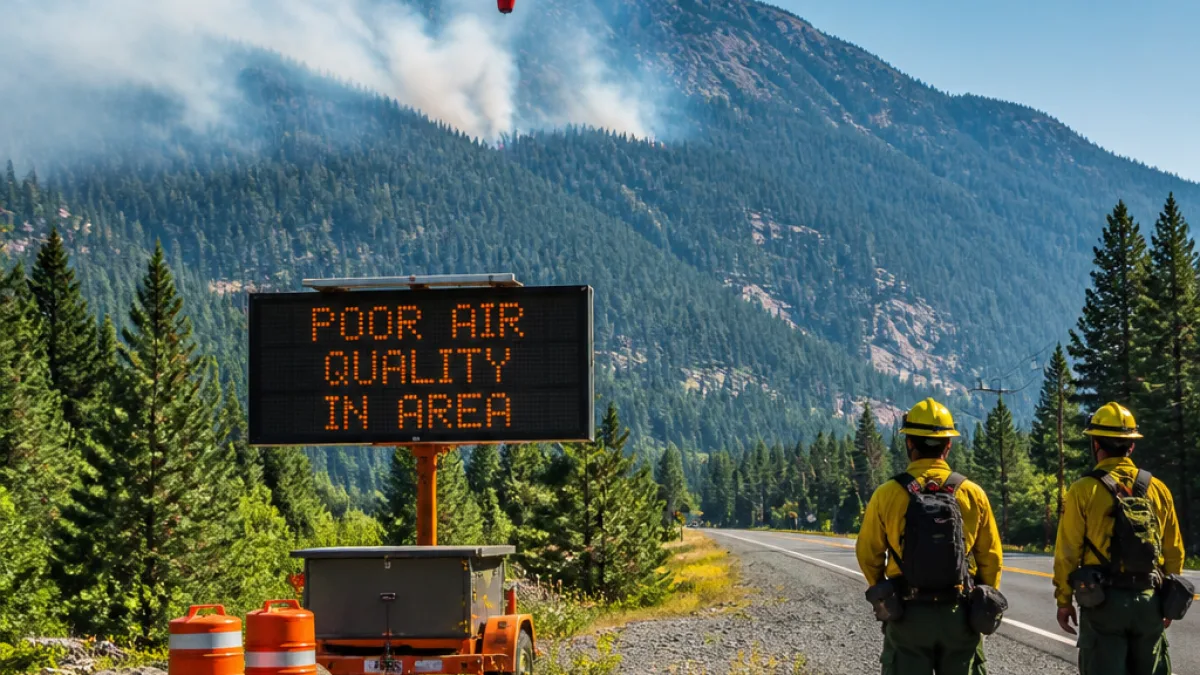
Environment Canada is advising British Columbians to prepare for degraded air quality in the days ahead, even as wildfire crews report progress on a blaze north of Whistler. The Signal Hill wildfire near Pemberton, first detected on July 15, has been reclassified to “being held”, a status indicating it is not expected to expand beyond its current perimeter.
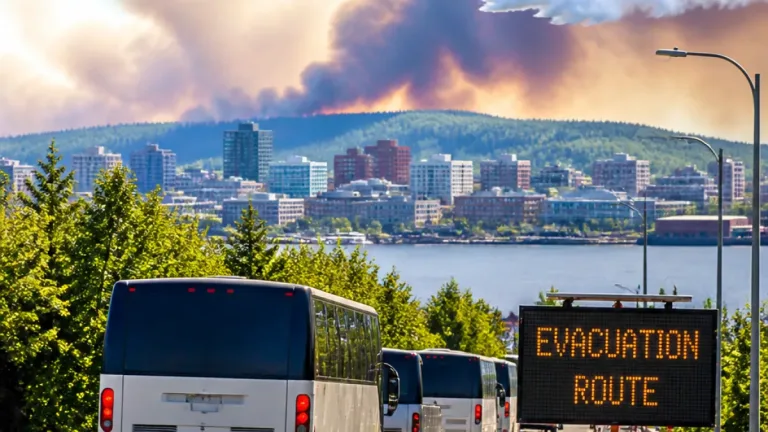
The Village of Pemberton has lifted its evacuation alert, saying the immediate threat has eased. However, authorities maintain an evacuation order for an area south of the community to support ongoing firefighting operations. The BC Wildfire Service (BCWS) estimates the fire’s footprint at just under 1 square kilometre.
More than 100 fires burning as conditions remain dry and warm
While the local situation at Pemberton has stabilized, provincewide fire activity remains elevated. BCWS reported 107 active wildfires on Sunday, with 770 wildland firefighters engaged. The southern Interior carries the highest concentration of activity, and officials warn that dry, warm weather is likely to fuel new starts.
As of Sunday, 48 fires were classified as out of control. Two large incidents continue to challenge crews near Boston Bar in the Fraser Canyon: the Brunswick Creek fire at approximately 40 square kilometres and the Ainslie Creek fire near 160 square kilometres. Evacuation orders remain in place for Boston Bar and surrounding areas in the canyon.
Evacuation orders and alerts across multiple regional districts
Displacement continues across the province as communities respond to changing fire behaviour. BCWS reported 401 evacuees receiving support, with 580 properties under evacuation orders and just under 1,800 properties on evacuation alert as of Sunday.
- In the Thompson-Nicola Regional District (TNRD), the alert for 12 properties along Green Lake northeast of 70 Mile House has been lifted. The district lists two evacuation orders in effect, including one tied to the Fiftynine Creek Wildfire that impacts 131 properties, along with four evacuation alerts.
- The Fraser Valley Regional District, which encompasses the Boston Bar area, reports four evacuation orders.
- The Cariboo Regional District notes one evacuation order and two alerts.
Smoke expected to travel despite progress on key fires
Environment Canada’s air-quality statement signals the potential for lingering smoke across parts of B.C., including communities far from active fire perimeters. The agency’s outlook aligns with BCWS messaging that, although some incidents are stabilizing, cumulative smoke from widespread activity will affect visibility and respiratory comfort in certain regions.
Residents should continue to follow regional emergency updates and be prepared for shifting conditions. Those under evacuation orders are required to leave and follow instructions from local authorities, while people on alert should ensure they can move quickly if conditions deteriorate.
Current wildfire snapshot
| Indicator | Latest figure |
|---|---|
| Active wildfires (provincewide) | 107 |
| Out-of-control fires | 48 |
| Wildland firefighters deployed | 770 |
| Evacuees receiving support | 401 |
| Properties on evacuation order | 580 |
| Properties on evacuation alert | <1,800 |
| Signal Hill wildfire size | <1 km² |
| Brunswick Creek wildfire size | 40 km² |
| Ainslie Creek wildfire size | 160 km² |
What residents should know
With smoke impacts forecast to persist and significant fire activity continuing in the southern Interior and Fraser Canyon, communities are urged to stay informed through official channels. Air quality may fluctuate as winds shift, and sensitive groups—such as children, older adults and people with pre-existing respiratory conditions—may feel effects more acutely.
Local governments and BCWS continue to coordinate firefighting efforts and public safety measures, including targeted evacuation orders and alerts to facilitate suppression work. Officials underscore that, even when a fire is reported as being held, crews remain active on the ground to reinforce containment and respond to changing weather.