Heat wave expected to build over southern Manitoba
Southern Manitoba is heading into a stretch of extreme heat, with conditions expected to intensify over the coming days across Winnipeg and neighbouring communities. While detailed forecast values were not provided in the initial advisory, the signal is clear: daytime highs and overnight temperatures are poised to climb, pushing heat and humidity to levels that can strain health, infrastructure and essential services.
Extreme heat events are among the most dangerous weather hazards in the Prairies. Prolonged hot spells can elevate the risk of heat-related illness, particularly when overnight temperatures remain warm and buildings do not cool adequately. Residents who are older adults, very young children, those with chronic medical conditions, outdoor workers, and people living without reliable access to cooling are most vulnerable during multi-day heat episodes.
What this means for daily life and services
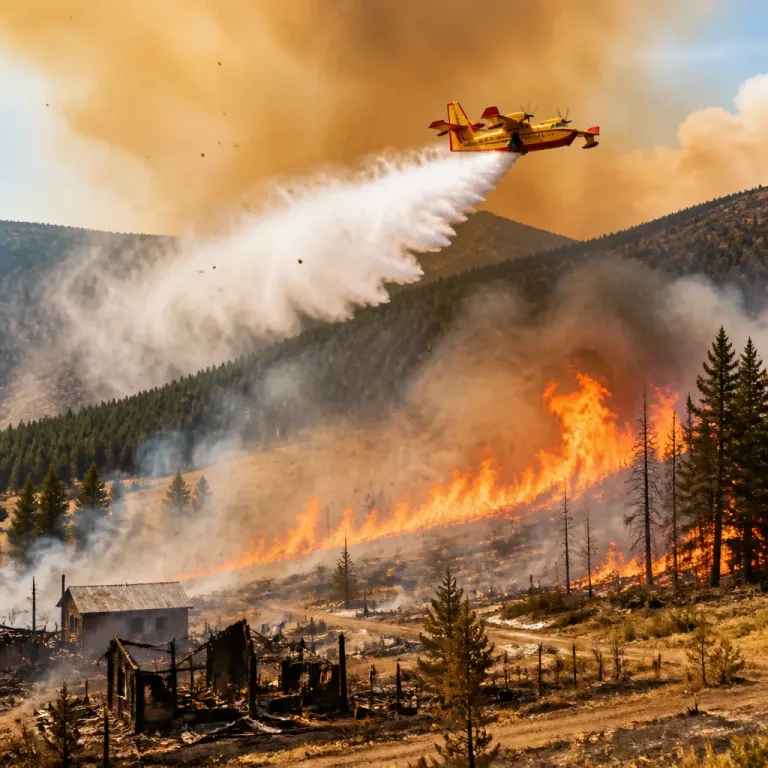
Hot, stagnant air can worsen air quality, especially if regional wildfire smoke drifts into the province, and can add stress to the electrical grid as demand for cooling rises. Even routine errands and commuting can feel more taxing. Outdoor events, sports and work shifts may require schedule changes, additional breaks, and ready access to water and shade.
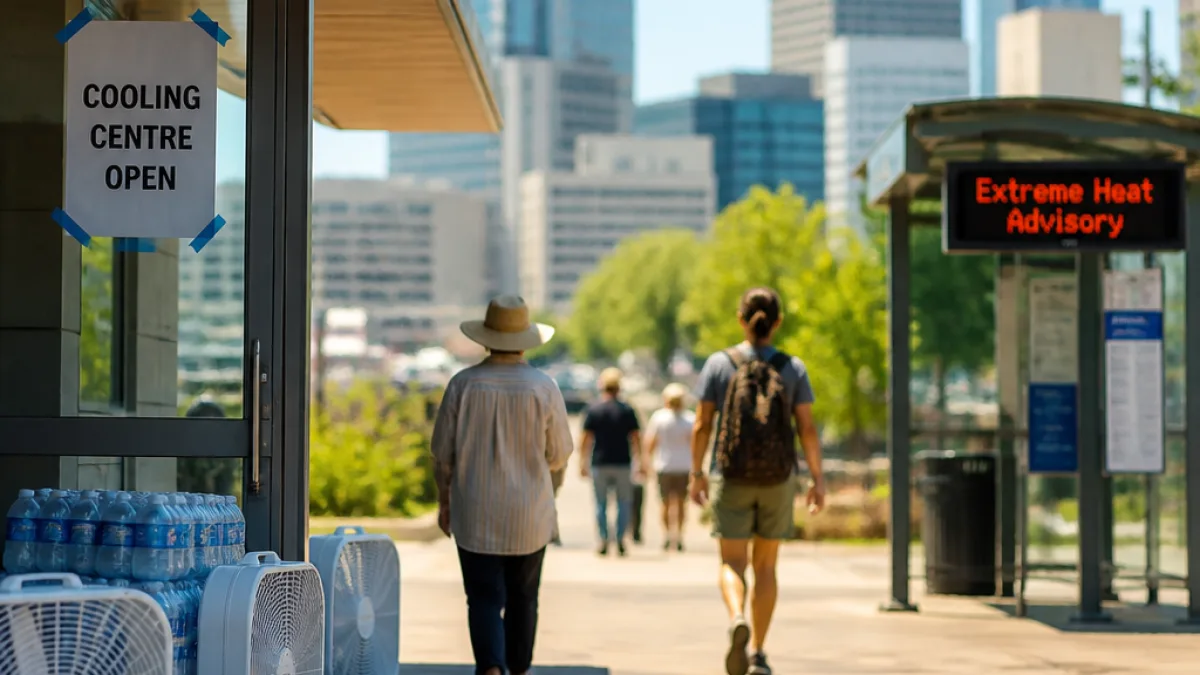
Municipalities in Manitoba commonly adjust operations during heat waves, for example by modifying outdoor program hours or stepping up outreach to people experiencing homelessness. Residents should watch for updates from local authorities and service providers on any temporary measures or changes to city services.
How to prepare before temperatures peak
- Make a cooling plan: Identify a cool space you can access during the hottest hours, whether at home, a friend’s place, a public facility or a shaded outdoor area.
- Hydrate early and often: Drink water regularly; avoid excessive alcohol and high-caffeine drinks that can worsen dehydration.
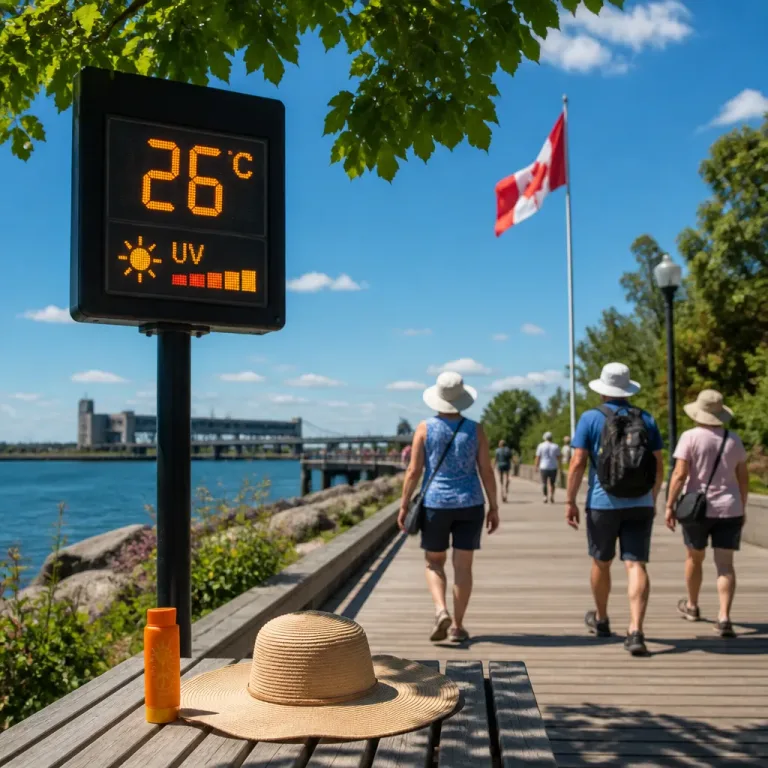
- Limit midday exposure: If possible, schedule outdoor activities for early morning or evening and take frequent breaks in shade.
- Check on others: Keep in regular contact with older relatives, neighbours and anyone living alone or without air conditioning.
- Keep homes cooler: Close blinds/curtains during the day, use fans to move air, and reduce indoor heat sources by limiting oven or stove use.
- Know heat illness signs: Watch for heavy sweating, dizziness, headache, nausea and fatigue. Seek immediate medical help for confusion, fainting, very hot/dry skin, or a rapid, strong pulse.
Who is most at risk
| Group | Why risk is higher |
|---|---|
| Older adults | Reduced ability to regulate body temperature; possible chronic conditions or medications |
| Infants and young children | Body temperature rises faster; rely on caregivers for cooling and hydration |
| People with chronic illnesses | Heart, lung or kidney disease can worsen in heat; some medications affect sweating |
| Outdoor workers & athletes | High exertion in hot, sunny conditions increases dehydration and heat stress |
| People without adequate cooling | Homes can retain heat overnight, preventing recovery from daytime highs |
Travel and event considerations
Those planning trips across southern Manitoba should build in extra time, carry water, and consider vehicle readiness. Inside cars, temperatures rise quickly; never leave children or pets unattended, even briefly. Event organizers may wish to add shaded areas, misting stations and water stations, and encourage lighter workloads for staff and volunteers when heat peaks.
Stay informed
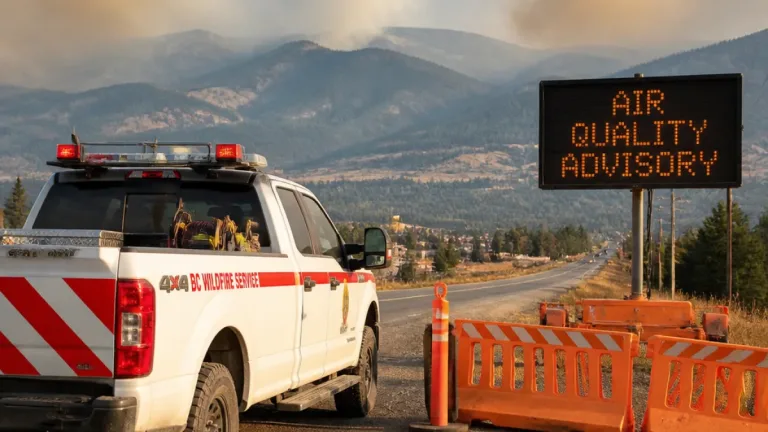
Heat alerts can be issued and updated frequently as conditions evolve. Keep an eye on official weather statements, local municipal notices and transit updates. If smoke intrudes during the heat event, air quality advisories may also be posted. Pairing both kinds of alerts can help residents adjust their day-to-day routines safely, especially for those with respiratory conditions.
Southern Manitoba’s communities are accustomed to summer swings, but this period of persistent heat will require extra care. Planning ahead—checking in on neighbours, preparing cool spaces and staying hydrated—will go a long way to reducing risk until temperatures ease.