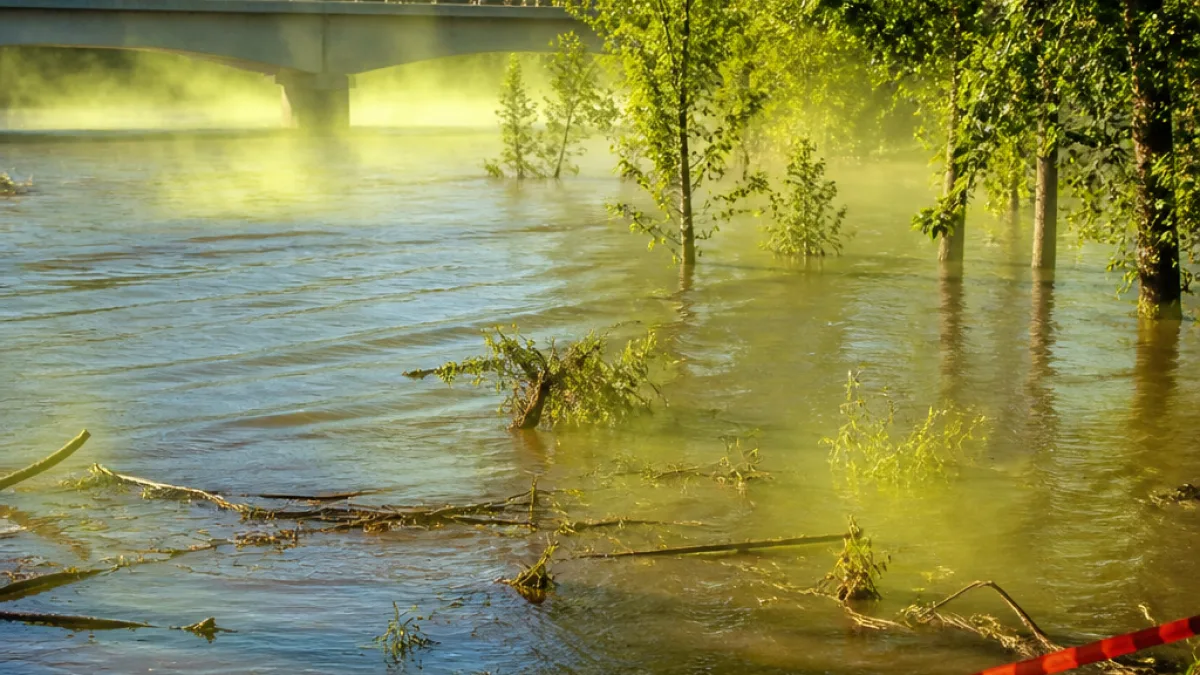
Residents across St. Albert reported a sulphurous, sewer-like smell on Monday, July 13, which city officials now attribute to decaying vegetation along the flooded banks of the Sturgeon River.
What's producing the smell
Melissa Logan, the city’s senior natural asset specialist, confirmed the odour came from organic material — dirt, trees, grasses and shrubs — that has been submerged by weeks of high water. The material is undergoing anaerobic (oxygen-free) decomposition, a process that produces hydrogen sulphide, the gas commonly described as smelling like rotten eggs.
“The smell diminished as wind blew those gases away,” the city reported when discussing the source and dispersal of the odour.
River levels and flow
City and provincial measurements show the Sturgeon River remained well above typical levels in July. Water at a local gauge peaked at 3.01 metres on July 4 and had fallen by mid-July, while Alberta Environment reported a level of 2.63 metres at the Perron Street Bridge early on July 15.
| Measure | Value |
|---|---|
| Peak level (July 4) | 3.01 m |
| Perron Street Bridge (July 15) | 2.63 m |
| Flow (early July 15) | 18.4 m³/s |
| Historic average flow (that date) | 1.88 m³/s |
How this compares to past floods
Regan LeFebvre, the city’s senior manager of utilities, said the river is higher than during the 2018 and 1982 floods but remains below the 1972 event. He noted this year's timing — with deep water in June and July rather than the spring melt — makes it an unusual flood for the community.
Local impacts and precautions
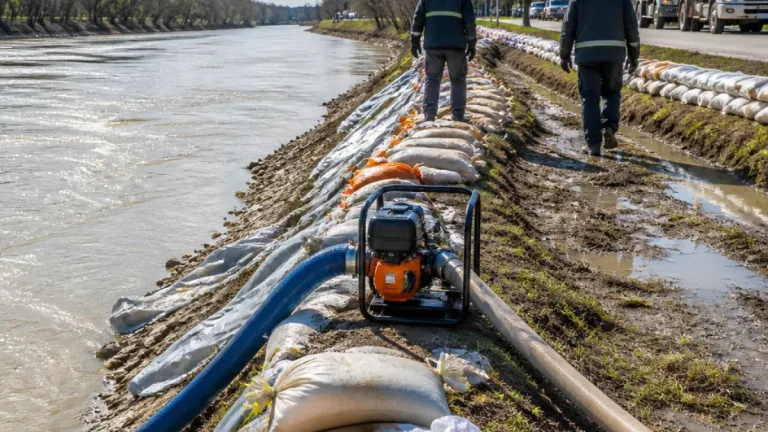
LeFebvre said St. Albert is still seeing water draining from Big Lake and upstream wetlands into the Sturgeon, resulting in elevated flows and flooded underpasses. City staff warned of hazards and potential infrastructure damage while the river remains high.
- Officials are discouraging people from getting out on the water because of faster flows and hidden hazards such as benches and submerged trees.
- The extended flood could topple trees, tilt lampposts and crack trails along the riverbanks once waters recede sufficiently to reveal undermining.
- It may take weeks for the river to return to typical levels, assuming no further heavy rain.
City officials say the odour has been largely transient, dissipating as winds disperse the gases. They reiterated that the primary concern remains public safety around the swollen river and the potential for damage to natural and built assets along its banks.