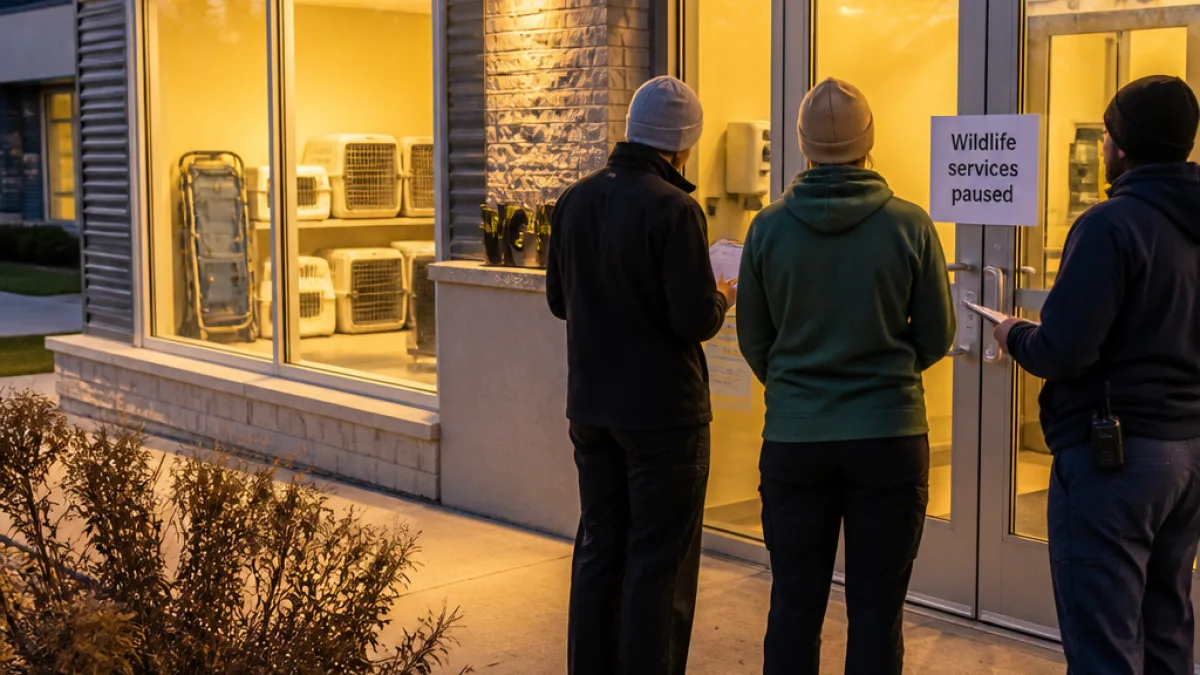
The Western College of Veterinary Medicine (WCVM) at the University of Saskatchewan has announced an indefinite pause in its clinical service for treating wild animals, a move that will take effect on July 22 and has prompted immediate concern among students and wildlife rehabilitation groups.
Service pause cited as part of review
A university spokesperson confirmed the Veterinary Medical Centre — the teaching clinic associated with the WCVM — will stop providing treatment to wildlife while the college conducts a review of the program. University officials said the current program is not sustainable and pointed to funding as a contributing factor.
The clinic’s decision affects a range of wildlife patients routinely admitted by rehabilitators and members of the public, from small mammals to birds. The announcement also raises questions about the practical training available to veterinary students who rely on wildlife caseloads to develop skills in wildlife medicine.
Student concerns about future of wildlife medicine
One WCVM student, who relocated to Saskatoon to gain hands‑on experience treating wild animals, said the suspension threatens the continuity of training in an area of medicine that already has limited opportunities. The student said wildlife cases are vital for learning skills not commonly encountered in companion‑animal or large‑animal rotations.
“Dogs, cats, horses, cows — they're the big things. It's really important to me that these little creatures and the ones that are just kind of living in our province have someone to support them and care for them,” the student told CBC News.
Practical impacts across the province
Wildlife rescue groups that have partnered with the Veterinary Medical Centre to care for injured or orphaned animals will need to find alternative veterinary partners. That could mean longer transport times for animals in distress and increased pressure on clinics that continue to see wildlife, many of which lack the capacity or special equipment of a teaching hospital.
- Immediate pause date: July 22.
- Affected parties: WCVM students, wildlife rehabilitators, members of the public with injured wildlife.
- Primary stated issue: sustainability of current program, with funding noted as a factor.
Where to seek care and what to expect
Members of the public who encounter injured wildlife should contact local approved wildlife rehabilitators or animal control services for guidance. Rehabilitation societies often coordinate transport and triage, but availability varies by region. The university did not provide an estimated timeline for the review or indicate when wildlife services might resume.
| Item | Details |
|---|---|
| Institution | Western College of Veterinary Medicine, University of Saskatchewan |
| Clinic | Veterinary Medical Centre |
| Status | Wildlife treatment paused indefinitely (effective July 22) |
The pause underscores broader challenges facing wildlife veterinary services in the province, including funding and capacity constraints. For students and rehabilitation groups, the development signals a period of uncertainty for wildlife medicine training and frontline care in Saskatchewan.
As the WCVM conducts its review, stakeholders have called for clear timelines and consultation with student groups and wildlife organisations to minimise disruption to both animal care and veterinary education.