Washington escalates pressure on Havana over detentions
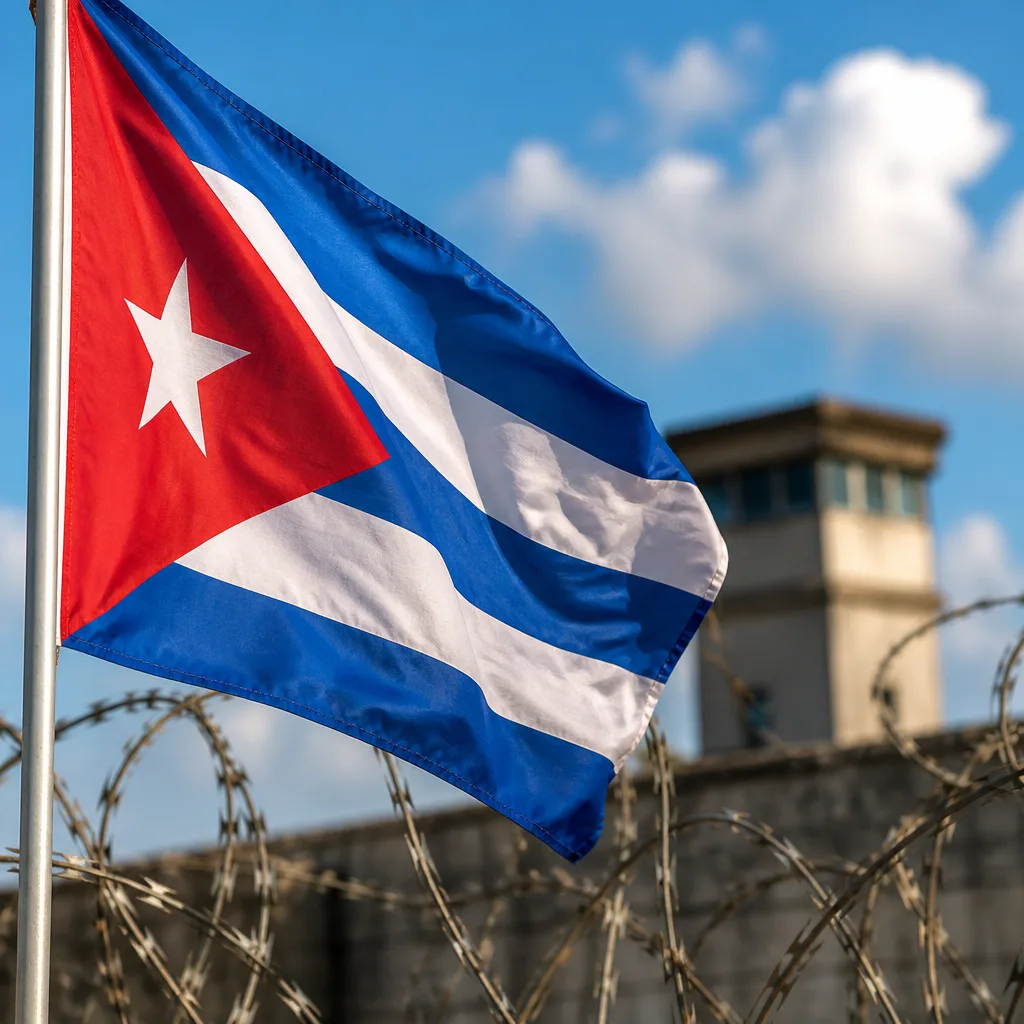
The United States on Saturday urged Cuba to free more than 700 people it describes as political prisoners, issuing the call as prominent dissident artist Luis Manuel Otero Alcántara arrived in Miami after spending five years in custody on the island.
In a statement confirming the artist’s entry to the U.S., Secretary of State Marco Rubio linked the development to a broader appeal for releases from Cuban jails. The message signalled Washington’s intention to intensify pressure on Havana over human rights amid renewed attention to civic freedoms in the region.
“We call for the immediate release of the more than 700 unjustly detained political prisoners held by the regime.”
The statement framed the detentions as part of a systemic crackdown and urged other governments and institutions to support coordinated pressure on Cuba. Rubio added a call for sustained international engagement rather than episodic statements of concern.
“The international community must stop turning a blind eye to the human rights abuses of the Cuban regime and join us in demanding an end to their repression.”
Symbolic return to the spotlight for Cuba’s dissident movement
Alcántara’s arrival in Miami marks the re-emergence of one of Cuba’s best-known dissident artists on an international stage. His relocation, following a five-year imprisonment, is likely to galvanize networks of rights advocates and diaspora groups that have long publicized cases of detainees and restrictions on expression inside Cuba.
While details of his release and travel were not outlined in the U.S. statement, his case has previously drawn sustained attention from cultural figures and rights defenders abroad. His presence in the United States will enable more direct engagement with policymakers, civil society and media, potentially adding momentum to ongoing calls for accountability.
Policy context and diplomatic implications
Washington’s renewed focus underscores a familiar pattern in inter-American relations: human rights treatment in Cuba remains a durable point of friction shaping bilateral and multilateral agendas. The explicit reference to more than 700 detentions sets a benchmark that U.S. officials and international partners may use to assess progress or deterioration in the months ahead.
The U.S. appeal also invites a response from regional organizations and allied governments, particularly those that have taken positions on civil liberties and due process in the Americas. Whether this produces coordinated statements, targeted measures, or new forums for dialogue will help determine the next phase of engagement.
What to watch next
- Whether Cuban authorities address international calls by providing information on detainees or moving to release any of those held.
- Potential follow-up by other states or multilateral bodies echoing the U.S. position or proposing monitoring mechanisms.
- Public advocacy by Alcántara and rights groups, and any resulting diplomatic back-and-forth between Washington and Havana.
The convergence of a high-profile dissident’s arrival and a sharpened U.S. message places Cuba’s detention practices under a brighter spotlight. How Havana, regional allies and international institutions react will shape the scope and tempo of the issue on the hemispheric agenda.
Key details at a glance
| Actor | Action | Notable Detail |
|---|---|---|
| U.S. Secretary of State Marco Rubio | Urged releases | More than 700 political prisoners referenced |
| Luis Manuel Otero Alcántara | Arrived in Miami | After five years in Cuban prison |
| International community | Called upon to respond | Urged to demand an end to repression |