The 2026 World Cup has delivered high drama on the field, but many of the tournament’s loudest headlines have come from beyond the touchline. A series of contentious visa decisions, contentious VAR interventions and political circumstances have forced FIFA into the role of arbiter off the pitch as much as on it.
Referee denied entry, firsts put on hold
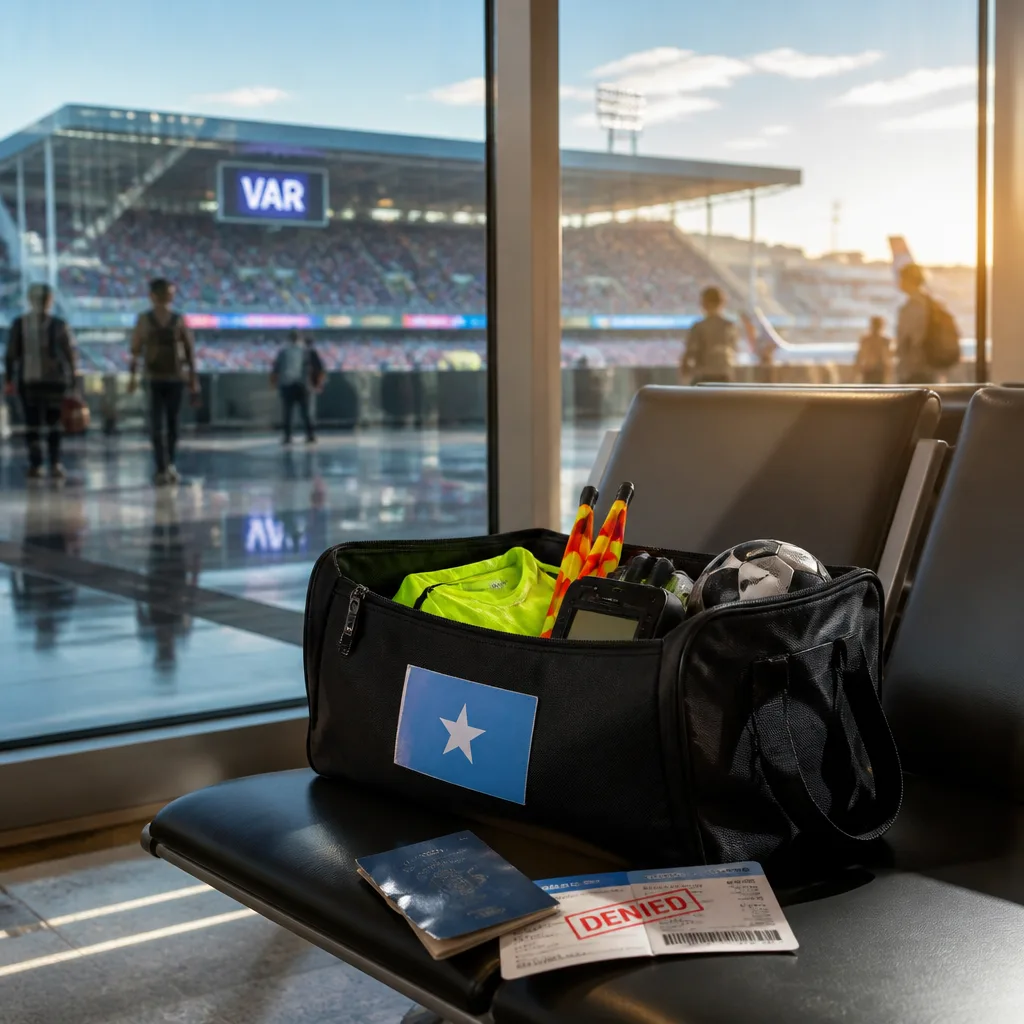
Before a ball was kicked in the tournament, Somalian referee Omar Artan was refused entry to the United States under a travel ban enacted in 2025. The decision prevented Artan—who would have been the first referee from Somalia to officiate at a World Cup—from taking part. He returned home and was greeted by supporters and officials, while FIFA later confirmed it had paid him in full.
“we don't control everything,”
FIFA president Gianni Infantino pointed to the host nation’s responsibility for visa matters, underscoring the limits of FIFA’s reach even as the organisation moved to address the fallout.
Teams reshuffle bases amid diplomatic tensions
Geopolitical conflict also tightened its grip on the event. The Iran national team, competing in a World Cup staged in the United States while that country was involved in active hostilities with Iran, altered logistics amid concerns about entry. Initially planning to base in Arizona, Iran relocated its camp to Tijuana, Mexico, citing worries about obtaining U.S. visas. Although most players and staff ultimately gained entry to both countries, several coaches and support personnel had visa applications denied.
Those disruptions blurred the line between sport and statecraft, forcing teams to weigh safety, preparation and the optics of travelling to host venues in the shadow of international conflict.
VAR and officiating controversies add fuel
On the pitch, video assistant referee reviews continued to generate debate. Frequent and contentious VAR interventions left fans and pundits questioning both timing and consistency of key decisions throughout the tournament. The cumulative effect of off-field visa disputes and on-field VAR headlines produced an environment where administrations and referees faced intense scrutiny alongside players.
- Visa refusals: Omar Artan denied entry; some Iran staff granted or denied visas.
- Team relocations: Iran shifted its base from Arizona to Tijuana over entry concerns.
- VAR scrutiny: Repeated, controversial reviews stirred debate about refereeing standards.
| Issue | Effect |
|---|---|
| Visa restrictions | Key officials and staff prevented or delayed from attending |
| Geopolitical tensions | Teams altered bases and logistics |
| VAR decisions | Widespread debate over on-field calls |
FIFA’s repeated involvement in these matters has not shielded the tournament from criticism. The convergence of immigration policy, international politics and refereeing controversies has meant that for many observers the 2026 World Cup will be remembered as much for its off-field dramas as for the goals and upsets that unfolded in stadiums.
As the tournament progresses, organisers and national associations will face pressure to resolve logistical hurdles and to bring greater clarity to officiating processes. For supporters and participants alike, the hope is that the remainder of the event will tilt back toward the sport itself rather than the disputes orbiting it.