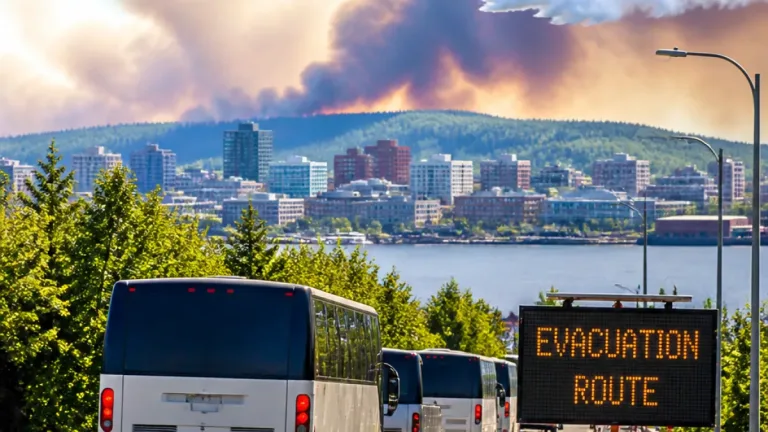

Advisory lifted, but skies still hazy over Waterloo
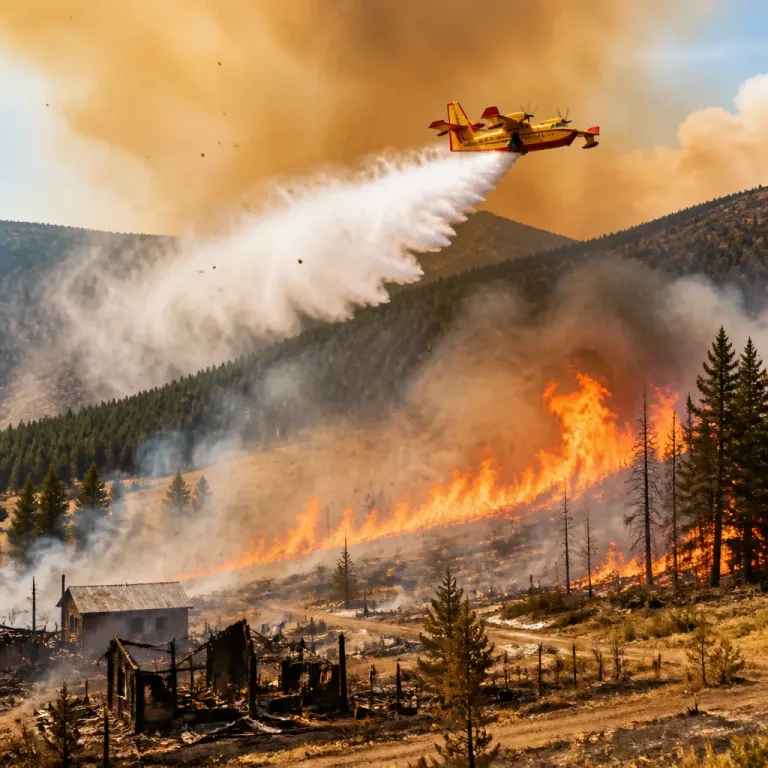
Waterloo Region is no longer under an air quality warning, according to coverage published Sunday, July 19, 2026. While the formal advisory has ended, a thin layer of haze remains across the local skyline, a reminder that regional conditions can shift quickly during an active wildfire season. Photos from late last week showed a persistent veil in the air over the region, and residents reported reduced visibility in some areas.
The end of the warning marks an improvement from the smoky conditions that settled over parts of southwestern Ontario earlier this month. However, the return to clearer air is not always linear in mid-summer, when distant wildfire smoke can drift in and out with changing winds. Residents planning outdoor activities have been resuming schedules, though health officials typically advise that people who are more sensitive to air pollution continue to watch for symptoms and make adjustments if needed.
What the change means for daily routines
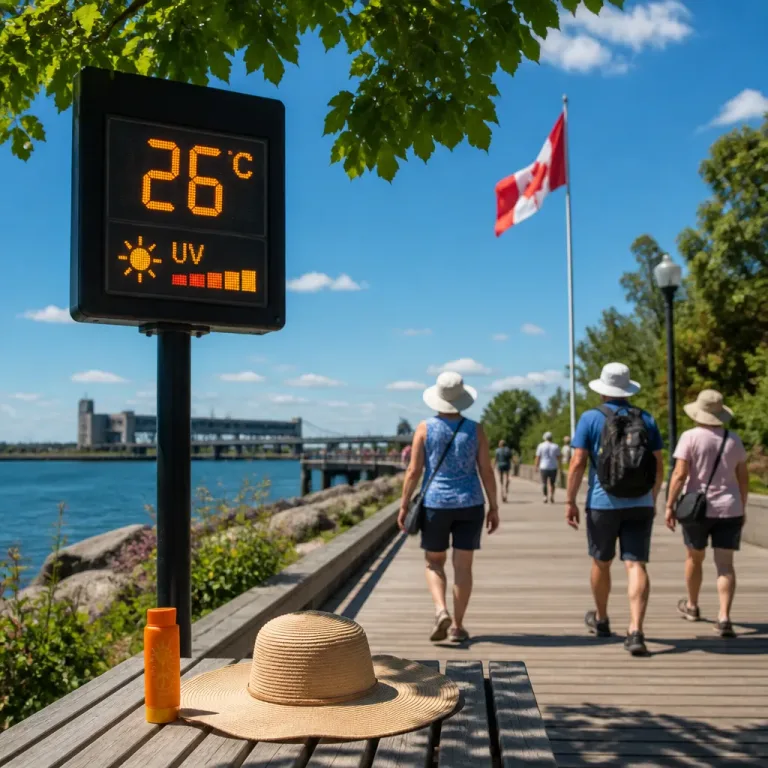
With the advisory lifted, schools, summer camps and recreational leagues can generally proceed with normal programming, and residents may feel more comfortable exercising outside. Even so, haze can still signal fine particles in the air that are not always visible at ground level. Families with young children, older adults and people living with asthma or other respiratory conditions often consider taking a gradual approach back to outdoor exertion after a poor-air episode.
- Outdoor activity: Consider lighter-intensity exercise until the haze fully clears.
- Indoor air: Keep windows closed during smoky periods and use clean air filtration where available.
- Self-monitoring: If you experience coughing, shortness of breath or eye irritation, reduce exposure and seek medical advice as needed.
Why haze can persist after a warning ends
Even when pollutant readings improve enough to remove an advisory, lingering haze can hang over the region due to smoke aloft or residual fine particles. Air quality can vary widely across short distances and time periods: one neighbourhood may see brighter, clearer conditions while another still looks dull or smells faintly of smoke. Local residents commonly notice these fluctuations most in the morning and evening when temperatures change and winds shift.
Transported smoke remains a feature of summers in Ontario, and Waterloo Region has not been immune. The cycle of elevated readings followed by rapid improvement can repeat several times during the season, depending on the location and intensity of fires elsewhere and the movement of weather systems across Central Canada.
Staying informed in Waterloo Region
Although the latest reports indicate the warning has ended for Waterloo Region, conditions can change quickly. Residents who are sensitive to smoke often rely on multiple sources to check the current situation before planning outdoor time. Local news updates and public health guidance provide useful context on whether the air is improving or trending back toward cautionary levels.
Public guidance around warnings typically urges residents to reduce strenuous outdoor activity while an alert is in place and to resume normal activity as air improves. When an advisory lifts but haze remains visible, cautious steps—shorter runs, more frequent breaks outdoors, and using indoor spaces with clean air—can help ease the transition.
What to watch for next
In the short term, Waterloo residents can expect improved comfort outdoors compared to earlier in the week. If winds shift or new smoke plumes reach southern Ontario, conditions could deteriorate again. Staying prepared—keeping an eye on updates and having a plan to scale back outdoor exertion—remains the most practical approach during the height of wildfire season.