Strong demand lifts industry revenues
Major airlines posted robust revenue gains this year as passengers returned in large numbers, a development that could ripple to travellers in Delta. According to industry reporting, carriers including United Airlines, Delta Air Lines, American Airlines, British Airways and Air Canada have benefited from steady demand, premium-cabin uptake and loyalty-program spending — all while grappling with elevated fuel and operating costs.
One data point underlines the scale of the rebound: United Airlines recorded a 16 per cent increase in second-quarter revenue, reaching US$17.67 billion. Others cited — Delta Air Lines, American, British Airways and Air Canada — also saw revenue momentum linked to fuller planes, higher revenue per seat and corporate travel activity. Even as geopolitical uncertainty and operational pressures persist, the revenue picture has brightened compared with recent years.
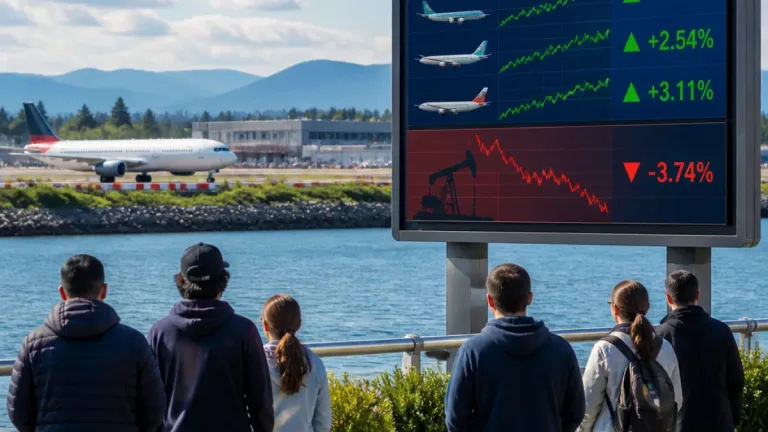
The airline industry is witnessing a powerful recovery wave in 2026
Costs remain a headwind
The same reports stress that expenses are rising. Fuel prices and other operating costs are weighing on profitability, forcing carriers to balance growth with discipline. Executives across the sector are contending with aircraft availability issues and scheduling complexity, which can influence capacity planning during peak seasons.
For local passengers, that cost squeeze may be felt in several ways. When fuel climbs, airlines typically look to protect margins through a mix of pricing actions, ancillary fees and route optimization. While the revenue upswing suggests airlines have room to invest in reliability and product, sustained expense pressure can shape the frequency of flights, the timing of service and the availability of discounted fares.
What this could mean in Delta
Residents who fly for work, school or family visits are entering a market where demand remains firm and premium travel continues to expand. That combination has supported stronger financials for the largest carriers named in the latest reports. At the same time, a tougher cost environment can nudge airlines to emphasize higher-yield seats and loyalty income, potentially affecting the mix of options available to price-sensitive travellers.
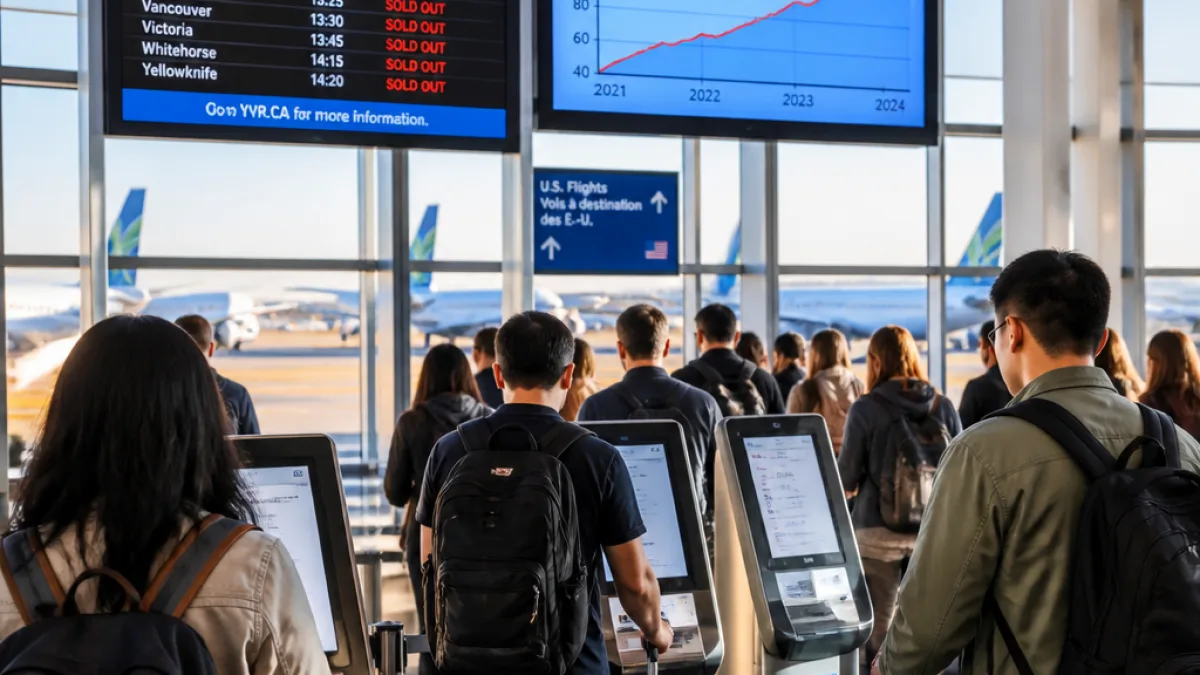
Travellers in Delta planning late-summer or fall trips should be prepared for variability: strong bookings can tighten seat supply on popular days, and operational constraints can limit last-minute additions. Monitoring fare trends, considering flexible dates and tracking loyalty-program offers may help navigate a market in flux.
At a glance: carriers cited and trends
| Carrier | Reported trend (Q2 2026) |
|---|---|
| United Airlines | Revenue up 16% to US$17.67B |
| Delta Air Lines | Stronger revenues amid demand and loyalty income |
| American Airlines | Revenue growth with premium-cabin strength |
| British Airways | Improved revenue performance with travel recovery |
| Air Canada | Revenue gains alongside corporate bookings |
How to plan around a shifting market
- Book earlier on high-demand routes and dates, as fuller flights can limit lower fares.
- Compare fare classes and change policies; flexibility can offset price volatility.
- Leverage loyalty points or companion offers where available, given the focus on premium and programme income.
For Delta residents, the headline is twofold: revenues are rising across leading carriers, signalling resilient demand, while cost pressures continue to test the industry’s ability to expand service affordably. That tension will likely define the travel experience through the remainder of the year, from pricing to schedule reliability.