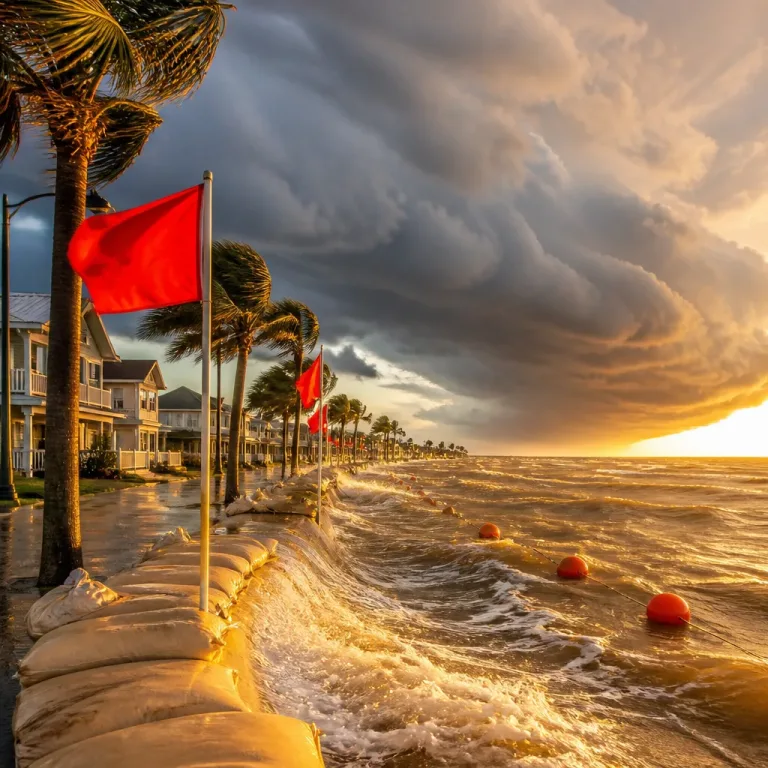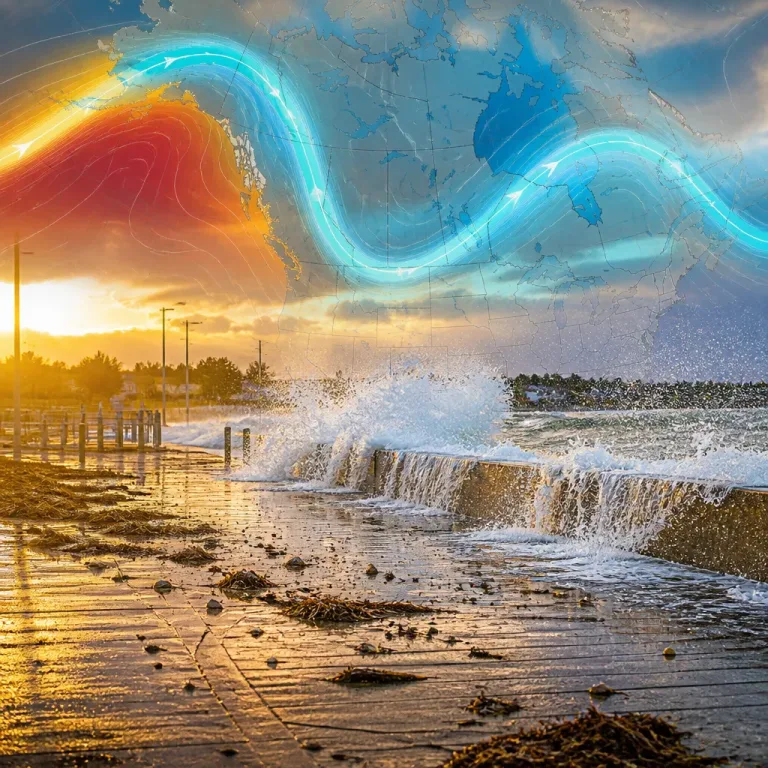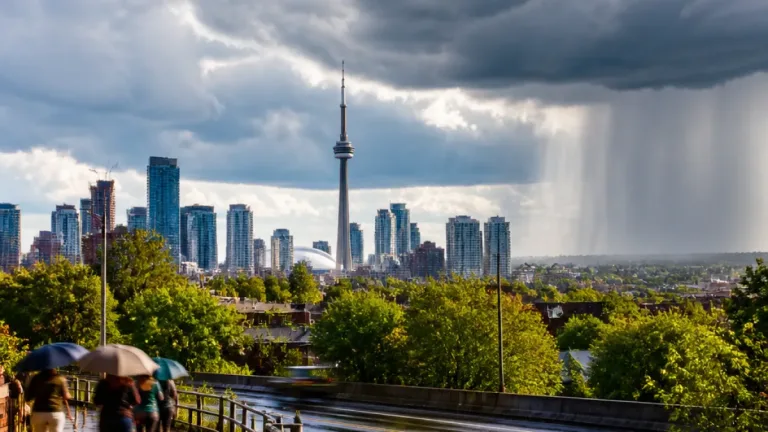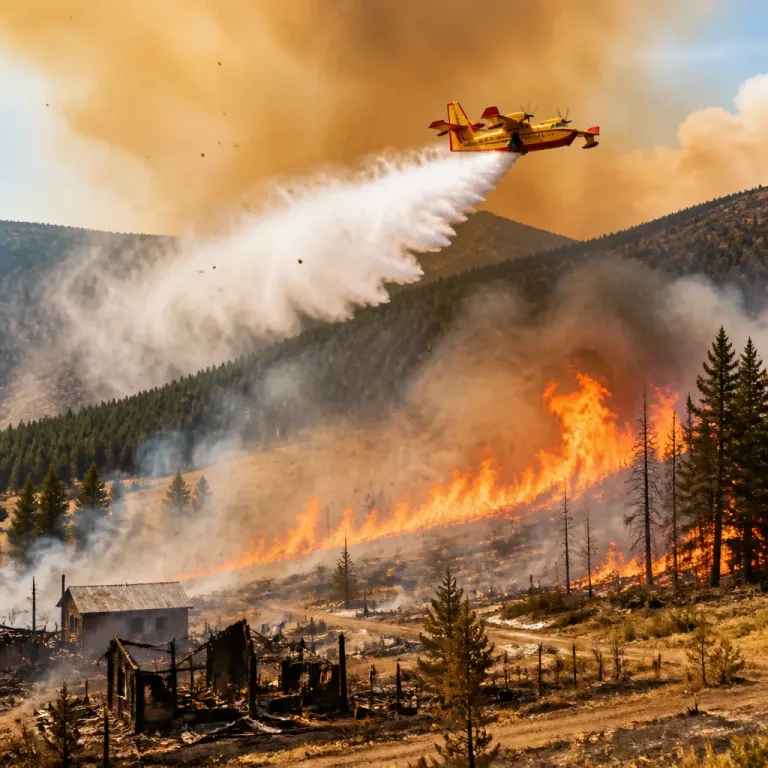
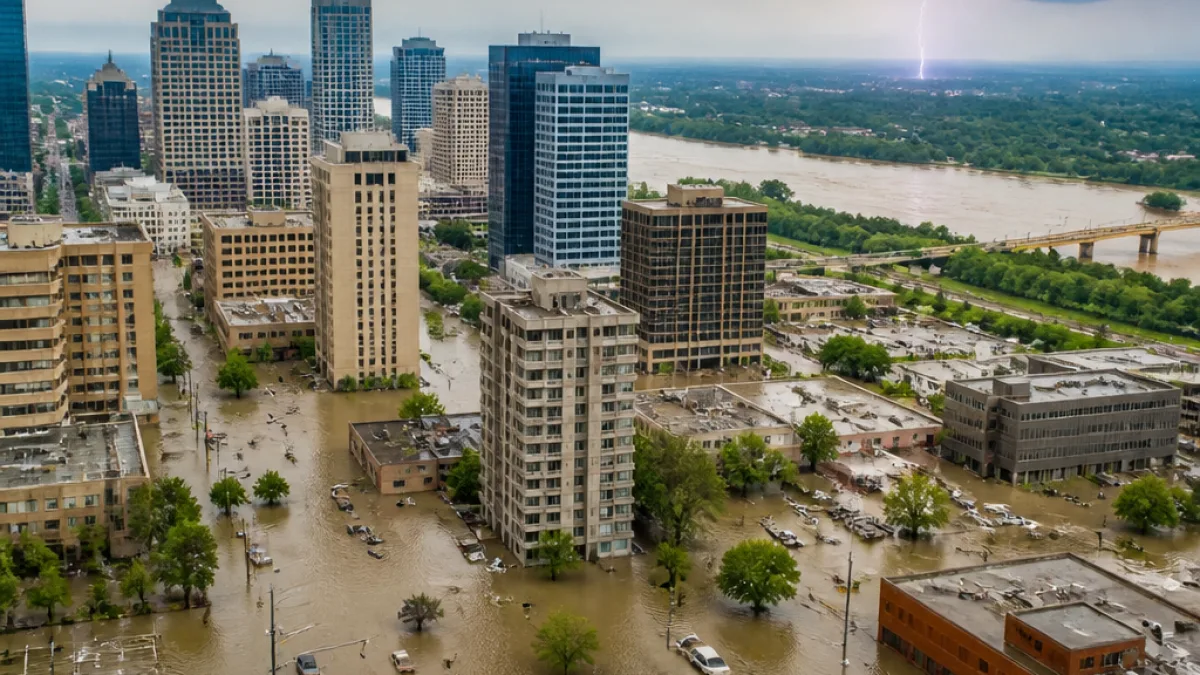
After several summers dominated by wildfire smoke, parts of Alberta are instead being hammered by storms and flooding this year. Environment Canada meteorologists say the pattern is an outlier from recent drier trends and has brought record rainfall to Edmonton and widespread severe weather across the province.
Record rainfall in Edmonton
Edmonton recorded 264 millimetres of rain in June, surpassing the previous monthly record of 216 millimetres set in 1914. Environment Canada reports about 360 millimetres of rain have fallen in June and July so far, placing the city on track to exceed a summer total record of 417 millimetres set in 1953.
| Period | Observed (mm) | Previous/record (mm) |
|---|---|---|
| June 2026 | 264 | June 1914: 216 |
| June–July 2026 (so far) | ~360 | Summer 1953 record: 417 |
“Alberta was actually on a kind of a trend of getting drier each year until this year. This year is kind of an outlier,”
— Dan Fulton, Environment Canada meteorologist.
Wider storm impacts and tornadic activity
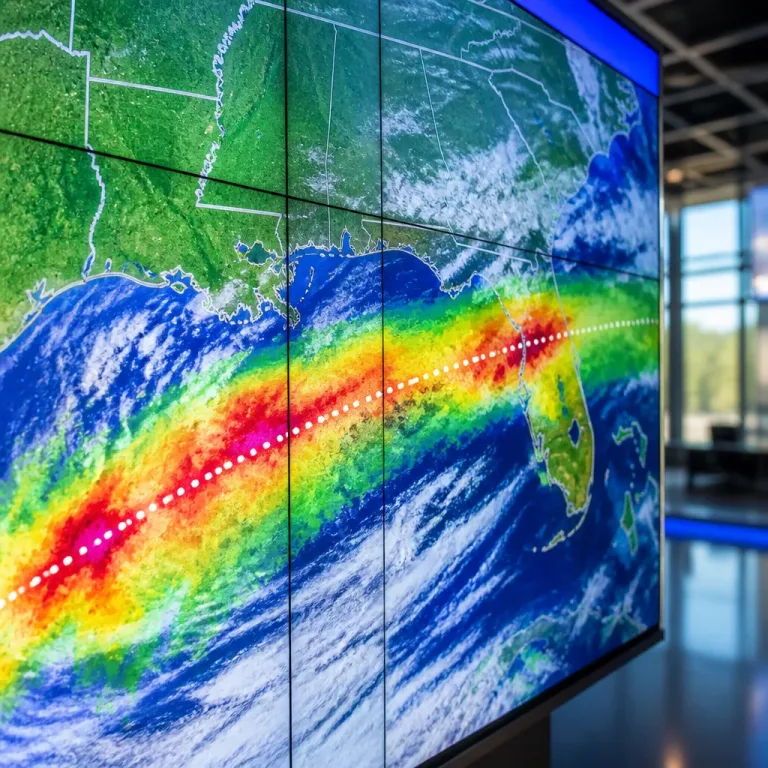
The province has also seen a marked increase in tornado reports. About 25 tornadoes have been recorded so far this year, compared with an average of roughly 16 tornadoes combined in Alberta and Saskatchewan in a typical year, according to Environment Canada. Meteorologists say the pattern of intense storms resembles what the American Midwest often experiences.
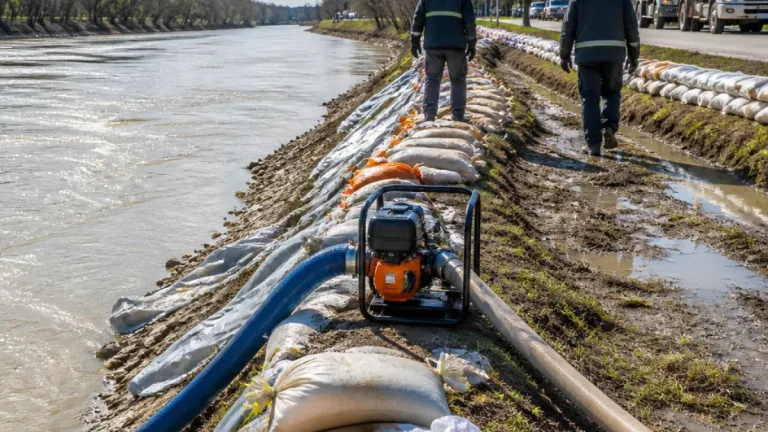
In the Edmonton area recent storms have flooded streets, brought down power lines and damaged recreational facilities. City officials temporarily closed several portions of the Yellowhead Trail after an early Wednesday storm produced floodwaters on the freeway.
The Telus World of Science in Edmonton announced it will remain closed likely until November after rainwater flooded the building last week. The organisation described that timing as a planning estimate rather than a confirmed reopening date and said it was exploring opportunities for a safe partial reopening earlier in the fall.
“This is a planning estimate, not a confirmed reopening date, and we continue to explore opportunities for a safe partial reopening earlier in the fall,”
— Telus World of Science website statement.
Daily life disrupted
Residents describe unfamiliar scenes of urban flooding. Angel Ryder said she bought rubber boots for the first time this year after abandoning her car when a downpour left water almost knee-deep on a city street. She said she had to carry her mother’s dog and that the animal was frightened.
“She was quite scared,”
Ryder added she is used to dealing with wildfire smoke at this time of year rather than wading through floodwaters.
What this means for the region
The shift toward stormier conditions this summer has immediate implications for municipal services, transportation and cultural facilities, and raises questions about planning for extreme precipitation events. Short-term needs include repairs to storm-damaged infrastructure and support for affected facilities. Residents should continue to heed municipal advisories on road closures and safety during heavy rain.
- Expect localized flooding and possible road closures during heavy downpours.
- Monitor municipal and Environment Canada alerts for severe-weather warnings and tornado watches.
- Take precautions around floodwater — avoid driving through standing water and follow guidance from local authorities.
Environment Canada will continue to monitor conditions as the province moves through July. The unusually wet start to summer follows years when smoke from nearby wildfires more commonly defined the season, signalling a volatile period for Alberta weather in 2026.