
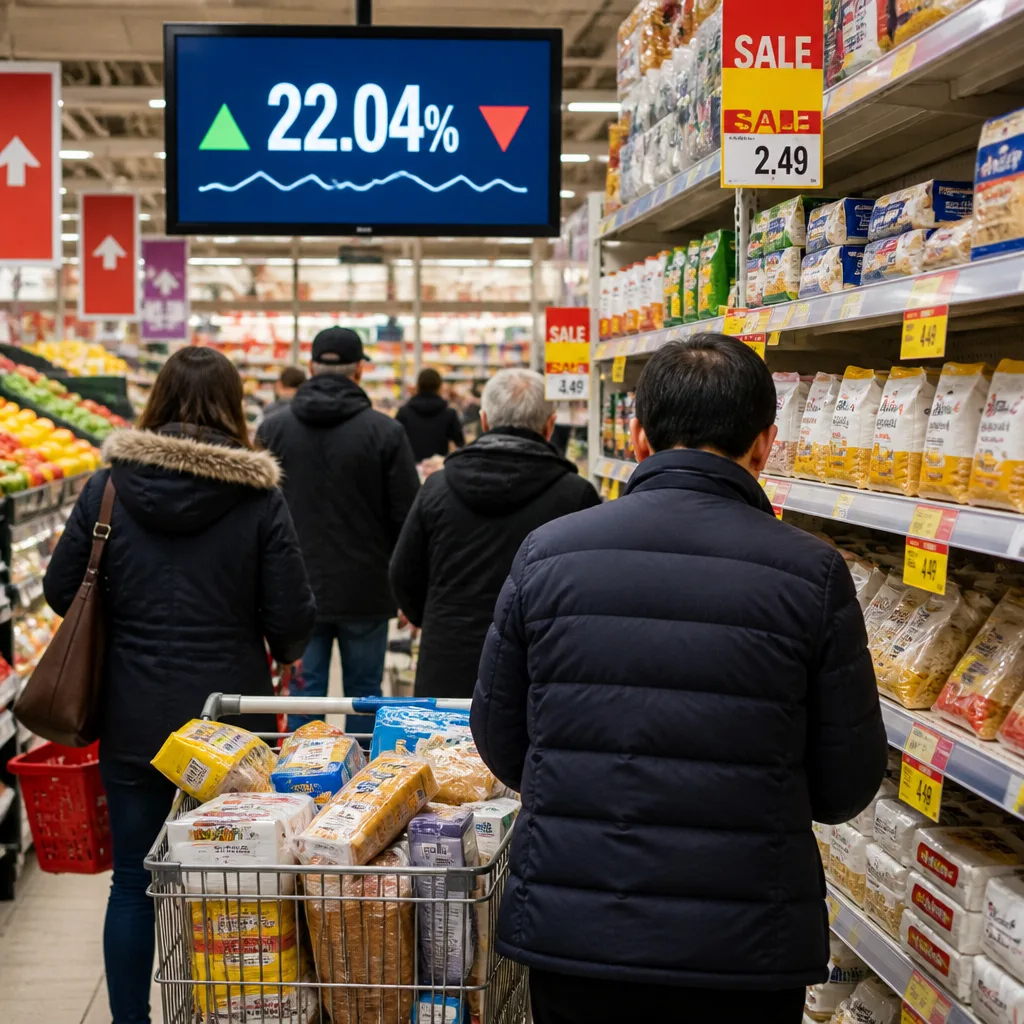
Canadians are devoting a growing slice of their disposable income to food, with the latest analysis from the Agri‑Food Analytics Lab showing households now spend 22.04% of take‑home pay on groceries and foodservice combined. That share places Canada at 10th among G20 countries and signals a meaningful shift in purchasing power and consumer behaviour.
Household budgets and shopping behaviour
The trend is not only about higher prices at the till; it reflects diminishing real purchasing power. A decade ago, Canada tended to compare more favourably against other advanced economies. Recent comparisons, however, indicate the proportion of income going to food has climbed, altering how people decide where and what to buy.
Retailers are already seeing the change. Consumers are visiting more stores, hunting prices and promotions, swapping name brands for private‑label alternatives and cutting discretionary grocery spending. The rise of the “value‑first” shopper means convenience, sustainability and even nutrition may be deprioritised when budgets tighten.
What it means for grocers and foodservice
- Greater price sensitivity: shoppers are more likely to compare offers and switch retailers.
- Stronger performance by discount banners: low‑price formats benefit as value becomes key.
- Increased demand for private‑label and promotions: brands that offer perceived value gain share.
For grocers, the shift requires tactical and strategic responses: sharper pricing strategies, expanded private‑label lines, targeted promotions and potentially revised assortment to match tighter household budgets. Foodservice operators face similar pressures as consumers reallocate spending between eating out and groceries.
International context
Among G20 peers, several advanced economies allocate a larger share of take‑home pay to food. The report lists countries ahead of Canada as Germany, France, Japan, Italy, the United States, Mexico and Australia. While methodologies for international comparisons vary, the direction is clear: food affordability is an increasing concern in Canada relative to many peers.
| Metric | Value |
|---|---|
| Share of take‑home pay spent on food | 22.04% |
| G20 rank | 10th |
That positioning should attract attention from grocery executives and policymakers alike. Rising food cost burdens can dampen consumer spending in other sectors and alter long‑term shopping patterns, with potential implications for retail formats, supply chains and inflation dynamics.
Broader implications
Ultimately, the data underline that affordability is not confined to lower‑income countries; it is a pressing issue for Canadians across the income spectrum. Retailers that adjust assortment, pricing and loyalty incentives to reflect the age of the strategic shopper will be better placed to retain customers. Likewise, coordinated efforts across the supply chain — from producers to manufacturers and retailers — will influence whether households regain purchasing power or continue to feel pinched.