Mapped area drops, fire status unchanged
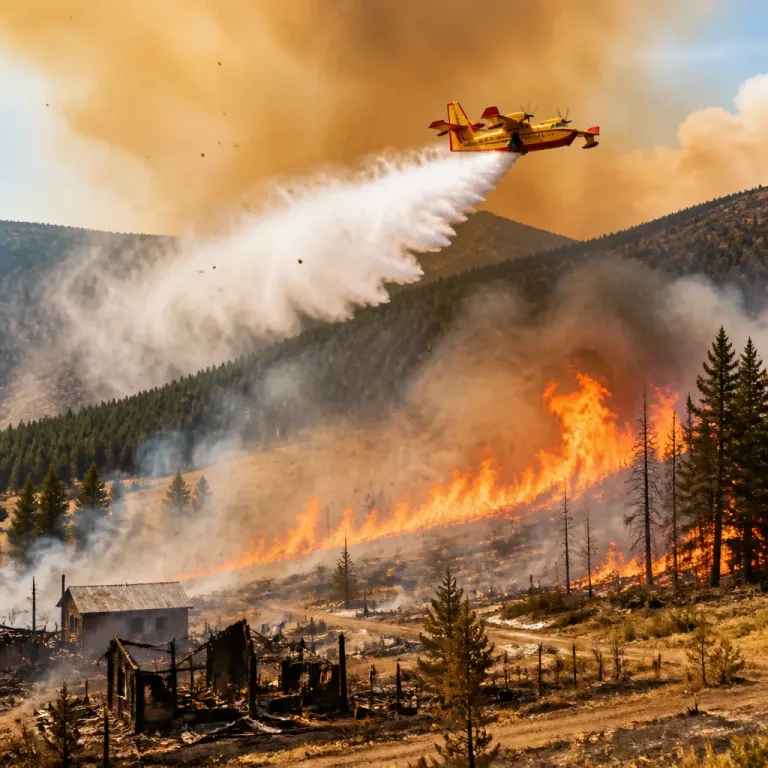
Nova Scotia’s wildfire on the province’s Eastern Shore continues to be classified as out of control, even as new mapping reduced its estimated size to under 1,400 hectares from a previous figure of 1,700 hectares, according to the Department of Natural Resources (DNR). Officials emphasized the change reflects improved measurements on the ground and from the air rather than a decisive shift in fire behaviour.
Jim Rudderham, DNR’s director of fleet and wildfire management, said visible flames and smoke have eased thanks to containment work, but the fire is not yet secured. Additional crews arrived Saturday, with the province preparing to bring in more personnel early next week if needed to tackle persistent hot spots.
“The fire is still over 1,000 hectares,” he said. “The planes help us keep the fire under control, but it’s the people [who are] going to put it out, and we will have to bring in more people to help.”
Safety update and resources on the ground
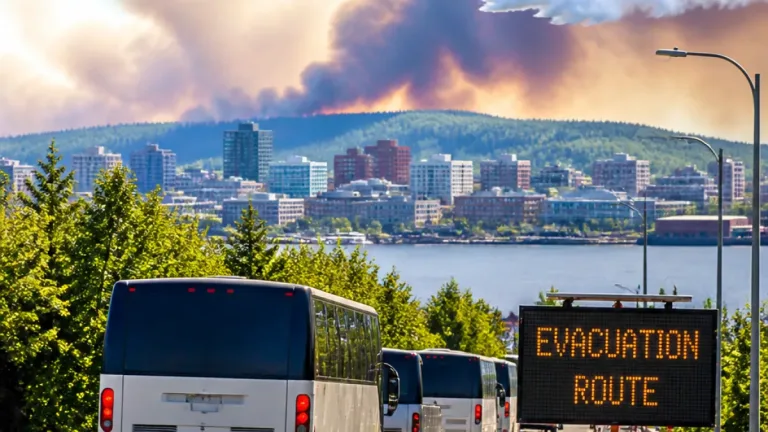
Rudderham said there have been no reported injuries and no known property damage associated with the blaze to date. He added that further evacuations are not anticipated at this time, barring sudden shifts in conditions.
Further evacuations are not expected “unless something drastic [changes] on the fire today,” he said.
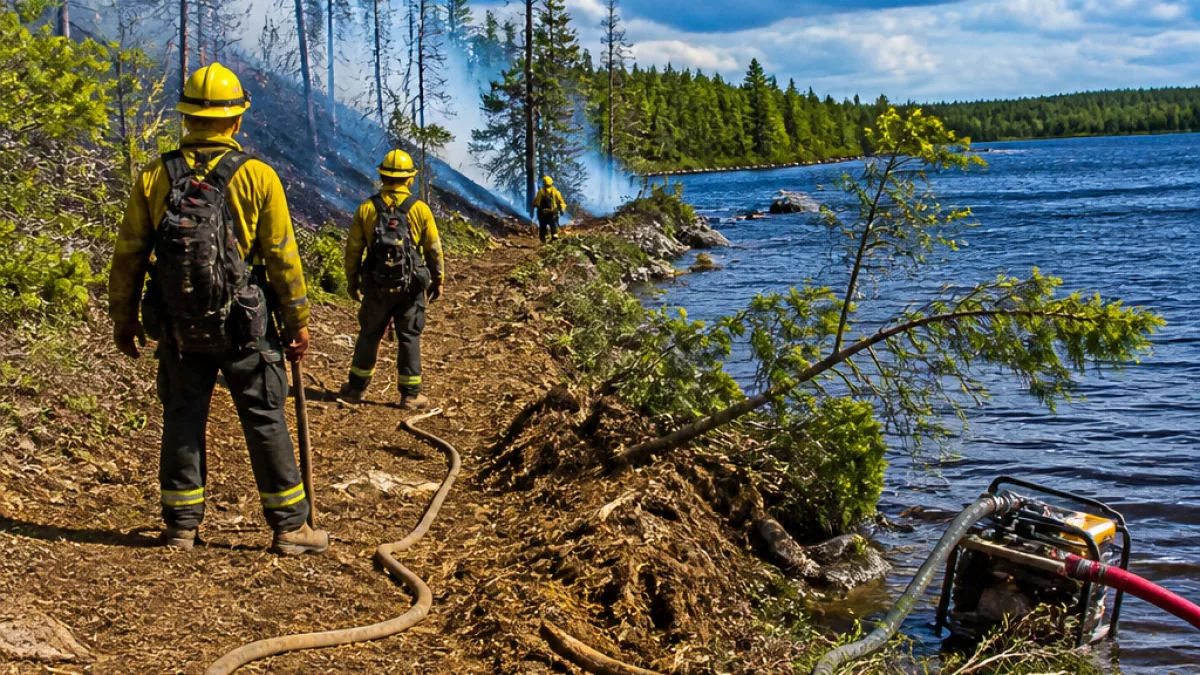
With air support continuing to cool the perimeter, the province is concentrating on ground operations to extinguish remaining heat. Firefighters are working systematically to locate and douse smouldering fuels, an effort that typically intensifies once perimeter growth slows and smoke thins.
What the numbers show
| Measure | Latest update |
|---|---|
| Estimated size | Under 1,400 hectares (down from 1,700 ha) |
| Status | Out of control |
| Injuries reported | None |
| Property damage | None reported |
| Resourcing | Extra crews on scene; more possible early next week |
Rain in the forecast — and what it could mean
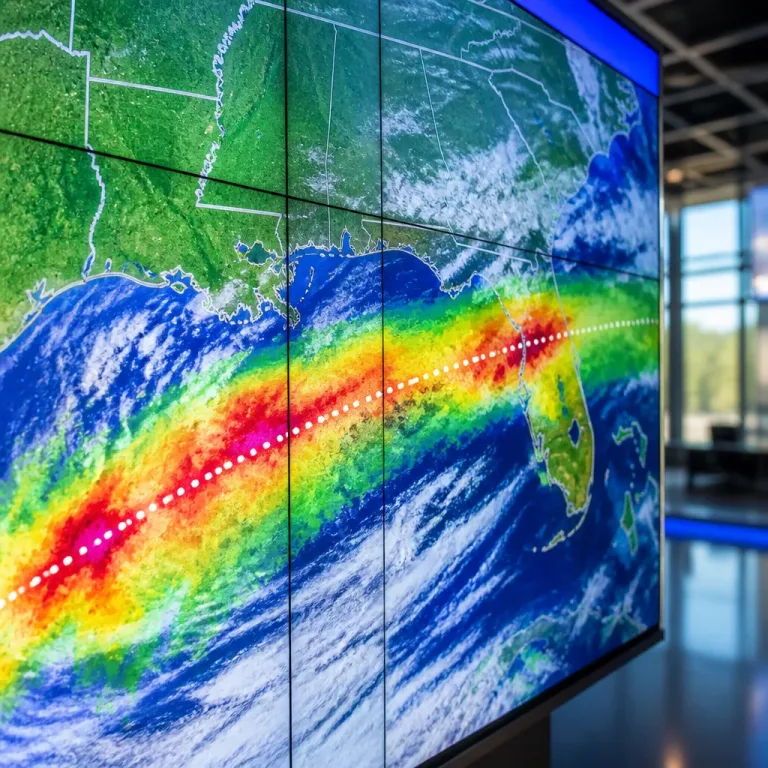
Crews remain cautiously optimistic as forecasters call for rain late Saturday. While precipitation can cool the surface and dampen light fuels, it rarely ends a fire on its own, especially when heat lingers underground or in deep duff. Rudderham said incoming weather could assist crews already on the lines, speeding up mop-up if showers are sustained.
“The forecasted rain is supposed to come late this evening ... so we’re very hopeful,” Rudderham said.
Officials are framing the next 48 hours as a critical window. A meaningful soaking could help extinguish stubborn heat and reduce flare-up risks. If rainfall is brief or scattered, however, crews will continue methodical grid searches to eliminate hot spots and reinforce containment.
Why size estimates change
The reduction from 1,700 to just under 1,400 hectares stems from more precise mapping, a routine step as fires stabilize enough for accurate perimeter surveys. Early figures often rely on rapid assessments with limited visibility through smoke. As teams refine perimeter lines and subtract unburned features such as lakes or wetlands, the mapped area can shrink even if the fire remains active.
For residents following daily updates, it’s a reminder that status and size serve different purposes: status reflects control and suppression progress, while size tracks the footprint that has burned or is encompassed within a mapped perimeter. An “out of control” designation signals that the fire is not yet contained on all sides and could still spread under the right conditions, even if visible activity appears to ease.
What residents should know now
- Officials report no injuries or property loss to date and say no additional evacuations are expected unless conditions quickly change.
- Extra firefighting personnel are on the ground this weekend, with more crew members potentially arriving on Monday to accelerate mop-up.
- Forecasted rain could aid suppression, but crews caution that people, not aircraft or weather alone, typically complete the final containment and extinguishment work.
Residents on the Eastern Shore and in the wider Halifax area are encouraged to monitor official updates from the province and heed any guidance from local emergency authorities. Conditions on large wildfires can evolve rapidly with shifts in wind, humidity and precipitation.
With cooler, wetter weather possible in the short term, crews will use any break to consolidate gains made along the perimeter and push deeper into the burn to find and eliminate remaining heat. Until control objectives are met on all sides, the fire will stay classified as out of control, and officials will continue to scale personnel and aircraft as needed.