Edmonton has experienced an unusually wet start to summer, with Environment Canada data showing the city received 264 millimetres of rain in June — surpassing a 1914 monthly mark — and roughly 360 millimetres in June and July combined so far. The accumulation has put the city on track to exceed a long-standing summer total of 417 millimetres set in 1953.
Environment Canada says this summer differs from recent trends
Dan Fulton, a meteorologist with Environment Canada, described the pattern as an outlier compared with recent years of relative dryness across the province. Fulton also noted an unusually high number of tornado reports for Alberta this year.
“Alberta was actually on a kind of a trend of getting drier each year until this year… This year is kind of an outlier.”
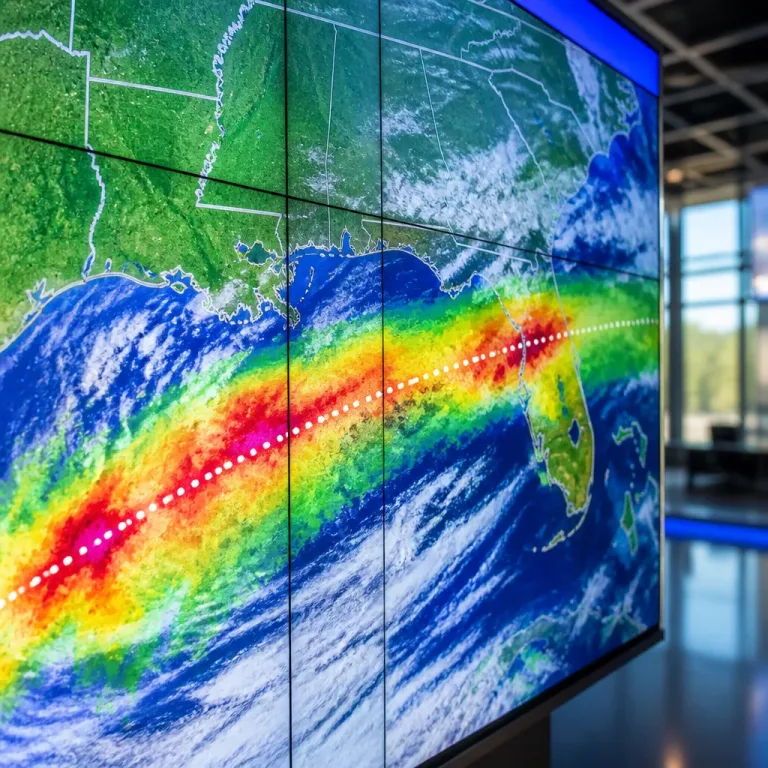
So far in 2026, roughly 25 tornadoes have been recorded across Alberta, a figure well above the typical combined annual total for Alberta and Saskatchewan, which is about 16, the agency said. Fulton compared the season’s severe-weather behaviour to patterns more commonly seen in parts of the American Midwest.
Local impacts and disruptions
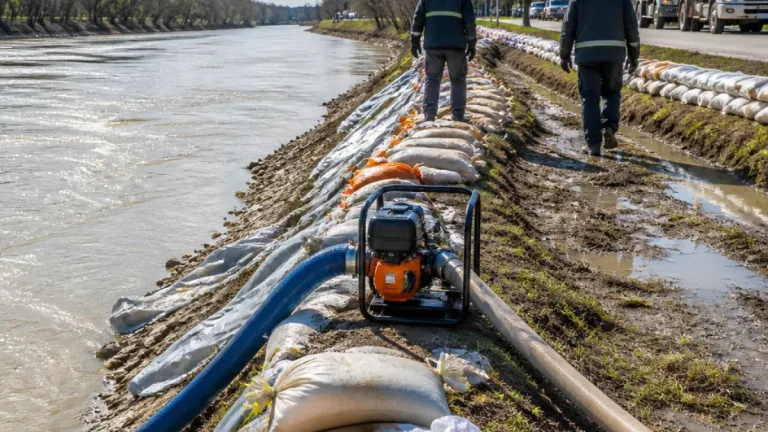
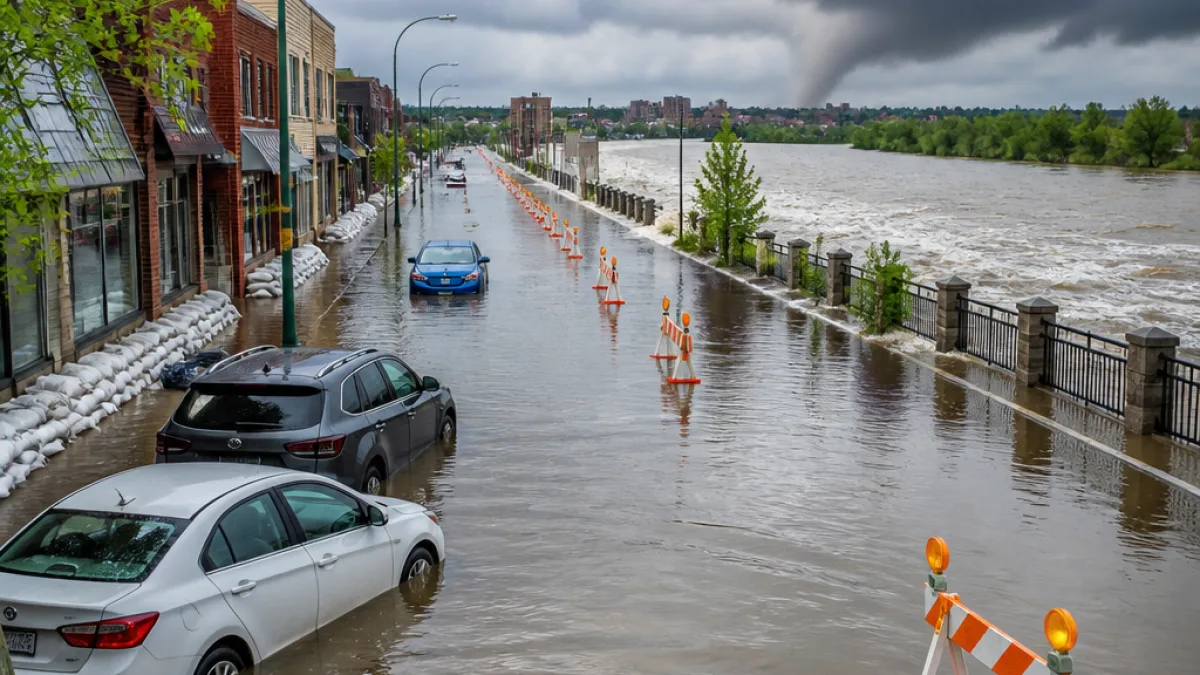
The heavy rainfall has caused localized flooding across Edmonton and elsewhere in the province. City authorities reported streets under water, downed power lines and damage to recreational facilities. Several lanes of the Yellowhead Trail, a major freeway corridor, were closed following an early morning storm.
- Flooded roadways forced temporary closures and stranded motorists in some neighbourhoods.
- Power infrastructure was damaged in multiple locations during intense downpours.
- Telus World of Science Edmonton announced a closure after rain flooded areas of the building; the institution described a planning estimate for reopening in November while exploring options for a partial return earlier in the fall.
Personal accounts emerged from motorists who abandoned vehicles in rising water during sudden downpours; one resident noted purchasing rubber boots for the first time this year after encountering knee-deep water on a local street.
Numbers at a glance
| Metric | Value |
|---|---|
| June rainfall (Edmonton, 2026) | 264 mm |
| Previous June record (Edmonton, 1914) | 216 mm |
| June–July total so far (2026) | ~360 mm |
| Historic summer record (Edmonton, 1953) | 417 mm |
| Reported tornadoes in Alberta (2026) | ~25 |
What residents should know
City officials and provincial emergency managers typically advise people to avoid driving through flooded roadways, heed local closures and follow updates from municipal services. Power outages and service interruptions can follow intense storms; residents should be prepared with basic emergency supplies and monitor utility notices for restoration timelines.
While the immediate focus is on managing flood and storm impacts, the shift from drier recent summers to this wet pattern raises questions for municipal planners and infrastructure managers about stormwater capacity and longer-term adaptation. Environment Canada continues to monitor conditions and update forecasts as the season progresses.