A seasoned forensic scientist is urging audiences to reconsider how they consume the surging wave of true-crime entertainment, warning that routine listening and binge-watching can turn extraordinary suffering into everyday background noise, and push victims’ families to the margins of public attention.
When homicide becomes a bedtime story
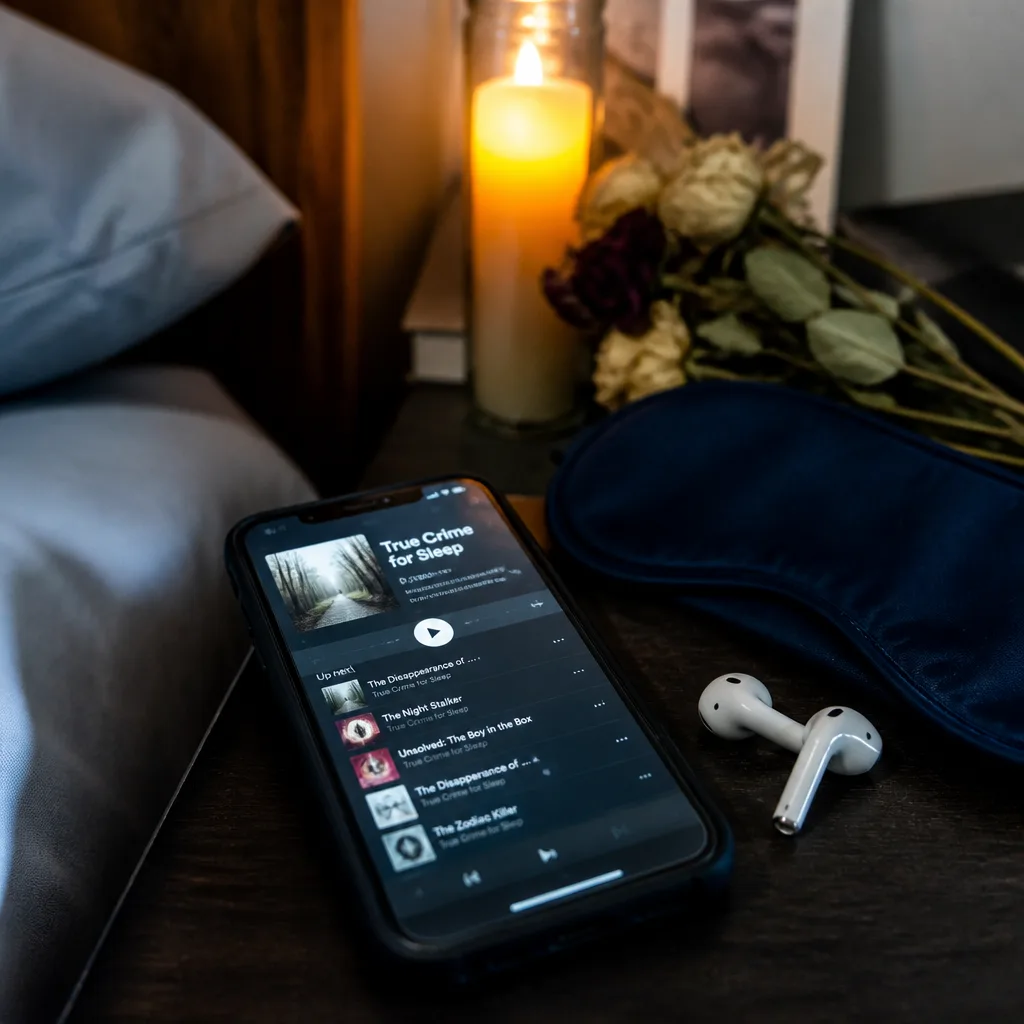
Writing about the culture that has grown around crime narratives, forensic scientist Ruben Miller describes encountering a playlist titled True Crime for Sleep. The idea that homicide stories could be marketed as a calming aid crystallizes his central concern: that crime stories have slipped from the realm of solemn news into a steady stream of consumable content.
“True Crime for Sleep.”
What once would have seemed implausible, he suggests, now feels commonplace. Crime has become another category to queue up, recommend and devour. Viewers compare episodes, swap suggestions, and, in his telling, sometimes speak about deeply traumatic events with the casual shorthand reserved for cliff‑hanger dramas.
“I’m halfway through a murder.” “Don’t tell me who did it”.
From headlines to habits
Miller does not fault curiosity itself. He frames the draw of these stories around basic human questions — what happened, why it happened, whether it could have been avoided, and if it could happen to the viewer. The shift he identifies is subtler and more troubling: as crime stories become fixtures of daily routines, their strangeness recedes. The routine of consumption risks making the extraordinary feel ordinary.
He recounts how recommendation systems quickly amplify interest: watch a single documentary and the platform presumes an appetite for more. In his own experience, one case watch appeared to trigger a steady feed of homicide content, reflecting how algorithms can entrench new viewing habits.
Perspective from the scene
Miller’s unease is grounded in his professional life. After more than two decades attending homicide scenes, he is familiar with the questions that greet someone who has worked so close to violence. People often ask about the most disturbing file, expecting one tableau to stand apart from all the others. That impulse — to rank, compare, and narrativize — mirrors the consumption patterns that worry him.
In his account, the hardest parts of the job were not the tropes people imagine. Instead, he points readers back to those living in the aftermath: the families and communities left to navigate loss long after the cameras and microphones have moved on.
The risk to those left behind
The heart of Miller’s argument is not a call to abandon true-crime media altogether. Rather, it is a reminder that every story is tethered to real lives. When crime content becomes ambient — a soundtrack for commutes, chores or sleep — the people at its centre can blur into the background. He cautions that this normalization does not merely change viewer habits; it can erode sensitivity and attention to the ongoing realities borne by victims’ families.
The essay also underscores how language signals that shift. Casual phrases used to discuss a series finale can slip into conversations about homicides, with the tone of a spoiler warning replacing the gravity of a courtroom verdict or a coroner’s finding. In that slide, the line between narrative and lived experience thins, and the moral weight of the subject can be dulled.
How the medium shapes the message
Miller surveys the different formats through which crime stories circulate — from long‑form documentaries and episodic podcasts to algorithmically curated playlists. Each expands reach and deepens engagement. As platforms refine their recommendations, the boundary between a one‑off curiosity and an ongoing habit narrows, sometimes without the viewer fully noticing.
| Format | Common behaviours noted |
|---|---|
| Documentaries | Queuing and binge‑watching entire series |
| Podcasts | Listening on walks or commutes; recommending episodes |
| Playlists/Streams | Ambient, continuous listening, including for sleep |
Keeping perspective
Miller’s reflection lands on a simple test: remember what makes these narratives unusual. Curiosity can coexist with respect, but only if audiences resist treating homicides like any other serialized arc. His warning is ultimately about focus. The stories do not end when the credits roll, and for those still living them, they were never entertainment to begin with.
- A forensic scientist argues that the ubiquity of true‑crime content risks making real violence feel ordinary.
- He urges audiences to keep victims’ families at the centre of attention, not the convenience of consumption.
- Recommendation algorithms can quickly turn a single watch into a sustained habit, shaping how people engage with crime stories.