
Halifax has recorded a sustained pullback in home values, posting a year-over-year decline of 4 per cent for three consecutive months as newly completed rental developments and weaker demand weigh on prices, according to data cited by Wahi and Real Property Solutions (RPS).
Where prices are shifting
Data from a digital real-estate platform and a property-valuation service point to cooling in multiple regions. The report highlights that markets in the Prairies and the Maritimes are beginning to show the same slowdown that has affected Toronto and Vancouver in recent months — changes linked in part to federal immigration adjustments that have reduced demand from newcomers.
| City/Region | Trend |
|---|---|
| Halifax | -4% year-over-year for three months |
| Edmonton | Price growth slowing (Wahi/RPS data) |
| Regina | Price growth slowing (Wahi/RPS data) |
Supply and demand factors
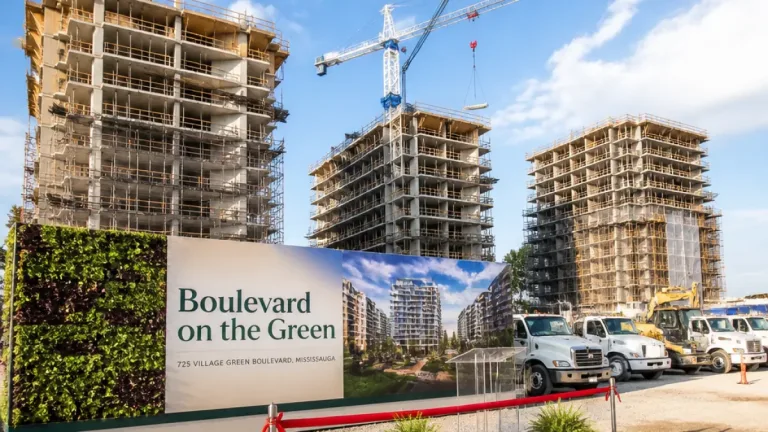
One locally specific factor in Halifax is a sharp increase in purpose-built rental supply. Industry figures cited in the report indicate roughly 13,000 rental units are at some stage of approval or construction in a regional population of just over 500,000. That level of pipeline activity is substantial for the market and is likely to dampen upward pressure on prices as those units come online.
“That’s a lot for our market to absorb,” said Matt Honsberger, broker and owner of Royal LePage Atlantic in Halifax.
Wahi economist Ryan McLaughlin and RPS data were used to identify the trends, though the brief does not publish a full city-by-city breakdown beyond the examples named.
Implications for households and businesses
- Homebuyers: Slower or negative price growth can ease affordability pressures by reducing the pace of price appreciation, but it can also complicate timing decisions for buyers who were counting on continued gains to build equity.
- Renters and developers: A surge in rental completions should increase options for tenants and put downward pressure on rents, while developers face absorption risk if deliveries outpace demand.
- Mortgage market and lenders: Regional softening can affect lending volumes and risk profiles; lenders and brokers will watch employment and migration trends to assess credit stress.
Observers link part of the slowdown to smaller inflows of new residents following federal immigration cuts, a factor previously noted in the Toronto and Vancouver markets. As demand-side drivers moderate, markets that expanded rapidly during the post-pandemic period are now adjusting to higher supply and slower population-driven growth.
For businesses tied to housing activity — builders, renovators, realty firms and mortgage brokers — the shift implies a need to recalibrate sales expectations and absorption timelines. For households, the changes translate into a more complex buying environment: lower competition may improve negotiating power, but weaker price momentum can affect long-term planning for those relying on home equity.
Further details and longer time-series data from Wahi and RPS would be required to quantify the breadth and depth of the slowdown across other markets and property segments.