Lightning turns quiet season volatile in a matter of days
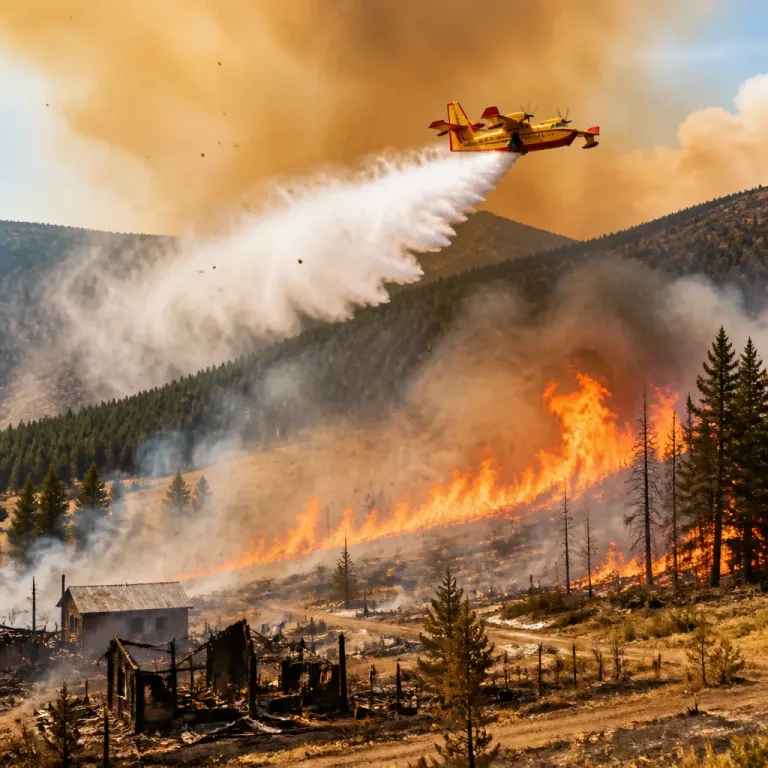
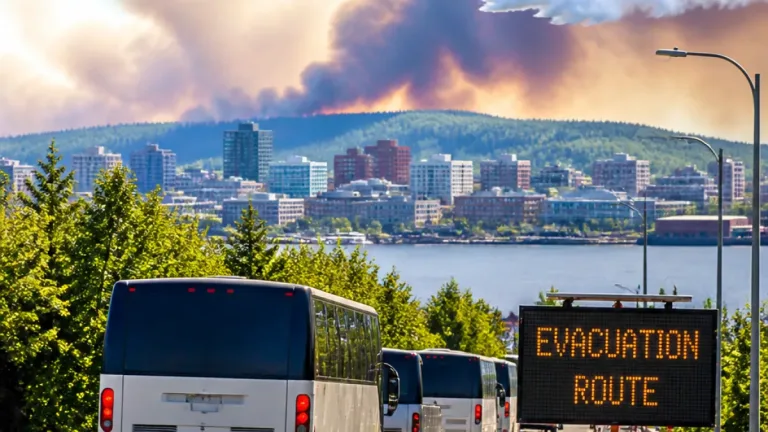
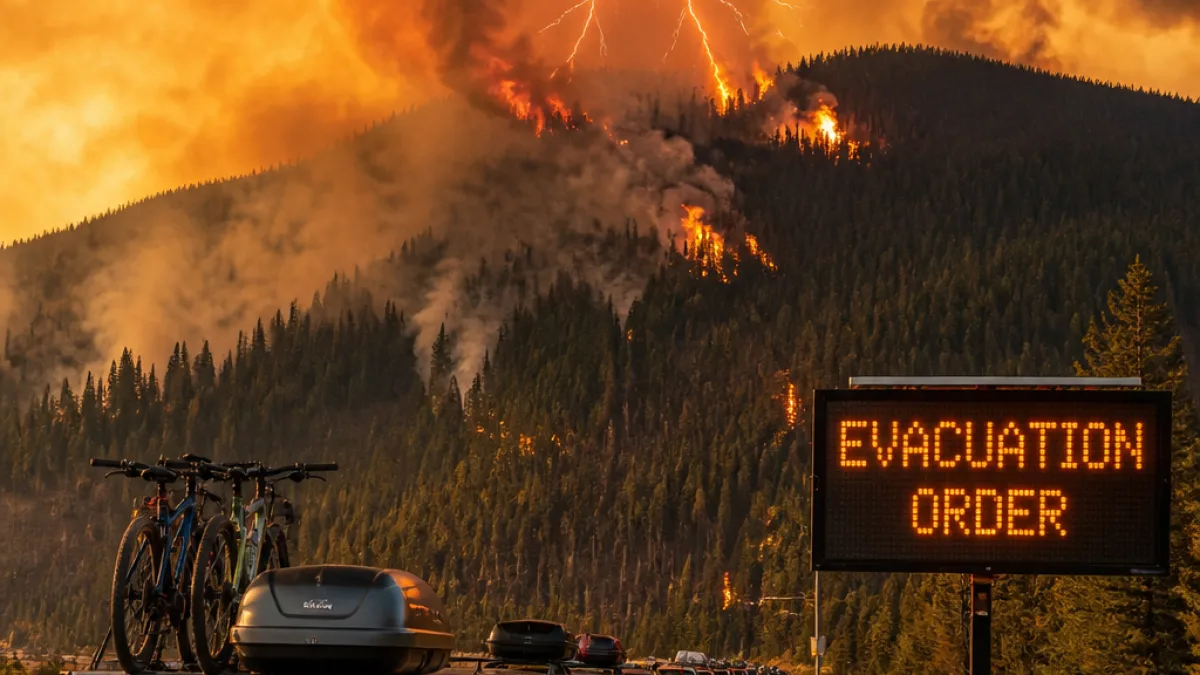
British Columbia’s wildfire season shifted abruptly this week as a burst of thunderstorms delivered roughly 4,000 lightning strikes, pushing the province’s tally of active fires past 100 and prompting a wave of evacuation orders and alerts concentrated in the southern Interior. By Saturday afternoon, the BC Wildfire Service reported about 114 active fires, up dramatically from approximately 20 on Wednesday morning. Officials said about two-thirds of the active wildfires were classified as out of control.
Near Pemberton, the Signal Hill Wildfire was burning roughly a kilometre from a local bed-and-breakfast on Saturday, according to residents who spent the day watching wind shifts and smoke columns. The Village of Pemberton said cooler temperatures, higher humidity and lighter winds helped temper fire behaviour, but warned of a warming and drying trend continuing into next week.
Orders and alerts expand as residents brace
An area south of Pemberton was placed under an evacuation order, with surrounding areas on alert. Local operator Margit de Haan described a wait-and-watch day in a community of about 3,600 residents, where travel plans and business bookings were shadowed by the proximity of the blaze.
“I’m the last one who can leave the ship,” she said. “I’m captain of my place and unless all my guests are out of the house, I wouldn’t be leaving, and even if they were out, I would probably still not be leaving.”
Along the Fraser Canyon, authorities ordered the evacuation of Boston Bar on Thursday as two large fires — the Brunswick Creek blaze at about 40 square kilometres and the Ainslie Creek fire at roughly 160 square kilometres — burned nearby. Some residents chose to remain and tend to property and animals despite the order.
Where the pressure is greatest
The bulk of new starts, as well as evacuation orders and alerts, were concentrated in the southern Interior, where dry fuels and topography can accelerate fire growth after lightning ignitions. The BC Wildfire Service said most of the latest blazes were linked to the mid-week storm system that raked the province with cloud-to-ground strikes.
| Timeline | Active fires | New starts (approx.) | Notable factors |
|---|---|---|---|
| Wed. morning | ~20 | — | Relatively quiet season to date |
| Wed. (storm) | — | — | ~4,000 lightning strikes reported |
| Sat. afternoon | ~114 | ~72 within previous day | About 2/3 out of control; trend warming/drying |
Communities adapt as conditions fluctuate
Officials in Pemberton credited a short-lived pocket of cooler, more humid air and lighter winds for easing fire activity on Saturday, while cautioning that the reprieve may be brief. Forecasts point to a renewed drying pattern into next week, heightening concern for holdover lightning strikes and spot fires. The BC Wildfire Service similarly advised that additional lightning is possible, with a corresponding risk of new ignitions in coming days.
Residents in affected areas reported packing vehicles and preparing pets, livestock and essential documents in case alerts escalated to orders. Tourism operators in the Sea to Sky corridor weighed the prospect of evacuations against peak-season bookings, while rural communities in the Fraser Canyon navigated power, transportation and animal-care contingencies amid smoky conditions.
Staying informed as the situation evolves
- Local governments have issued evacuation orders and alerts in multiple areas, including south of Pemberton and in Boston Bar.
- Updates from the Village of Pemberton cited short-term improvements in fire behaviour, with a warning that heat and low humidity are expected to return.
- The BC Wildfire Service has highlighted the potential for more lightning and additional fire starts in the near term.
As of Saturday, communities across the southern Interior were navigating changing conditions hour by hour, with emergency managers urging vigilance and readiness as lightning-caused fires continue to surface and expand.