Local research helped prompt provincial reconsideration
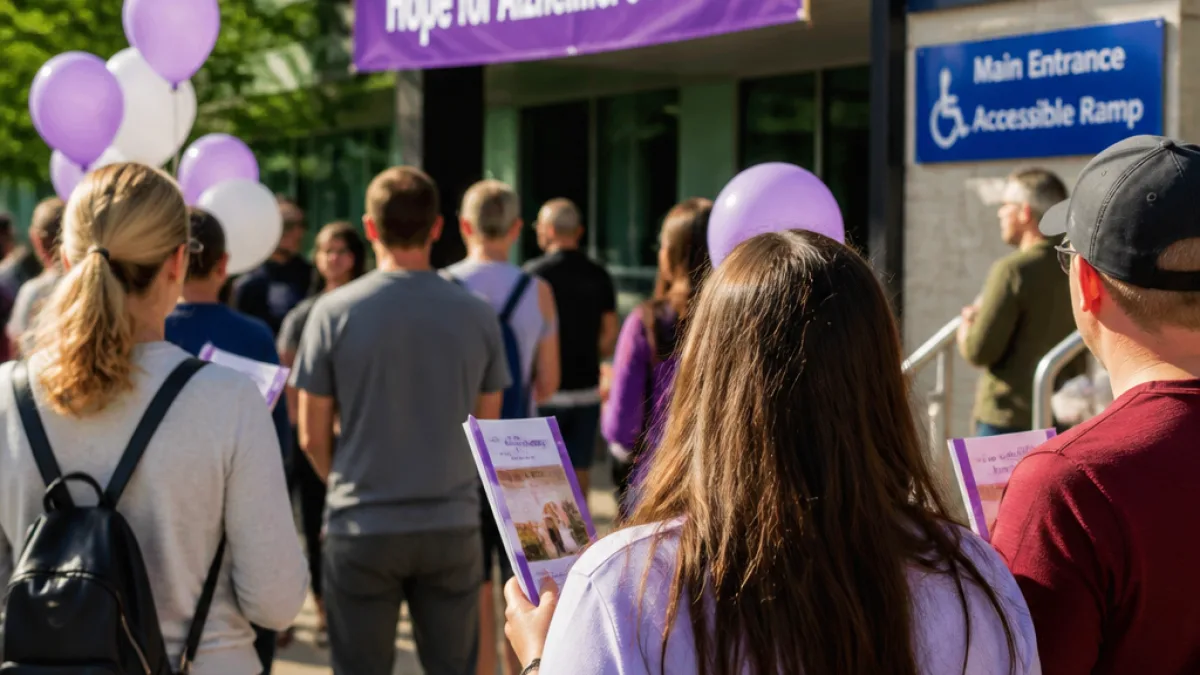
London clinicians and families gathered this week to mark what they described as a significant step after a provincial decision on funding the Alzheimer’s drug lecanemab was reversed. The development was discussed at Parkwood Institute on July 16, where Dr. Michael Borrie, a London geriatrician who helped lead Canadian clinical trials of the drug, spoke with patients and families.
- What changed: An earlier rejection of provincial funding for the drug was overturned.
- Local role: London-based research and advocacy by patients and families contributed to the reversal.
- Timing for coverage: Ontario coverage could still be up to 18 months away, according to reporting.
"London researchers and patients helped overturn an earlier rejection"
What this means for patients in London
The reversal removes one barrier to access, but it does not equate to immediate, publicly funded availability in the province. Individuals and families in London who are considering treatment will still face uncertainty about when, or whether, the drug will be covered by Ontario’s drug programs. Clinicians in the city who participated in trials may be involved in continued research or in advising patients about next steps during the interim period.
Next steps and timelines
Provincial processes for drug coverage typically include further reviews, negotiations on pricing and program implementation; these steps account for the possible delay of up to 18 months reported in coverage timelines. In the meantime, patients and families may continue to seek information from treating physicians at local centres such as Parkwood Institute and other memory-care providers in the region.
| Item | Detail |
|---|---|
| Local event | Parkwood Institute, July 16 |
| Key local figure | Dr. Michael Borrie, London geriatrician |
| Potential wait for Ontario coverage | Up to 18 months |
Residents seeking clarity about timelines and eligibility should consult their health-care providers. Provincial officials and drug-review bodies will outline next steps as discussions progress; until then, the reversal represents a procedural and symbolic win for those who lobbied for re-evaluation but stops short of immediate public funding.