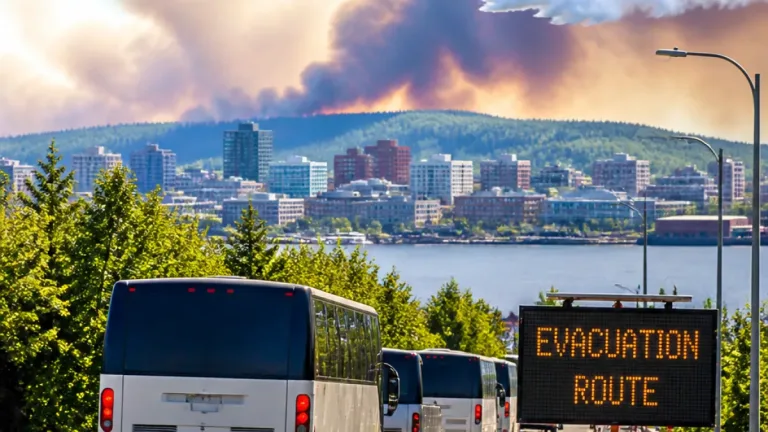
Fire size refined; evacuation remains in place
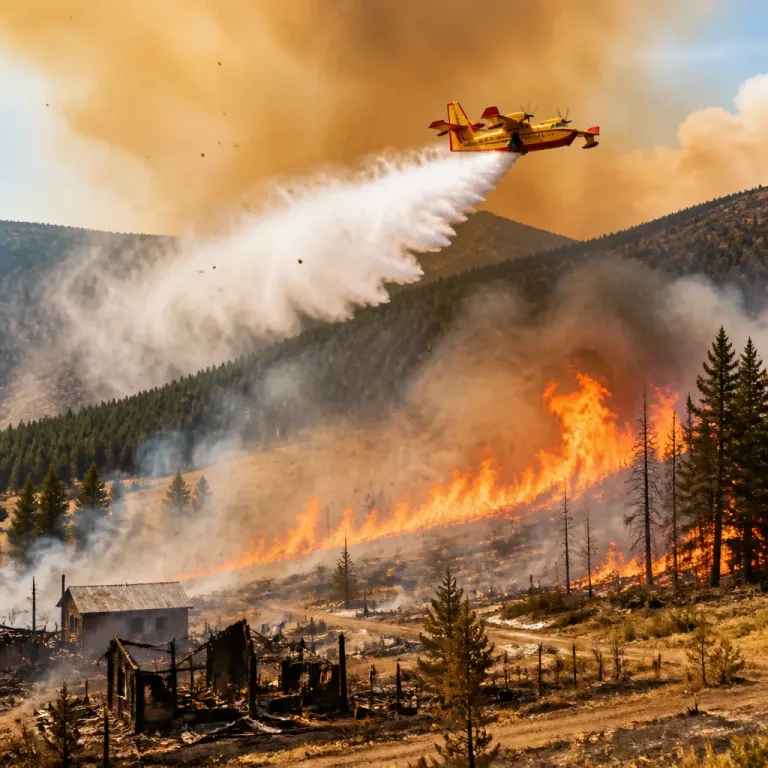
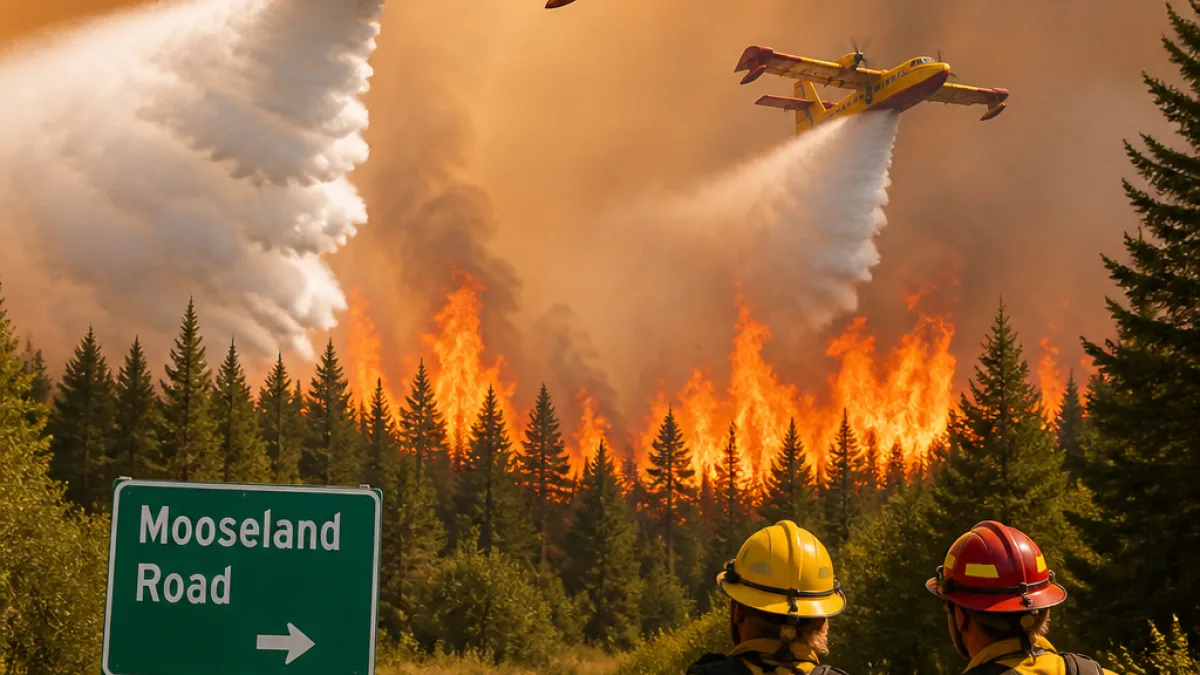
Provincial wildfire crews continued to confront an out-of-control blaze along Mooseland Road, roughly 100 kilometres northeast of Halifax, on Saturday as officials refined the burn area to nearly 14 square kilometres. The Province said the change from an earlier estimate of 17 square kilometres reflects more precise mapping that excluded non-burnable features such as lakes and ponds.
Authorities confirmed a mandatory evacuation order issued by Halifax Regional Fire & Emergency remains in effect for a rural section of Mooseland Road, displacing an estimated 100 to 150 residents. Local and provincial teams have been engaged on the fire since Wednesday, and the Province expects to provide another operational update later today.
Air and ground resources surge
Support from across Atlantic Canada is bolstering the response. Two fixed-wing water bombers from Newfoundland and Labrador are working alongside two provincial helicopters and four Nova Scotia fixed-wing aircraft, concentrating on the most active flanks while ground crews secure edges where conditions allow.
| Response element | Details |
|---|---|
| Estimated fire size | ~14 km² (refined mapping) |
| Evacuations | Mooseland Road (rural section), approx. 100–150 people |
| Air assets (NS) | 4 fixed-wing, 2 helicopters |
| Mutual aid | 2 NL water bombers |
| Next update | Provincial briefing expected this afternoon |
Why the size estimate changed
Fire size estimates often shift as teams move from rapid, perimeter-based assessments to detailed mapping. Officials noted the decrease results from excluding water bodies and other unburned features that were initially captured. While the number is lower, the classification remains out of control, signalling that the fire is active and not yet contained on all fronts.
What residents need to know
- Follow evacuation instructions from Halifax Regional Fire & Emergency for the Mooseland Road area.
- Expect visible smoke and aircraft operations throughout the day as water bombing continues.
- Stay tuned for the Province’s afternoon update for any change in orders or advisories.
With multiple aircraft committed, crews are prioritizing life safety and structure protection while building and reinforcing containment lines. The combination of air drops and ground work typically aims to slow fire spread at the head and flanks, then secure the perimeter to enable containment.
Context for a challenging season
Nova Scotia’s wildfire agencies regularly rely on mutual-aid agreements with neighbouring provinces for surge capacity during peak risk periods. The arrival of Newfoundland and Labrador’s water bombers illustrates that system in action. The Province’s current strategy aligns with best practices for large fires in mixed forest and rural settings: concentrate aircraft on rapidly moving sections while ground crews extinguish hot spots and widen guards where terrain and conditions permit.
The evacuation encompasses a sparsely populated stretch of Mooseland Road, but the impact remains significant for affected households. Access restrictions, smoke and the ongoing presence of heavy equipment and aircraft mean residents should prepare for a dynamic situation until officials declare the area safe for re-entry.
What comes next
Operational priorities today include keeping the fire away from homes and key routes, tightening control lines, and taking advantage of any favourable weather windows for aerial suppression. Officials have signalled more information will be shared later in the day, including any adjustment to evacuation zones and the status of containment efforts.
This is a developing story. InfoRadar will provide updates as authorities release new details.