The wide‑ranging downtown renewal in Paris, Ont., known as the Downtown Dig, is entering its second year and some local business owners say the work is already hurting sales and deterring customers.
Scope and timeline
Brant County describes the project as a once‑in‑a‑generation effort to replace ageing underground systems — watermains, sewer lines, stormwater infrastructure and other utilities. Construction began in 2024 and, according to the county, will continue for at least another three years.
| Item | Detail |
|---|---|
| Project name | Downtown Dig |
| Start year | 2024 |
| Expected remaining duration | At least three years |
Business impact
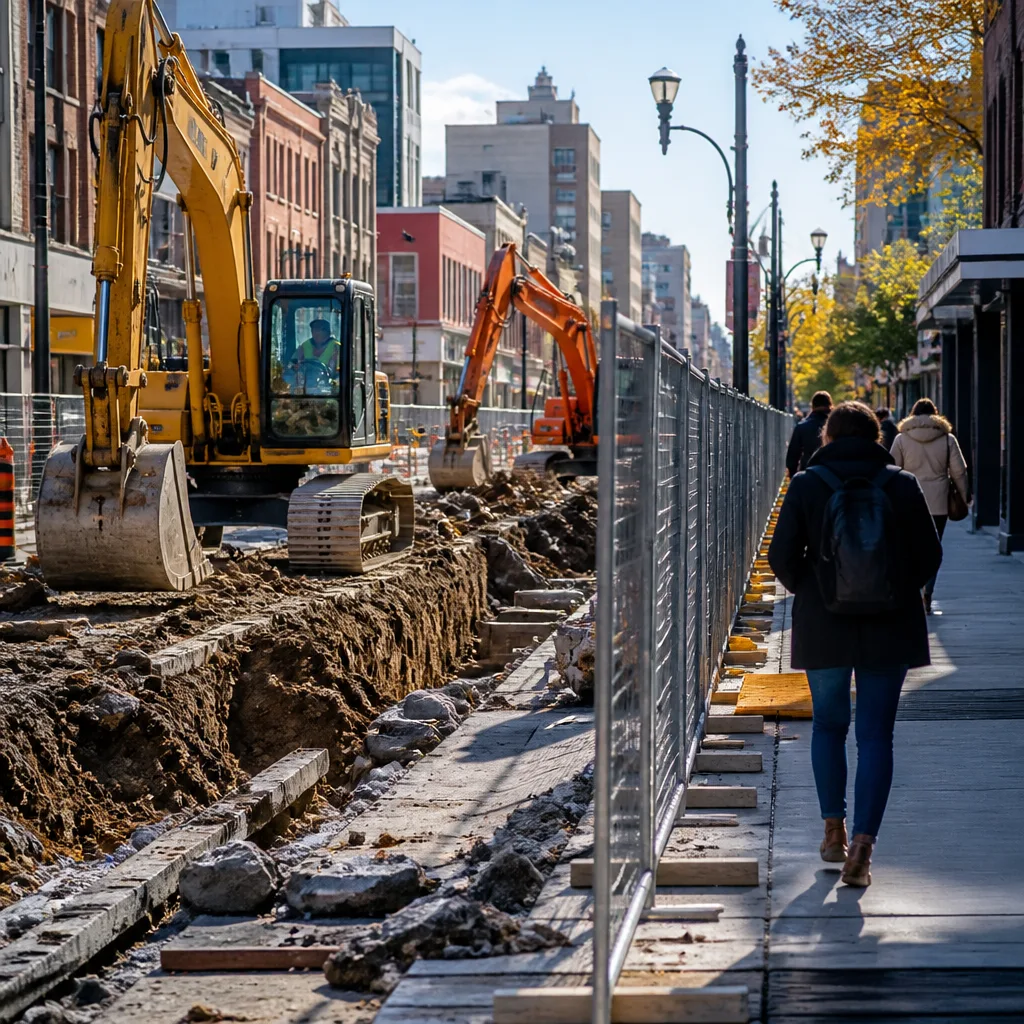
On a recent mid‑week morning, excavators and crews moved through torn pavement on Grand River Street North, the town’s main shopping strip. Tall metal fencing and widened sidewalks are in place to protect pedestrians from the work, but several shop owners report a sharp drop in foot traffic.
"It's like this every day," said a business owner who did not want to be identified, gesturing to a smattering of passersby.
Merchants complain that the combination of heavy equipment, barriers and reduced visibility is discouraging both local shoppers and tourists. For small retail and service firms that rely on steady daily flows, an extended period of reduced customers can lead to revenue losses, staffing challenges and cash‑flow strain.
- Duration risk: With at least three more years of work, businesses face a prolonged period of disruption.
- Foot traffic decline: Construction fencing and machinery are cited as immediate deterrents to shoppers.
- Safety and access costs: Temporary measures to protect pedestrians may come with constraints that affect customer access.
Context and consequences
Municipalities across Canada are undertaking similar deep‑dig projects to replace aging buried infrastructure. While such work can deliver long‑term benefits — reduced water main breaks, modern stormwater systems and better utility capacity — the short‑term costs are often borne by downtown businesses that depend on continuous customer flow.
Locally, the Downtown Dig is being framed as essential maintenance that occurs only every 75 to 100 years, but the trade‑off is a multi‑year period of discomfort for merchants. The source material does not provide figures on compensation, business supports or projected construction budgets, nor does it quote municipal officials on mitigation measures; those would be key details for owners weighing whether to remain open, temporarily relocate or reduce staffing.
For households and consumers, the work could mean altered shopping patterns and temporary limits on services in the downtown core. For business owners, planning for cash‑flow volatility, exploring online and off‑site sales channels, and seeking municipal relief or promotional assistance will be immediate priorities.
As the project proceeds, data on retail revenues, pedestrian counts and any municipal mitigation programs will be necessary to assess the net impact and to inform other communities contemplating similar large‑scale renewals.