Rapid-response gear aims to bolster local fire lines
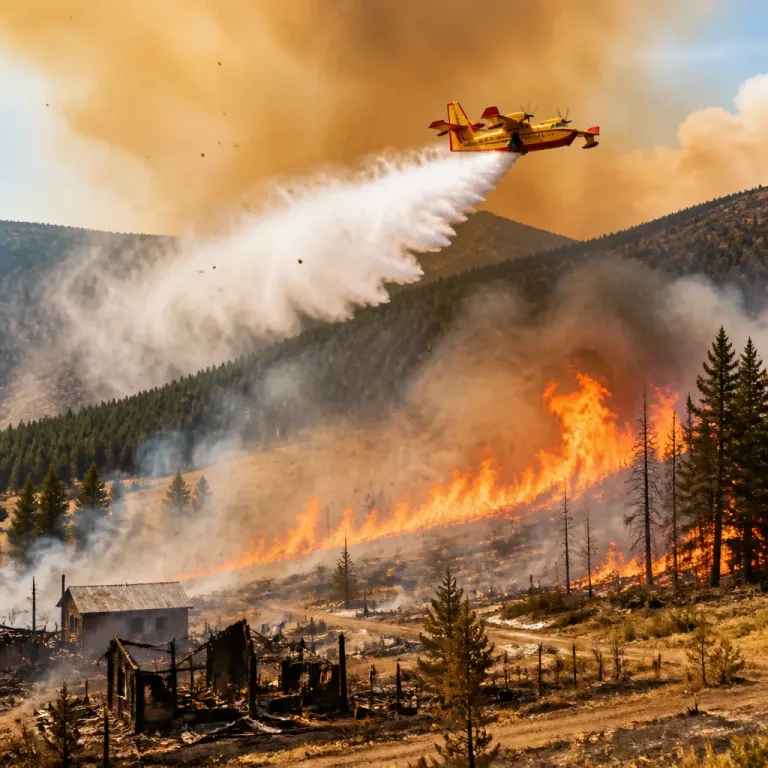
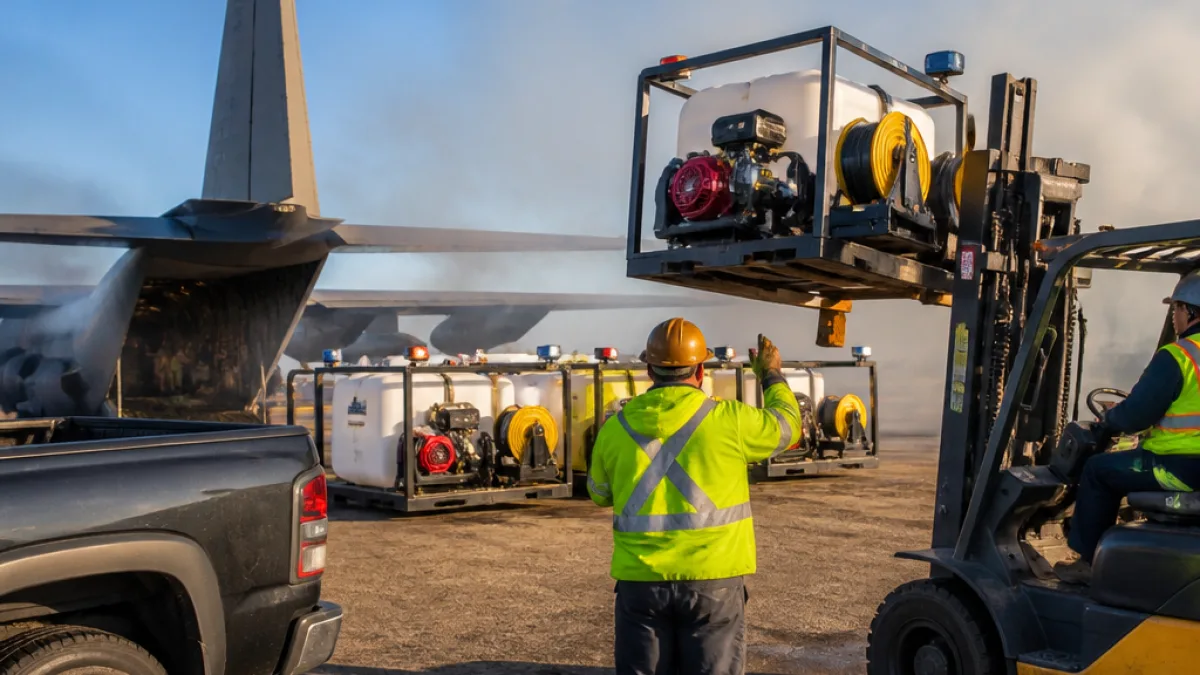
Emergency responders and aid workers are moving compact firefighting units into northern Ontario to shore up community defences as more than 190 wildfires continue to burn across the province. The equipment, known as fire skids, can transform a standard pickup into a mobile pumper, offering a fast way to attack hot spots and protect homes in places where conventional fire trucks can’t reach.
GlobalMedic, a Canadian aid organization, delivered several units to Thunder Bay this week for onward shipment into rural and fly-in communities. The self-contained package includes a 1,000‑litre water reservoir and a shut-off valve, and is designed to fit the bed of a three‑quarter‑tonne pickup. When empty, the rig is light enough for a small team to lift on and off a truck, making it practical for volunteer fire crews and local response teams operating in rough terrain.
“Four adults can lift this when it’s empty, off and on the back of a pickup,” said Kathleen Doherty, GlobalMedic’s rapid response team lead, who described the skids as a way to get water and a pump to places conventional engines can’t go.
Targeting hot spots near communities under threat
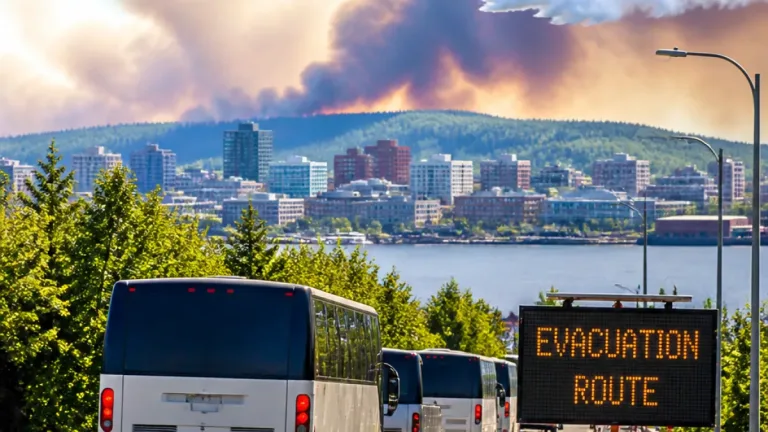
Many of the fires in Ontario are burning in remote, hard-to-access areas. Some communities have already moved residents out, while others are on standby should conditions deteriorate. In northwestern Ontario, authorities report 10 communities have been evacuated so far, with additional communities preparing contingency plans. GlobalMedic says the skids are being flown into affected regions and pre-positioned to backstop local efforts to hold fire lines and prevent structure loss.
“These are quite useful for volunteer or rural fire departments that don’t have access to complicated equipment like fire trucks,” Doherty said, noting the units help keep encroaching fires at bay and give residents a better chance to return to intact homes and infrastructure.
According to the organization, some deployments are focused on protecting critical infrastructure and extinguishing lingering embers that can reignite. Doherty added that many community members want to remain close to their homes if it’s safe to do so, and the skids offer a practical tool to support those efforts under local direction.
All-hands response amid ongoing evacuations
Late Saturday, Prime Minister Mark Carney said Canada is taking an “all-hands-on-deck approach” to the wildfires. While many resources are concentrated in the northwest, officials caution that wind shifts and dry conditions can quickly change local risk profiles. The portable units allow for quicker staging in places with limited road access, where aircraft can deliver gear but conventional engines cannot easily operate.
Local response leaders say the skids are intended to complement, not replace, provincial wildfire crews and municipal fire services. The units provide a way to move water directly to hazard zones and support initial suppression, fire-watch patrols, and mop-up in areas where larger apparatus would struggle.
How the skids fit into community fire plans
- Rapid deployment: Airlifted to remote strips and helipads, then loaded onto local pickups.
- Flexible use: Suited to chasing hot spots, protecting perimeters and safeguarding structures.
- Volunteer-friendly: Designed for communities without full-size engines or complex equipment.
Emergency officials continue to advise residents to monitor municipal notices and evacuation alerts, maintain go-bags with essentials, and follow direction from local authorities. Communities that are not currently evacuated but remain under alert are encouraged to prepare vehicles, medications and documents in case conditions worsen.
At a glance
| Item | Detail |
|---|---|
| Active wildfires in Ontario | 190+ |
| Evacuated communities (NW Ontario) | 10 |
| Fire skid tank capacity | 1,000 litres |
| Vehicle requirement | 3/4‑tonne pickup |
With skies expected to remain hazy in some regions and intermittent fire activity anticipated, the addition of portable skids gives remote communities a measure of protection while evacuation and re‑entry decisions are made. Aid groups say they will continue delivering units as conditions and requests dictate.