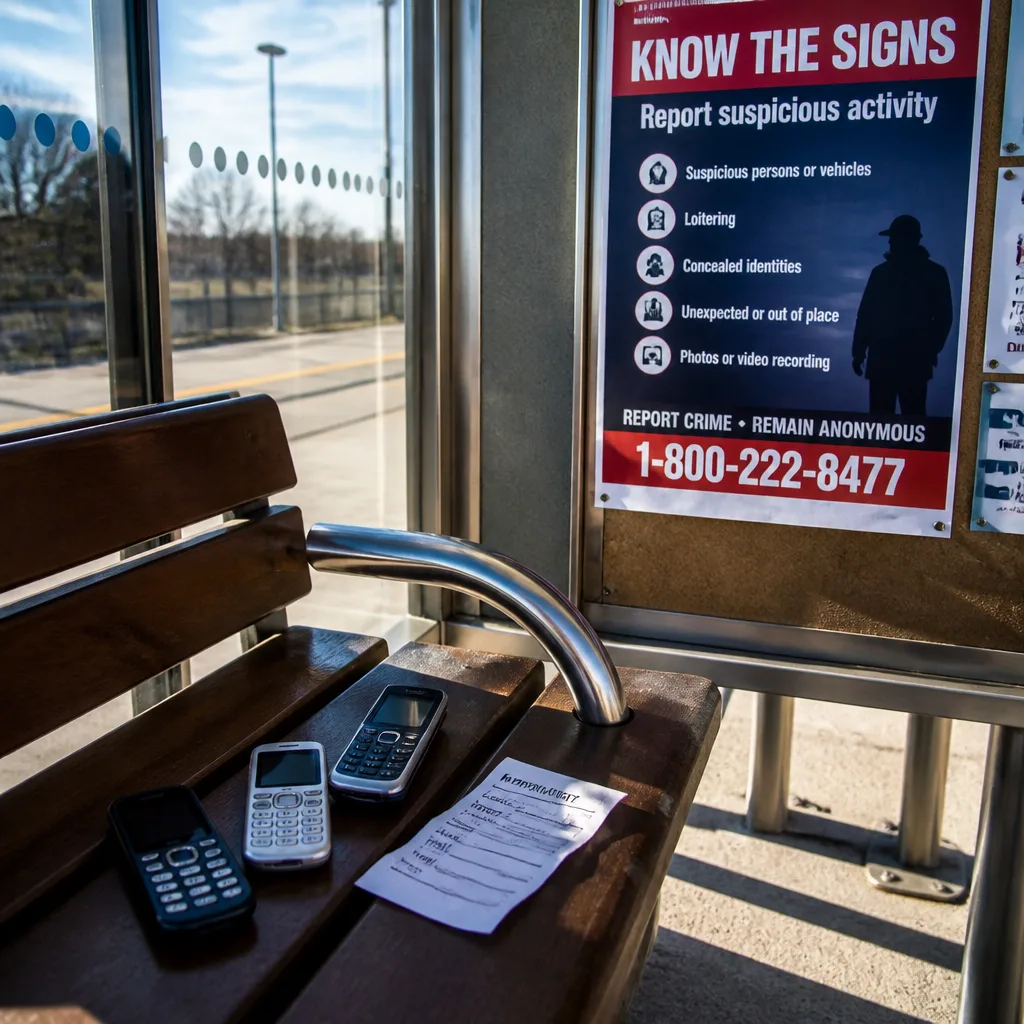
Human trafficking is frequently under-reported and widely misunderstood, authorities say. Police define it as the recruitment, transportation, harbouring or control of individuals for the purpose of forced labour, which can include work in the sex trade. The crime relies on abuse, coercion and manipulation, and is recognized internationally as a modern form of slavery.
Unlike crimes that are immediately visible, trafficking can unfold slowly over time. Subtle shifts in behaviour and circumstances may be the first clues. Understanding these indicators can help families, peers and front-line workers identify risk earlier and connect people to safety.
Behavioural and situational flags to watch for
Potential signs rarely appear in isolation. A pattern of changes — in routine, relationships or health — may suggest a person is being controlled. The following indicators have been identified by police and Crime Stoppers:
- School or work patterns shift: more missed classes, frequent bathroom breaks, returning from lunch still hungry, falling grades, and withdrawal from clubs or social circles.
- New markings or symbols: tattoos that mirror a romantic partner’s name, gang insignia, colours or other branding-type designs.
- Social circle changes: a sudden new group of friends; being labelled “promiscuous” by adults at school or work and experiencing shaming from peers.
- Substance use: emerging or escalating use of drugs and/or alcohol.
- Appearance and possessions: noticeable shift in attire; costly clothing, new hairstyles or frequent manicures without a clear source of income.
- Communication patterns: carries multiple phones; uses blocked numbers; keeps taxi or ride-hail contacts stored.
- Body language and mood: avoids eye contact; appears fearful, anxious, depressed, submissive, tense, nervous or paranoid; experiences extreme mood swings.
- Response to authority: unusually afraid of police or other authority figures, or highly anxious around them.
- Protective behaviour: becomes overly protective of siblings or loved ones, potentially masking their own situation.
- Health concerns: limited access to health care, signs of malnourishment, and visible physical injuries or other indications of abuse.
Who faces greater risk
While anyone can be targeted, some communities face disproportionate risk due to systemic factors. Those identified as more vulnerable include young women and girls, Indigenous women and girls, Black women and girls, and 2SLGBTQ+ youth. The underlying driver named by advocates and police is inequity, which can be exploited by traffickers to isolate, control and intimidate victims.
Why the crime remains hidden
Trafficking often involves a gradual process — grooming, dependency and isolation — that can mask coercion as consent. Because the signs may appear as typical adolescent or workplace struggles, they can be missed. Survivors may also fear repercussions, feel shame or distrust institutions, all of which contribute to the low visibility of the crime and make community awareness critical.
How to share a tip safely
Members of the public who see warning signs or have information can contact Crime Stoppers anonymously. Tips can be directed to 1-800-222-8477 (TIPS). Sharing details — what was seen, when, and where — can help authorities assess risk and coordinate support while protecting the identity of the person reporting.
| Resource | Contact |
|---|---|
| Crime Stoppers (anonymous tips) | 1-800-222-8477 (TIPS) |
Community vigilance can interrupt the control traffickers exert through threats, manipulation and dependence. Recognizing the indicators above and acting on concerns by calling the number provided may connect a person to safety sooner, while respecting their dignity and the presumption of innocence for anyone accused until facts are established.