Russian opposition politician Boris Nadezhdin says he is withdrawing from public political life, arguing that a cascade of legal and administrative actions by authorities has left him no lawful path to compete ahead of September’s State Duma elections.
The 63-year-old, who campaigned on a pro‑peace platform during his thwarted 2024 presidential bid, announced on Sunday that he would end his efforts to qualify as an independent candidate. His statement followed a series of measures in recent days: a brief detention, a “foreign agent” designation, a sudden travel ban, and a court fine for allegedly displaying symbols deemed extremist under Russian law.
“They are silencing me, forcing me out of politics and making my life increasingly difficult,” Nadezhdin wrote on Telegram. “I no longer have any opportunity to engage in opposition politics legally in Russia. I hope that is only temporary.”
Escalating barriers to the ballot
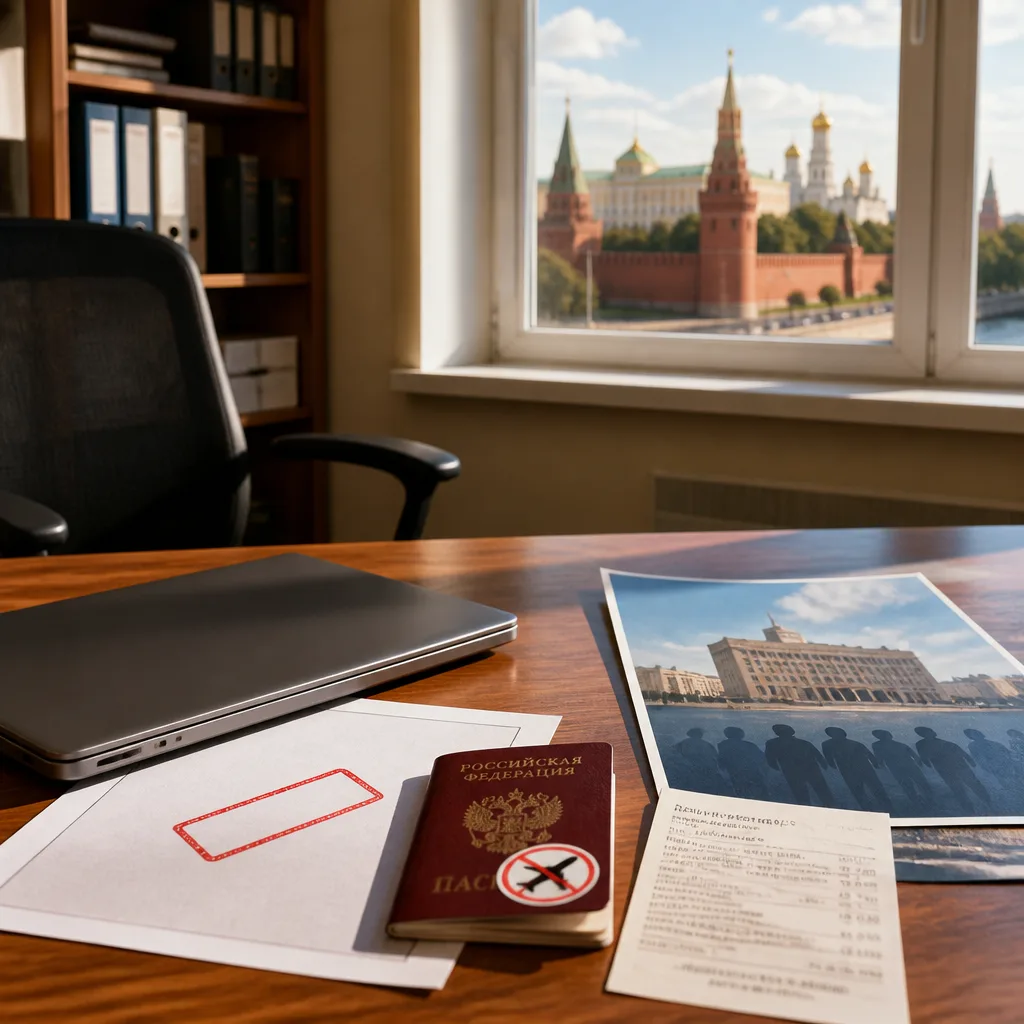
On Friday, a judge in the Moscow region fined Nadezhdin 1,000 rubles (approximately $12.76) for sharing a link that contained the image of the late opposition figure Alexei Navalny, who is on Russia’s official list of terrorists and extremists. A day earlier, Nadezhdin said he had been barred from leaving the country. He linked the travel restriction to the reopening of an older enforcement proceeding tied to a year‑old bankruptcy case.
The “foreign agent” designation restricts funding and imposes labelling requirements and other administrative burdens. In practice, it also obstructs the collection of signatures needed to appear on the ballot, a hurdle Nadezhdin said had become insurmountable. He confirmed his campaign team would not file the signatures already gathered.
Decision framed as protection of supporters
Nadezhdin said pressure had grown not only on him but also on people around him. He cited concerns for his family, campaign staff and volunteers involved in signature gathering. He stressed that, given the risks, he would not ask supporters to continue work on a bid he could not legally sustain.
In a separate post before the fine was issued, Nadezhdin indicated he and his family had considered leaving Russia because of intensifying pressure. He later said he was prohibited from travelling abroad.
Political pedigree and recent prominence
Nadezhdin’s profile rose during the 2024 presidential race, when his call for ending the war in Ukraine drew support across multiple regions. Though ultimately prevented from getting on the ballot, he attracted sizeable lines of supporters during signature‑collection efforts, signalling pockets of public appetite for an alternative voice.
His career spans multiple phases of the post‑Soviet era. He served as a State Duma deputy from 1999 to 2003, advised former prime minister Boris Nemtsov in the late 1990s, and later worked with Sergei Kiriyenko, now a senior figure within the presidential administration. Last month, he declared an independent run for the lower house of parliament.
Implications for Russia’s electoral climate
Nadezhdin’s exit underscores how administrative designations and selective enforcement can shape access to the ballot in Russia. The combination of a “foreign agent” label, criminal and administrative exposure tied to perceived “extremism,” and financial or procedural obstacles effectively narrows the field—particularly for candidates running outside party structures aligned with the Kremlin.
While opposition figures have long faced tight constraints, the sequence of steps against Nadezhdin highlights the legal instruments currently being applied: speech‑related liability, movement restrictions, and the reopening of judicial actions with direct political consequences. Together, these measures limit the ability of independent contenders to campaign, fundraise and organize safely.
What happened this week
| Event | Detail |
|---|---|
| Designation | Labeled a “foreign agent”, blocking lawful signature gathering |
| Detention | Briefly detained ahead of his withdrawal announcement |
| Travel ban | Prohibited from leaving Russia after discussing potential departure |
| Court fine | 1,000 rubles for sharing a link with Navalny’s image |
| Campaign decision | Halts run; will not submit already collected signatures |
Why it matters
- Ballot access: Administrative and legal actions can eliminate independent candidacies before voters see choices on paper.
- Message to dissenters: Penalties linked to “extremism” statutes extend to symbolic acts, chilling speech among activists and supporters.
- Parliamentary context: With the State Duma vote approaching, fewer sanctioned avenues remain for anti‑war or reformist campaigns.
Nadezhdin framed his move as both a personal necessity and a protective measure for his network. He left open the possibility of returning to politics if conditions change. For now, his withdrawal narrows an already constrained space for opposition ahead of the legislative vote, signalling a pre‑election environment in which the cost of dissent remains high and the procedural gateways to participation are increasingly fortified.