Decision clarifies acceptability of modern materials in historic setting
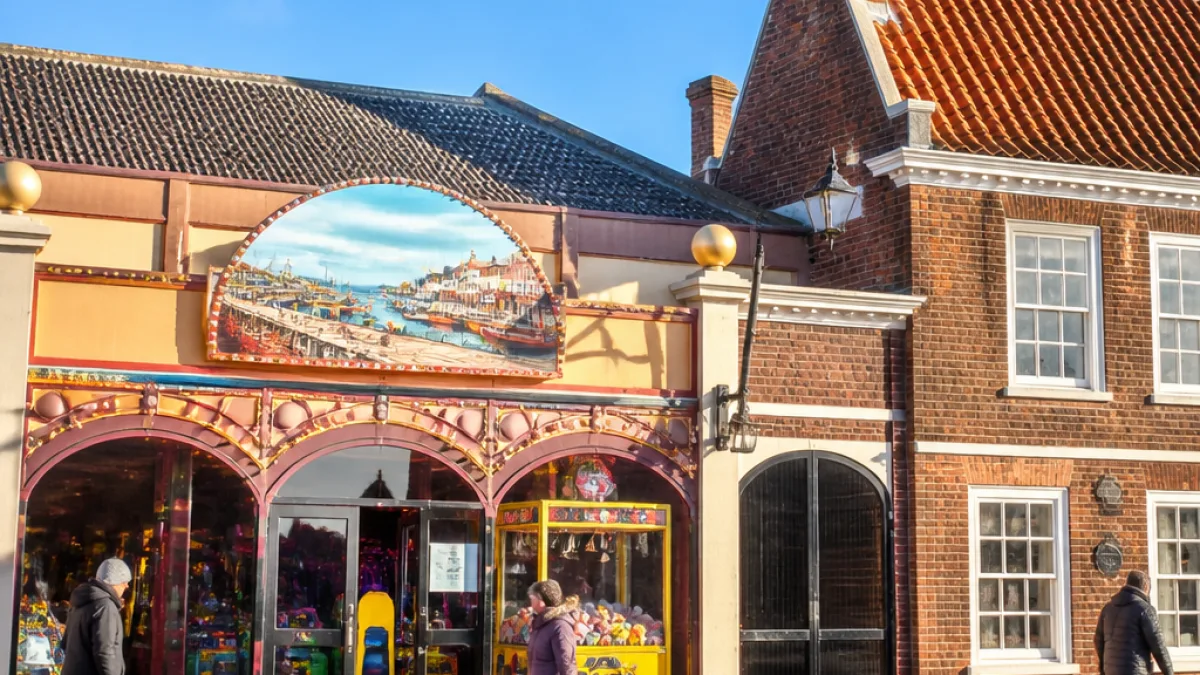
Authorities in Whitby, North Yorkshire, England have approved retrospective planning permission for roof repairs at a prominent waterfront amusement arcade, concluding that modern materials used on the building will not harm the character of the surrounding conservation area. The decision pertains to the owners of Funland and Fun City Amusements at 24 Pier Road, a stretch described as one of the town’s notable historic frontages.
According to planning documents, the application by Mark Miller sought permission after the fact for the removal and replacement of the roof. The council’s heritage officers initially raised concerns that the installation of uPVC tiles departed from the traditional clay pantiles associated with the area’s historic fabric. While the arcade building itself is not listed, planners noted its location next to 23 Pier Road, a Grade II–listed property dating to the 18th century.
Limited street-level views weighed heavily in approval
In their assessment, officers determined that because of the site’s position and the roof’s visibility, views from the street are restricted, reducing the overall visual impact. They found the works would not detract from the appearance of the host property or the wider streetscape.
“On balance, while uPVC would often not be acceptable in the area, its location and limited visual aspect would mean that it has a neutral impact on the conservation area.”
The council further observed there were no historic planning records on file for earlier re-roofing. The heritage statement submitted with the application suggested the old tiles were not original and that the roof had been replaced multiple times over the years, a point the council said it could not verify from its records.
Conservation-area judgement centred on character and setting
Planners emphasized that the application site itself carries limited architectural significance relative to the broader conservation area. Their conclusion rested on whether the choice of materials—though not traditional—would cause tangible harm to the character and appearance of the area. In this case, officers found the visual effect to be neutral and the proposal sympathetic to the building’s form.
They also determined there would be no disproportionate impact on the conservation area or on neighbouring properties. On that basis, North Yorkshire Council granted approval, subject to conditions, on Thursday, July 9.
Key details of the approval
| Element | Details |
|---|---|
| Site | 24 Pier Road, Whitby, North Yorkshire |
| Use | Funland and Fun City Amusements |
| Works | Removal and replacement of roof |
| Material | uPVC tiles (replacing non-original tiles) |
| Heritage setting | Adjacent to 23 Pier Road (Grade II–listed, 18th century) |
| Decision | Approved with conditions |
| Decision date | Thursday, July 9 |
Why this matters in a heritage context
While not directly connected to municipal practices in Whitby, Ontario, the ruling illustrates how planning authorities in a conservation area can accept modern replacement materials where the visual effect is limited and the historic character is preserved. The decision turns on well-established principles: compatibility with the setting, evidence of prior alterations, and the extent of public views. It also reflects how councils weigh a building’s individual significance against the wider streetscape when deciding whether repairs require traditional materials.
- Officers noted the arcade’s roof has limited visibility from street level, a factor that reduced heritage concerns.
- Although traditional clay pantiles are typical, the council accepted uPVC here due to a neutral visual impact.
- The absence of records confirming earlier re-roofing limited verification of past materials, but was not determinative.
This case underscores the granular judgment calls embedded in conservation policy: where authenticity of materials is preferred but is not an absolute requirement, especially for non-listed buildings within historic districts. The approval suggests that, in some circumstances, functional repairs with contemporary products may proceed when they do not undermine the area’s character or harm the setting of nearby listed properties.
What was said in the planning report
Planning officers were explicit that, despite reservations about uPVC in historic areas, the location and sightlines of the roof meant the change would not erode the conservation area’s qualities. They also stated the proposal would not adversely affect the visual amenity of the surrounding area or neighbouring properties.
“The proposal would be sympathetic to the existing building and would not result in a disproportionate impact on the character of the conservation area and neighbouring amenity.”
For Whitby, Ontario readers following planning and heritage issues, the North Yorkshire decision provides a clear example of how conservation goals are balanced with the practicalities of building maintenance in a coastal setting with long-standing commercial uses. The approval is conditional, aligning with common planning practice to ensure details meet policy objectives even when the principal approach is accepted.