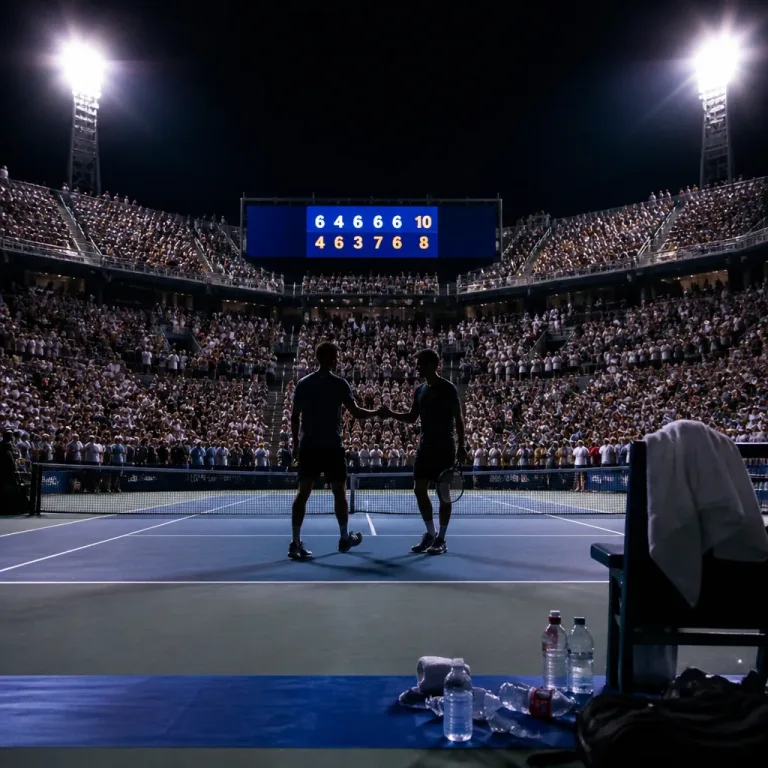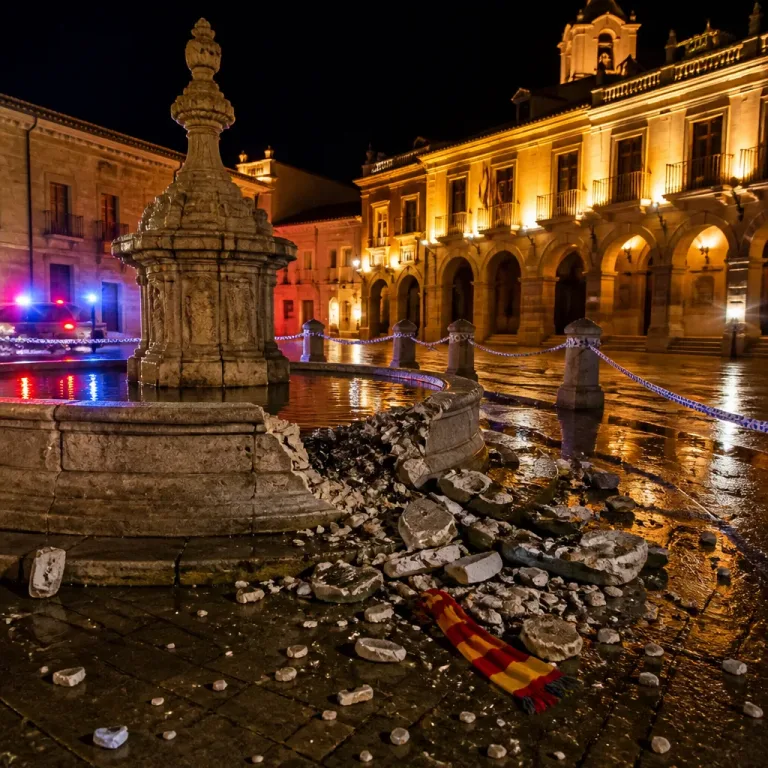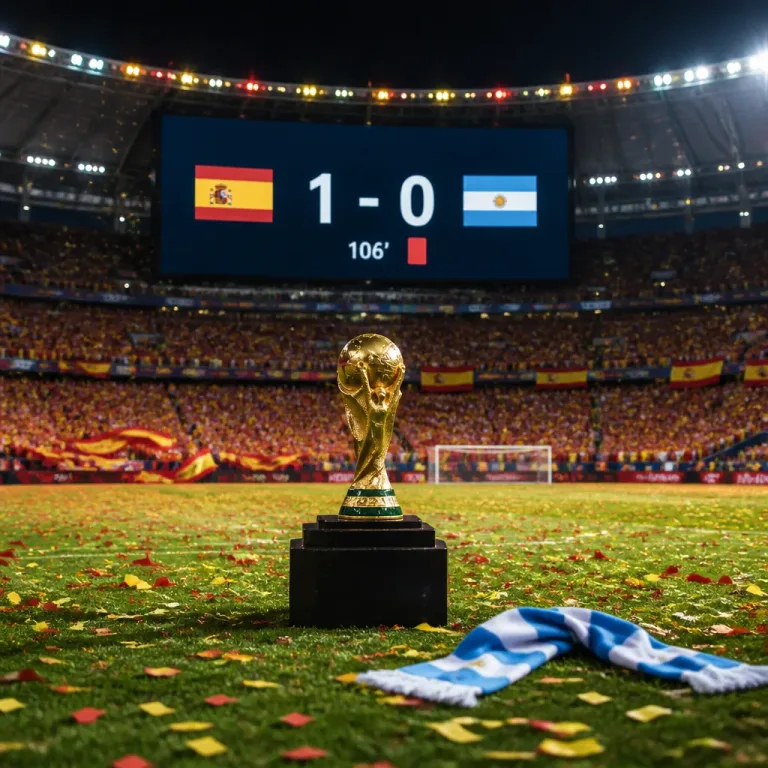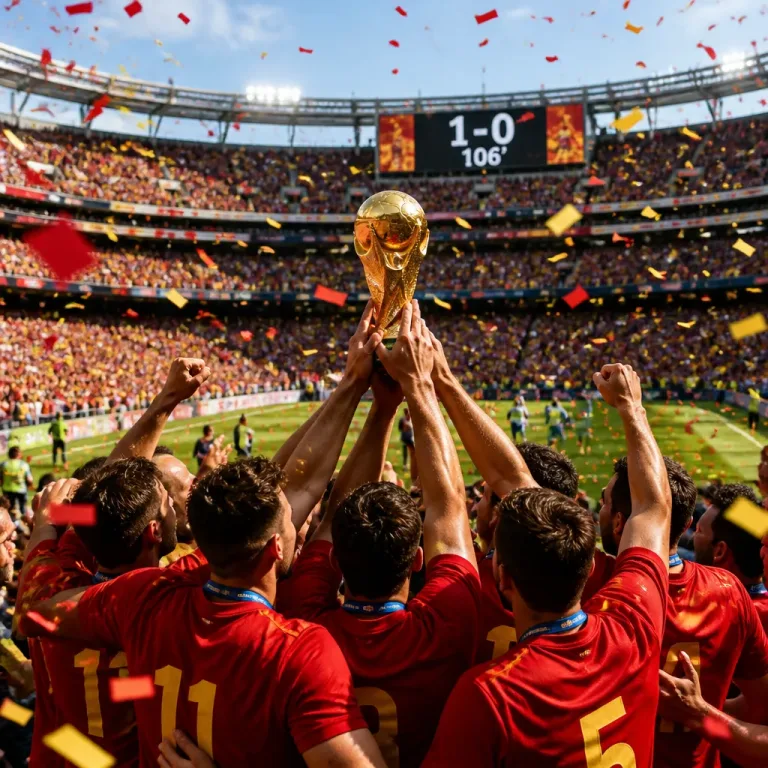
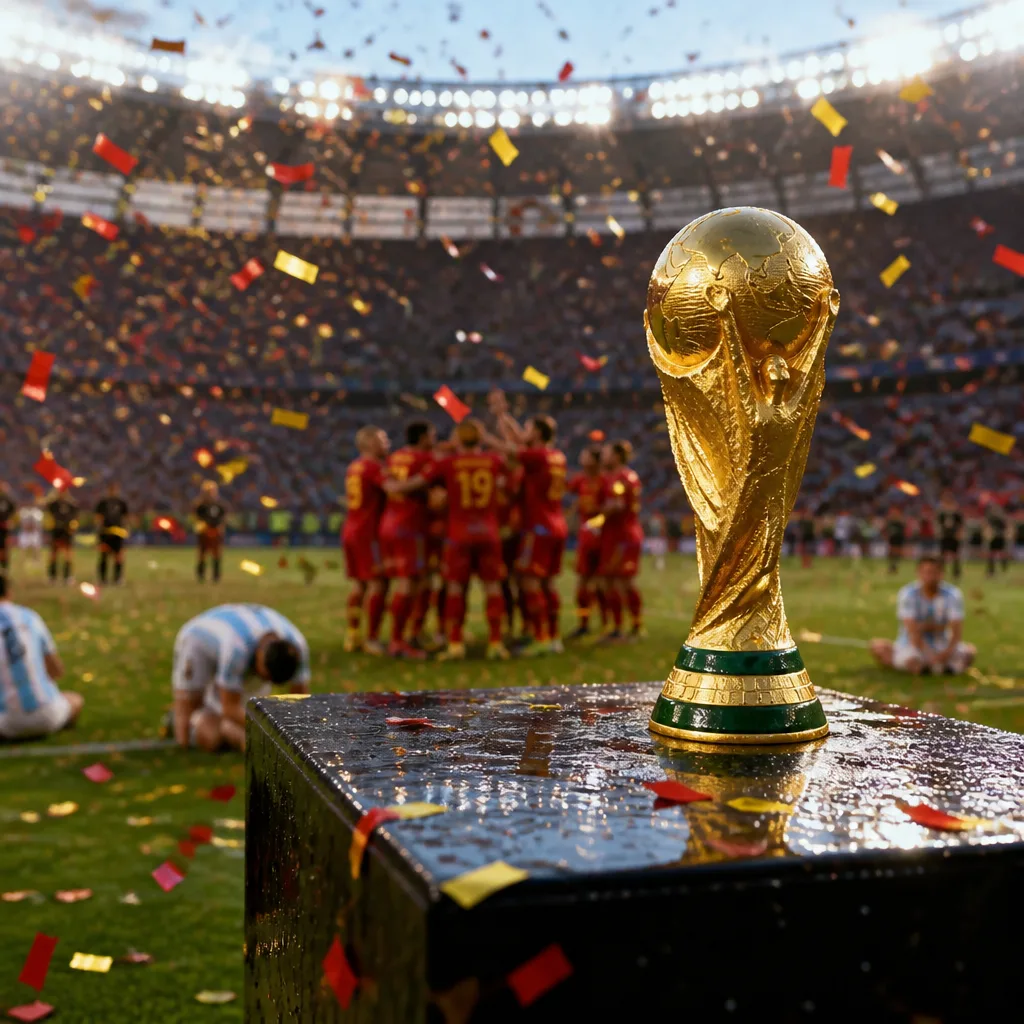
Spain captured its second World Cup on Sunday, breaking down Argentina in extra time to win a tense final in New York and deny the South Americans a chance to repeat as champions. Super-sub Ferran Torres delivered the decisive strike after 90 minutes stalemated a contest defined by Spanish control and Argentine resistance.
How Spain took command
For long stretches, the match recalled the defence-first chess match of the 1994 final. Argentina frustrated Spain’s rhythm and slowed the game to a grind. But the European side’s patience held. With Rodri orchestrating from midfield, Spain kept the ball moving, widened the pitch, and steadily increased pressure until the breakthrough arrived in extra time. Rodri’s consistency over the tournament earned him the Golden Ball as most valuable player.
By the numbers, the gap was clear. Spain produced a wave of attempts while limiting Argentina’s attack to scraps, shackling Lionel Messi and cutting supply lines that usually spring Argentina’s forwards.
| Statistic | Spain | Argentina |
|---|---|---|
| Total shots | 20 | 2 |
| Goals conceded (tournament) | 1 | — |
| Unbeaten run (matches) | 8 (7 wins) | — |
| World Cup titles | 2 | — |
Argentina’s tactical gamble falls short
Argentina set up conservatively, a choice that blunted its vaunted attack and yielded long stretches without the ball. The approach hardened further after Enzo Fernández was sent off in second-half stoppage time, forcing the holders deeper and turning the final into an exercise in survival. Spain’s depth from the bench — and willingness to keep prodding — finally told.
That restraint left Argentina a result away from history. A win would have made it the first team since Brazil in 1958 and 1962 to win back-to-back titles. Instead, Spain’s poise under pressure delivered a different kind of legacy: a tournament marked by control, efficiency and a defence that yielded only a single goal.
What it means — and why Canadians will care
For Canadian fans who followed every turn of this World Cup, the final underscores several trends shaping the sport. Elite midfields now dictate the biggest matches, and flexibility off the bench can break even the most disciplined block. Spain’s run — unbeaten in eight and conceding just one goal — is a blueprint for tournament football: minimize risk, maximize control, and trust structure when nerves are frayed.
It also marks an inflection point in the global balance of power. With Messi contained and Argentina pulled into a purely reactive posture, the match highlighted the limits of star-driven rescue acts against a team committed to collective dominance. For clubs and national programs that Canadians track closely, the lesson is practical: build midfields that can both smother and create, and keep substitutes ready to change tempo late.
The broader picture
This final took place back on American soil, echoing the 1994 showcase that helped redefine football’s reach in North America. Three decades on, the game’s centre of gravity continues to expand, with tactical sophistication and squad depth increasingly deciding championships. Spain’s latest triumph will feed that momentum, offering a template others will chase and a high bar the now-dethroned holders will seek to clear.
- Spain’s control and depth prevailed in extra time after 90 tense minutes.
- Rodri’s tournament-long influence earned him the Golden Ball as MVP.
- Argentina’s conservative setup, compounded by a late red card, muted its attack.