Headaches after lunch? Experts pin down common culprits and easy fixes
If your early afternoon slump comes with a throbbing head, you’re not imagining it. A nutrition expert and an internal medicine physician say those post‑meal headaches often trace back to what—and how—you eat, how much water you drink, and even when you last had coffee. Their advice: a few small, timely changes can keep the rest of your day on track.
Celebrity nutritionist Rujuta Diwekar recently shared practical pointers for getting ahead of the ache. For late lunches, she recommends reaching for a banana when the clock ticks past 1 p.m., followed by a light bite in the late afternoon—think between 4–6 p.m.. She also suggests sipping a sherbet balanced with salt and sugar, taking regular screen breaks to rest your eyes, and avoiding direct sun exposure. As she put it in a playful reminder:
"Always remember that pulpy fruits are your friends. Don’t ghost them."
Blood sugar swings, big meals and missed sips can set off pain
According to Dr. Pooja Pillai, Consultant, Internal Medicine at Aster CMI Hospital, there isn’t a single reason behind these headaches—triggers vary person to person. But there are patterns she sees often. Meals heavy in refined carbohydrates or added sugars can cause a fast rise and fall in blood glucose, which may leave you drained and set off pain behind the eyes or at the temples. Very large portions can also pull more blood flow toward digestion, leaving some people sleepy—and headachy—soon after eating.
Hydration habits matter, too. Even mild dehydration can trigger head pain. So can skipping breakfast, pushing lunch too late, or leaning on excess caffeine—and yes, caffeine withdrawal if you cut back abruptly. Lifestyle pressures stack the deck as well: stress, not enough sleep, hormonal shifts, and long, unbroken stretches of screen time can make you more susceptible.
Know your triggers: some foods are trouble for sensitive people
While not everyone reacts the same way, Dr. Pillai notes a handful of usual suspects that can bring on migraines or headache flares in people who are sensitive to them. If you tend to feel worse after certain meals, keeping an eye on these ingredients could help you connect the dots.
| Trigger category | Examples mentioned by expert |
|---|---|
| Aged or processed items | Aged cheese, processed meats |
| Sweets and stimulants | Chocolate, alcohol |
| Flavour enhancers | Foods containing MSG (monosodium glutamate) |
If you recognize a pattern after eating any of the above, consider how often they appear in your midday routine and discuss options with a health professional if needed.
Build a steadier plate and add small breaks
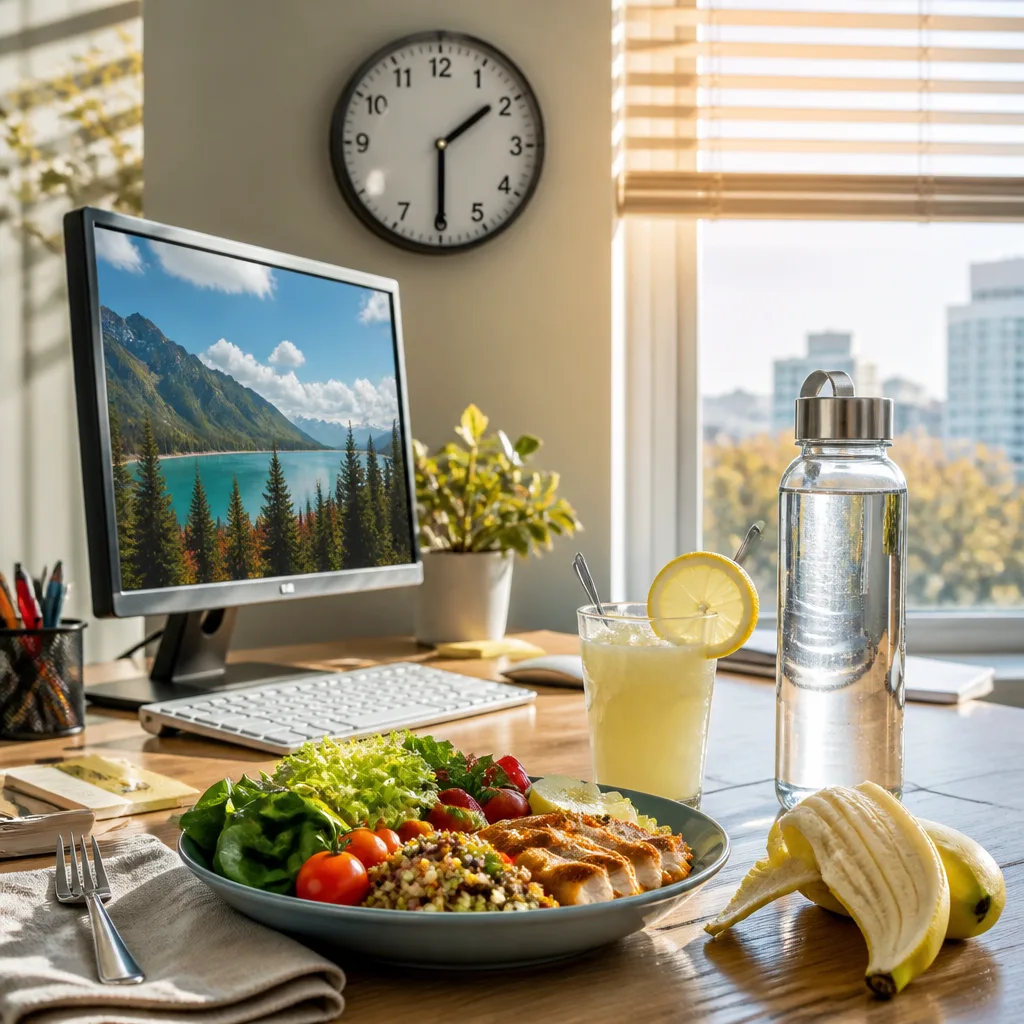
The good news: you don’t need a full menu overhaul to feel better. Dr. Pillai recommends planning a balanced plate with whole grains, vegetables, and fruits, along with healthy fats and a reliable protein source to keep energy more even. Eating at regular times—rather than skipping and then overdoing it—can prevent the crash that follows a sugar spike.
Hydration is a foundation piece. Keep water within arm’s reach through the day, and consider a quick post‑lunch reset: a short walk can aid digestion and clear your head. Screen habits matter here, too—periodically looking away to relax your eyes may help you dodge an afternoon throb, echoing Diwekar’s advice to glance up from your devices. And if you’re eating outside, shading yourself to avoid direct sun adds another layer of protection.
Snack timing and smart sips for the 2 p.m. window
When lunch slips later than planned, Diwekar’s “banana back‑up” around the 1 p.m. mark helps hold you until your meal. Later on, a modest 4–6 p.m. snack can bridge the gap to dinner without tipping you into a portion size that backfires. For a sweet‑salty refresher, her sherbet suggestion—balanced with salt and sugar—may support electrolytes and blood sugar steadiness, particularly in warm weather. And don’t forget her fruit-forward mantra: pulpy picks like oranges or mangoes can be convenient, hydrating add‑ons to your lunchbox.
Make it your routine: small shifts, big payoff
Not every headache shares the same cause, and what helps your colleague might not help you in the same way. But the throughline from both experts is clear: steady eating times, water within reach, modest portions built from whole foods, and mindful breaks can lower the odds of a post‑lunch crash. If headaches persist or intensify, check in with a clinician to rule out other conditions and tailor a plan to your needs.
- Build balanced meals with whole grains, produce, healthy fats and protein.
- Drink water consistently; add a short walk after lunch.
- Note personal triggers such as aged cheeses, processed meats, chocolate, alcohol or foods with MSG.
- Use timing tricks: banana after 1 p.m. if lunch is late; a light snack between 4–6 p.m..
- Take screen breaks and avoid direct sun when possible.
A little planning goes a long way. With a steadier plate, smart sips and a few outdoor and screen habits, your afternoon can feel a lot brighter—no pain relievers required.