A national security columnist is urging Ottawa to recalibrate how it confronts threats tied to Iran, warning that a growing convergence of terrorism and organised crime linked to the Islamic Republic presents a mounting risk to Canadians.
Calls for policy change
The piece contends that Canada's approach to counterterrorism must evolve to address what the author describes as a new reality in which state actors and criminal networks intersect. The commentary highlights historical instances and current diaspora activity to illustrate the stakes and the complexity of the threat environment.
"Canada's approach to counterterrorism must evolve to meet this new reality"
Historical context cited
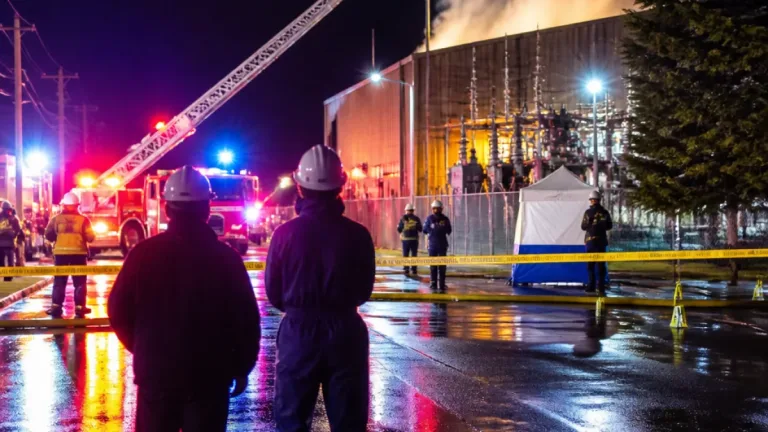
To underscore the potential consequences of state‑linked violent campaigns beyond borders, the column recalls a major overseas attack: on July 18, 1994, a suicide bomber drove an explosives‑laden truck into the Jewish community centre in Buenos Aires — an assault described as the deadliest terror attack in Argentina's history. The explosion killed 85 people and injured hundreds, the commentary notes.
| Event | Date | Fatalities |
|---|---|---|
| Bombing of Jewish community centre, Buenos Aires | July 18, 1994 | 85 |
Contemporary signals
The article also points to visible public demonstrations involving members of the Iranian diaspora as part of the broader backdrop informing threat assessments. A photo accompanying the commentary shows people taking part in a protest against the Iranian government in Montreal, signalling heightened public engagement on Iran‑related issues within Canada.
- Threat mixture: The core contention is that terrorism and organised crime linked to Iran are increasingly intertwined.
- Policy implication: The author urges Canadian authorities to update counterterrorism strategies to reflect that convergence.
- Historical reminder: The Buenos Aires bombing is cited as an example of lethal transnational impact.
The commentary serves as a call to policymakers and law‑enforcement agencies to reassess how Canada identifies, monitors and disrupts networks that may blend criminal enterprise with politically motivated violence. It frames the issue as one requiring both intelligence adaptation and potentially revised legal or operational tools to protect Canadians while respecting civil liberties.
As this is an assessment and policy argument, it does not present new operational findings or specify classified information; rather, it urges public consideration of existing patterns and historical precedent as Canada evaluates its national security posture.
— InfoRadar national desk, Crime & Courts reporting